Last Updated on September 4, 2026
Clinical Review: Aradhana Gambhir — Senior Psychologist and Marriage Counsellor with 25+ years of experience.
Are you confused about whether your boyfriend, girlfriend, husband or wife is being protective or controlling? They may ask you not to wear something, meet a certain person, stay out late or go somewhere alone. When you question them, they say, “I love you,” “I care about you” or “I’m only trying to protect you.”
Sometimes, it really is care. The confusion starts when these demands bother you. When comparing controlling vs protective behaviour, do not judge it from one or two requests alone. Look at whether you still have a choice, whether you can say no and how your partner responds after you explain yourself.
Below, we will look at the difference between protective and controlling behaviour in a relationship, signs that protection may be becoming control and what you can do when your partner’s demands no longer feel like care.
Protective vs Controlling: What Is the Difference in a Relationship?
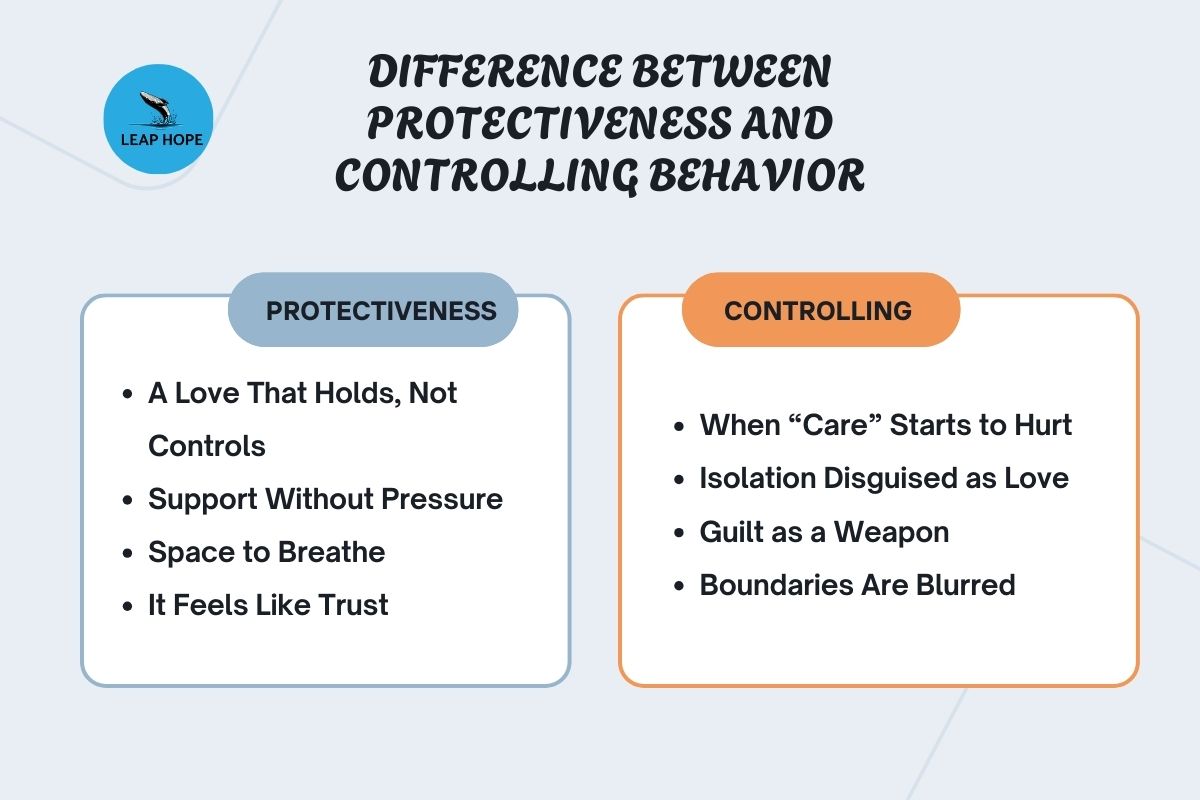
The difference between protective and controlling behaviour is whether your concern still leaves your partner with a choice. Protection offers advice or help. Control uses pressure, guilt, anger or consequences to decide for them.
A protective partner shares what worries them but respects your final decision. An overprotective partner worries too much and may interfere even when you can manage the situation yourself. A possessive partner struggles when other people receive your time or attention.
Controlling behaviour goes further. Your partner expects you to obey and creates problems when you do not. The clearest difference appears after you say no. Protection allows disagreement; control punishes it.
9 Signs Your Partner’s Protection May Be Control
These signs can appear in any relationship. A boyfriend, girlfriend, husband or wife can be protective, overprotective or controlling.
1. Your Explanation Is Never Enough
You explain where you are going, who will be there and when you expect to return. Your partner keeps questioning you, asks for proof or tells you not to go.
The issue is no longer a lack of information. They want you to change your decision.
2. Saying No Leads to Anger or Silent Treatment
You refuse to share a password, change your clothes or cancel a plan. Your partner becomes angry, stops speaking to you or withdraws affection until you give in.
They may not directly order you, but their reaction makes saying no difficult.
3. Ordinary Choices Start Requiring Permission
You begin asking before meeting friends, spending your own money, accepting a work opportunity or staying late with colleagues.
Your partner may call this respect, but you feel unable to make normal day-to-day choices without their approval.
4. Every Situation Is Treated as a Possible Danger
A work dinner, solo trip, party or conversation with someone online is treated as unsafe or inappropriate. Your partner focuses on what could go wrong, even after you explain how you will handle the situation.
Their fear begins deciding what you can do.
5. You Must Keep Proving Your Loyalty
Your partner asks for screenshots, phone passwords, live location or explanations about everyone you follow on social media. A late reply or friendly conversation with a colleague leads to suspicion.
No amount of reassurance seems to settle the issue for long.
6. Their Rules Apply Only to You
They meet friends, stay out late, keep their phone private or talk freely with colleagues. When you do the same, they call it unsafe, disrespectful or disloyal.
Protection should not create freedom for one partner and restrictions for the other.
7. Your Boundaries Are Treated as Rejection
You ask for privacy, time alone or the freedom to handle something yourself. Your partner responds with, “Why do you need privacy from me?” or “You would listen if you loved me.”
Your boundary becomes a test of your love instead of something to discuss.
8. One Concern Becomes Many Restrictions
It begins with concern about one friend, outfit or place. Later, your partner comments on more of your clothes, contacts, plans, spending and online activity.
The original concern keeps expanding until several parts of your life are being managed.
9. You Change Yourself to Avoid Their Reaction
You stop wearing certain clothes, meeting particular people or sharing ordinary plans because you know another argument will follow. You delete harmless messages or stay quiet about work events to avoid being questioned.
You are no longer adjusting willingly. You are arranging your life around your partner’s reaction.

What If the Behaviour Does Not Bother You?
Your friends or colleagues may tell you, “Your partner is controlling, but you cannot see it.” A reel or influencer video list labels sharing your location, changing your clothes or avoiding someone as controlling behaviour. Now you are questioning whether you have been controlled without realising it.
But the internet cannot define your relationship for you. A behaviour that feels restrictive to one person may feel caring, respectful or completely normal to another. People in healthy relationships also make adjustments for each other.
If the behaviour genuinely does not bother you and you are making the choice willingly, no friend, reel or online label gets to decide that you are being controlled.
Why a Controlling Partner May Believe They Are Protecting You?
Some people are controlling by nature, while others believe they are simply being realistic. They may have seen people cheat, lie, break trust or take advantage of someone in a vulnerable situation. Because they care about you and the relationship, they try to prevent anything that they believe could put either at risk.
However, their concern may turn into control when they start making your choices for you. Here are some reasons a controlling partner may genuinely believe they are protecting you:
- They have been cheated on or lied to in the past.
- They have seen someone close to them experience betrayal.
- They worry that others may take advantage of you.
- They believe certain clothes, places or friendships create unnecessary risks.
- They grew up seeing strict rules presented as love and protection.
- They have strong beliefs about loyalty, respect and relationship boundaries.
- They fear losing you or being replaced.
- They struggle to trust people, even when you have done nothing wrong.
- They believe preventing a situation is safer than trusting you to handle it.
- They feel responsible for keeping you and the relationship safe.
These reasons may explain the behaviour, but they do not automatically justify it. Your partner should still listen when you explain your boundaries and allow you to make your own choices.
How to Talk About Behaviour That Feels Controlling
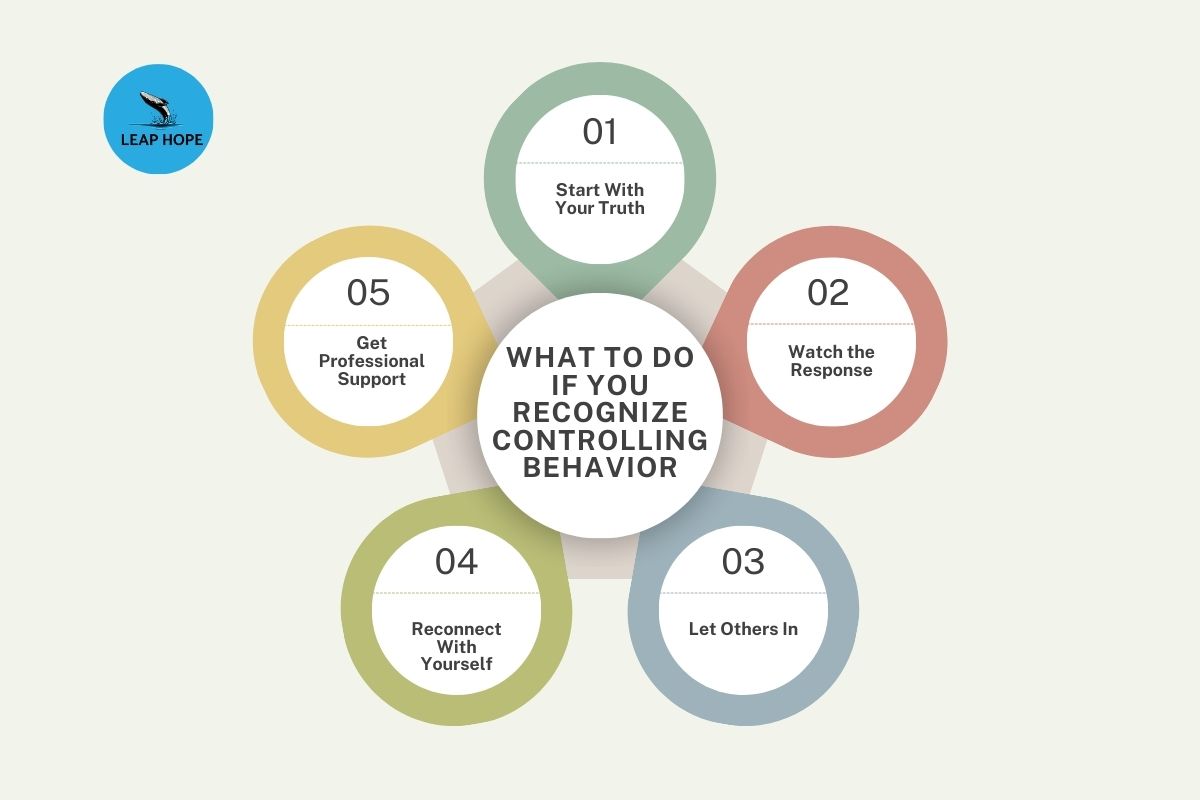
Avoid saying, “You are controlling.” Name the behaviour and explain why it bothers you. Your partner may not realise what feels controlling to you, while you may not fully understand their worry.
- Ask what they are afraid may happen.
- Clear up assumptions and ask them to trust your judgment.
- Agree on boundaries for vulnerable situations and necessary updates.
- Make sure the same expectations apply to both partners.
- State that aggression, disrespect and punishment are unacceptable.
Small disagreements may still happen. Your partner can say, “You didn’t update me last night,” or ask whether you would change an outfit. But after understanding your boundaries, they should not pressure or punish you for making your own choice.
If repeated conversations change nothing, judge the relationship by their actions, not their explanations.
Can a Controlling Partner Change?
A controlling partner can change, but only when they recognise the behaviour and take responsibility for it. Change may involve learning to manage jealousy, insecurity, fear of abandonment or relationship anxiety without restricting your choices.
Real change appears gradually in everyday situations. They listen when you say no, respect agreed boundaries, communicate their worries without aggression and stop using guilt or silent treatment to influence you.
Apologies, gifts or affection after an argument are not evidence of lasting change. Look for consistent behaviour over time. If the same restrictions and punishments keep returning, the controlling pattern has not changed.
When Can Couples Therapy Help?
Couples therapy may help when both partners want to understand and change the pattern. A therapist can help you identify:
- What care, protection and control mean to each of you
- The fears behind repeated demands
- Jealousy, insecurity or attachment patterns
- Double standards within the relationship
- Why discussions repeatedly become arguments
- Why agreed boundaries are not maintained
Through online relationship counselling, both partners can learn to express concerns without pressure and rebuild trust without taking away personal choice.
Couples therapy may not be appropriate when there are threats, stalking, violence, severe financial control or fear of retaliation. Individual support for emotional abuse and safety planning should come first in these situations.
Final Thoughts
The internet cannot decide from one incident whether your partner is protective or controlling. The same behaviour may feel caring to one person and restrictive to another.
Ask yourself whether it bothers you, whether you still have a real choice and how your partner responds after you clearly explain your boundary. Concern can allow disagreement. Control makes you pay a price for it.
FAQs
How Can I Tell if My Partner Is Protective or Controlling?
A protective partner expresses concern but respects your final decision. A controlling partner uses pressure, guilt, anger or punishment when you disagree. The clearest test is whether you can say no without fearing their reaction.
What Does Being Protective Mean in a Relationship?
Being protective means caring about your partner’s safety and well-being without taking away their independence. You may raise a concern, check that they arrived safely or offer help, but you still respect their decision.
What Does Overprotective Mean in a Relationship?
Being overprotective means worrying so much that you interfere with choices your partner can safely make themselves. The intention may be care, but repeated interference can restrict their independence and make ordinary decisions unnecessarily difficult.
Is Sharing My Location With My Partner Controlling?
Sharing your location is not controlling when you choose to do it willingly. It may become controlling when your partner demands constant access, repeatedly monitors you or becomes angry when you stop sharing it.
Is Asking a Partner to Change Their Clothes Controlling?
A respectful request is not automatically controlling. It becomes concerning when your partner pressures, insults, threatens or punishes you for refusing. You should be able to hear their opinion and still make your own choice.
What Is the Difference Between Protective and Possessive?
A protective partner considers your safety while respecting your independence. A possessive partner acts entitled to your time, attention or relationships and may use jealousy to limit who you meet or what you do.
Is Being Protective a Sign of Love?
Protectiveness can come from love, but it does not prove love by itself. Healthy love also requires trust, respect and freedom. Concern stops being loving when it is used to justify pressure, restrictions or punishment.
Can a Controlling Partner Change?
A controlling partner can change if they recognise the behaviour, accept responsibility and consistently respect your boundaries. Judge change through their actions over time, rather than apologies, gifts or temporary improvement after an argument.