Adult trauma and PTSD counselling

Online Trauma and PTSD Counselling for Adults in India

Consult RCI-licensed, psychologists for PTSD, complex trauma, unresolved childhood trauma, abuse, accidents, medical trauma, traumatic loss and relationship trauma. Sessions address flashbacks, avoidance, hypervigilance, emotional numbness, disturbed sleep, fear responses and the continuing effect of trauma on relationships, work and everyday functioning.

RCI-licensed clinical psychologists
Adult trauma, PTSD and complex trauma care
50-minute private video sessions
₹1,799 or ₹2,799 per session
CBT, exposure and body-aware work when appropriate
India and NRI-friendly appointment times
Adult attending online trauma and PTSD counselling with an RCI-licensed psychologist
Structured adult trauma and PTSD care Assessment · stabilisation · psychological therapy · progress review
India and international time zones

Compare qualifications, clinical experience and therapy approaches

Meet Our Psychologists for Adult Trauma and PTSD Counselling

Choose an RCI-registered psychologist based on clinical experience, therapeutic approach, languages and the difficulties affecting you. Private sessions are available for adults in India, NRIs and selected international locations across time zones.

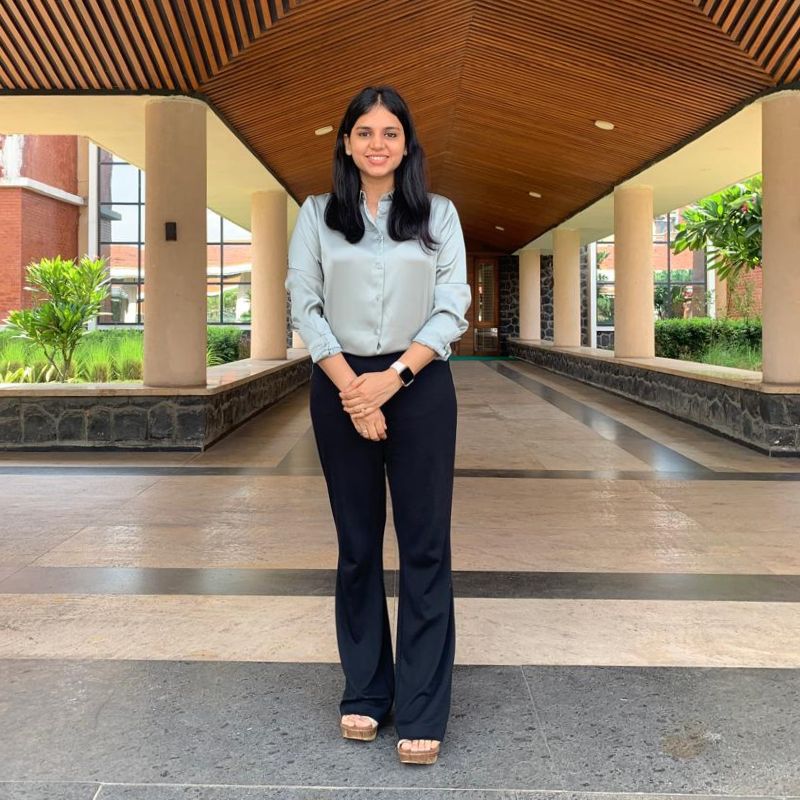
Mrs. Mansi More Nopany, RCI-registered clinical psychologist providing adult trauma and PTSD counselling Available online

Senior Clinical Psychologist

Mrs. Mansi More Nopany

RCI-Registered · 9+ years of clinical experience

Trauma, PTSD & Complex Presentations

PhD Scholar · M.Phil. Clinical Psychology · CBT · DBT · MBCT · Body-Aware Trauma Treatment Training

Languages: Hindi, English

Mansi provides assessment-led psychotherapy for adults experiencing PTSD symptoms, complex or repeated trauma, unresolved past experiences, emotional dysregulation and trauma-related anxiety or low mood. Her work may include clinical formulation, CBT, DBT, MBCT, supportive psychotherapy, insight-oriented work and body-aware principles informed by trauma training from the Sensorimotor Psychotherapy Institute. Sessions are planned around current symptoms, emotional stability, daily functioning and individual treatment needs.

  • PTSD and complex trauma
  • Flashbacks and emotional dysregulation
  • Hyperarousal and body-based trauma responses
  • Clinical assessment and treatment planning
50-minute private session ₹2,799 USD pricing available

Recommended for persistent, repeated or complex trauma symptoms, reduced daily functioning, an existing PTSD diagnosis or concerns occurring alongside anxiety, depression or relationship problems.

Book Appointment
Mohit Yadav, RCI-licensed clinical psychologist providing adult trauma and PTSD therapy Available online

Clinical Psychologist

Mohit Yadav

RCI-Licensed Clinical Psychologist

PTSD, CBT & Exposure Therapy

CBT Certification · Exposure Therapy · Behaviour Therapy · Relaxation Training

Languages: Hindi, English

Mohit has clinical experience managing PTSD, anxiety disorders and behavioural concerns in adults. His work includes case history, mental status examination, CBT case formulation, individual psychotherapy and structured treatment planning. Depending on the client’s symptoms and readiness, sessions may use CBT, Behaviour Therapy, Exposure Therapy, relaxation training, psychoeducation and practical work on avoidance, triggers, fear responses and reduced everyday functioning.

  • PTSD symptoms and trauma triggers
  • Avoidance and trauma-related fear
  • Exposure-based work when appropriate
  • Relaxation, psychoeducation and coping skills
50-minute private session ₹1,799 USD pricing available

Recommended when trauma-related fear, avoidance, hypervigilance, distressing reminders or changes in behaviour are affecting work, relationships, travel, sleep or independence.

Book Appointment
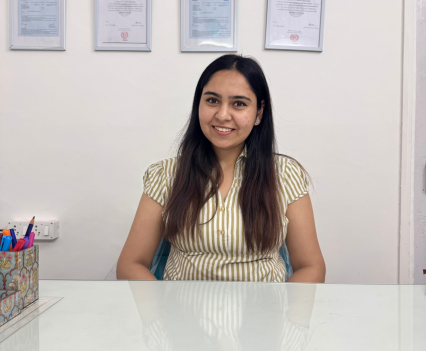
Bipasha Sharma, RCI-registered psychologist providing online counselling for adult trauma-related distress Available online

Counselling and Developmental Psychologist

Bipasha Sharma

RCI-Registered · Professional credentials verified

Trauma-Related Emotional Distress

Cognitive Behavioural Therapy · Behaviour Therapy · Psychological First Aid

Languages: Hindi, English

Bipasha supports adults experiencing trauma-related anxiety, emotional distress, avoidance, low mood and the continuing effects of difficult past experiences. She uses Cognitive Behavioural Therapy, Behaviour Therapy, Psychological First Aid, psychoeducation and structured psychological assessment. Her assessment experience includes anxiety, depression, personality and quality-of-life measures that can help clarify how symptoms are affecting emotional wellbeing and daily functioning.

  • Trauma-related anxiety and distress
  • Avoidance and behavioural patterns
  • Psychological First Aid
  • CBT and structured psychological assessment
50-minute private session ₹1,799 USD pricing available

Recommended when difficult experiences are contributing to anxiety, emotional overwhelm, avoidance, low mood, reduced confidence or disruption in work, relationships and everyday life.

Book Appointment

Adult trauma and PTSD counselling experiences

What Clients Say About Trauma and PTSD Counselling at LeapHope

Adults in India and Indians living abroad share their experiences of understanding trauma responses, managing triggers and working through the effects of difficult experiences on daily life, relationships and emotional wellbeing.

Hypervigilance and triggers
I was constantly alert and reacted strongly to sounds, conflict and unexpected situations. Counselling helped me recognise the connection between my past experience and my current responses. We worked on grounding, emotional regulation and understanding the patterns that kept my body feeling unsafe.
Adult counselling client India · Anonymised feedback
Childhood trauma in adulthood
Experiences from childhood were affecting my confidence, relationships and reactions to criticism, although I had never connected them before. My psychologist helped me understand the patterns without forcing me to discuss everything immediately. The sessions were structured and moved at a pace I could manage.
NRI counselling client United Arab Emirates · Anonymised feedback
Emotional and relationship trauma
After a controlling relationship, I doubted my judgement and felt anxious whenever someone disagreed with me. Therapy helped me understand fear, people-pleasing and the boundaries I had stopped trusting myself to set. The cultural context of family expectations was understood rather than dismissed.
NRI counselling client United Kingdom · Anonymised feedback
Trauma after an accident
After the accident, travelling became difficult and I kept replaying what happened. My psychologist first helped me manage the physical fear response and avoidance. We then worked on the thoughts and reminders that were keeping the experience active in my everyday life.
Adult counselling client India · Anonymised feedback
Emotional numbness and withdrawal
I was not having obvious panic or breakdowns, but I felt disconnected from people and had stopped enjoying anything. Counselling helped me understand that shutting down had become my way of coping. We worked on noticing emotions safely and rebuilding routines and connection gradually.
NRI counselling client Canada · Anonymised feedback
Trauma while living abroad
Living abroad made it difficult to explain my family history and the pressure to stay silent about what had happened. My psychologist understood the cultural background and helped me separate my own needs from guilt and family expectations. I did not have to spend sessions explaining every cultural detail.
NRI counselling client Australia · Anonymised feedback
1 / 2

Swipe to view more client experiences

Client experiences are anonymised and lightly edited for privacy and readability. Symptoms, treatment needs, progress and outcomes differ between individuals.

Adult trauma and PTSD counselling

Trauma and PTSD Concerns We Work With

LeapHope psychologists work with adults experiencing intrusive memories, avoidance, hypervigilance, dissociation, emotional dysregulation and changes in trust, relationships or daily functioning after distressing experiences. Assessment considers the trauma history, current symptoms, safety, psychological readiness and the patterns keeping distress active.

A formal PTSD diagnosis is not required to begin counselling.

Trauma responses, complex patterns and daily-life effects

Distressing memories return even when I try not to think about them
I experience flashbacks or feel as though the event is happening again
Nightmares or disturbed dreams repeatedly affect my sleep
Sounds, places, smells or conversations trigger an intense reaction
My body reacts before I understand what has triggered me
I remain constantly alert for danger even in safe situations
I startle easily or react strongly to sudden movement and noise
I find it difficult to relax because my body stays tense or restless
Sleep is affected by alertness, fear, nightmares or repeated waking
Concentration and memory have become more difficult since the experience
I avoid people, places or conversations connected with what happened
I feel emotionally numb, detached or unable to access my feelings
I sometimes feel unreal, disconnected from my body or outside myself
I shut down or become unable to respond during stressful situations
I blame myself for what happened or believe I should have prevented it
Shame or guilt continues to affect how I see myself
I have lost interest in people, activities or routines that once mattered
My emotions shift quickly between fear, anger, sadness and shutdown
I keep myself constantly busy to avoid memories or difficult emotions
I want support without being forced to describe every detail immediately
Childhood experiences continue to affect my adult relationships and choices
I have experienced repeated, prolonged or complex trauma
I struggle to trust others even when they have not harmed me
Emotional closeness can make me feel vulnerable, trapped or unsafe
Conflict can trigger fear, anger, freezing or an urge to escape
I automatically please others or ignore my needs to prevent conflict
I find it difficult to set boundaries or recognise when they are crossed
Fear of abandonment, rejection or control affects my relationships
Abuse, betrayal or a controlling relationship has changed how safe I feel
Family expectations or pressure to remain silent complicate my recovery
Medical treatment, illness or hospitalisation has left ongoing distress
An accident or frightening event continues to affect travel or independence
A sudden or traumatic loss continues to feel emotionally overwhelming
Workplace bullying, harassment or humiliation still affects my confidence
Relocation, migration or living abroad has intensified unresolved trauma
Trauma symptoms are affecting work, study, routines or decision-making
I have withdrawn socially or find ordinary interactions exhausting
The same reactions or relationship patterns continue despite my efforts
I am unsure whether this is PTSD but the experience still affects me
I want a professional assessment and a structured treatment plan

Online trauma counselling is not an emergency or crisis service. Immediate danger, active self-harm risk, severe disorientation or an inability to remain safe requires urgent support from local emergency, crisis or medical services.

Selected around symptoms, trauma history and psychological readiness

Approaches Used in Trauma and PTSD Counselling

Trauma counselling is not delivered as one fixed programme. The psychologist first evaluates current symptoms, trauma responses, avoidance, emotional stability, daily functioning and relevant psychological history. The treatment plan is then adjusted according to clinical needs, readiness and progress.

Adult attending trauma and PTSD counselling with an RCI-licensed psychologist

Clinical Assessment and Trauma Formulation

Reviews intrusive memories, triggers, avoidance, hypervigilance, dissociation, emotional regulation, sleep, relationships, functioning, previous treatment and overlapping psychological concerns. This helps the psychologist determine the appropriate focus and pace of therapy.

Stabilisation and Emotional Regulation

Early sessions may focus on recognising triggers, managing intense emotional reactions, reducing shutdown or overwhelm and strengthening the ability to remain present during distress. Grounding, relaxation and DBT-informed regulation skills may be used where clinically appropriate.

Cognitive Behavioural Therapy

CBT examines trauma-related beliefs involving danger, guilt, shame, self-blame, helplessness or mistrust. Therapy also looks at the avoidance and coping patterns that may provide temporary relief while maintaining distress over time.

Exposure and Behavioural Work

When suitable, structured exposure or behavioural work may address avoided situations, trauma reminders and fear responses. It is introduced gradually according to the client’s stability, readiness and treatment plan rather than used automatically in every trauma case.

Mindfulness and Body-Aware Trauma Work

Mindfulness-based and body-aware principles may help clients recognise tension, shutdown, hyperarousal and automatic physical responses without becoming immediately overwhelmed. These approaches support awareness and regulation and are integrated according to individual needs.

Supportive and Insight-Oriented Psychotherapy

Therapy may examine how past experiences continue to influence identity, trust, boundaries, relationships and emotional reactions. Supportive and insight-oriented work helps connect present patterns with earlier experiences while maintaining a clinically manageable pace.

Not every approach is appropriate for every client. The psychologist selects and adjusts methods after assessment according to symptoms, trauma history, emotional stability, readiness and response to treatment.

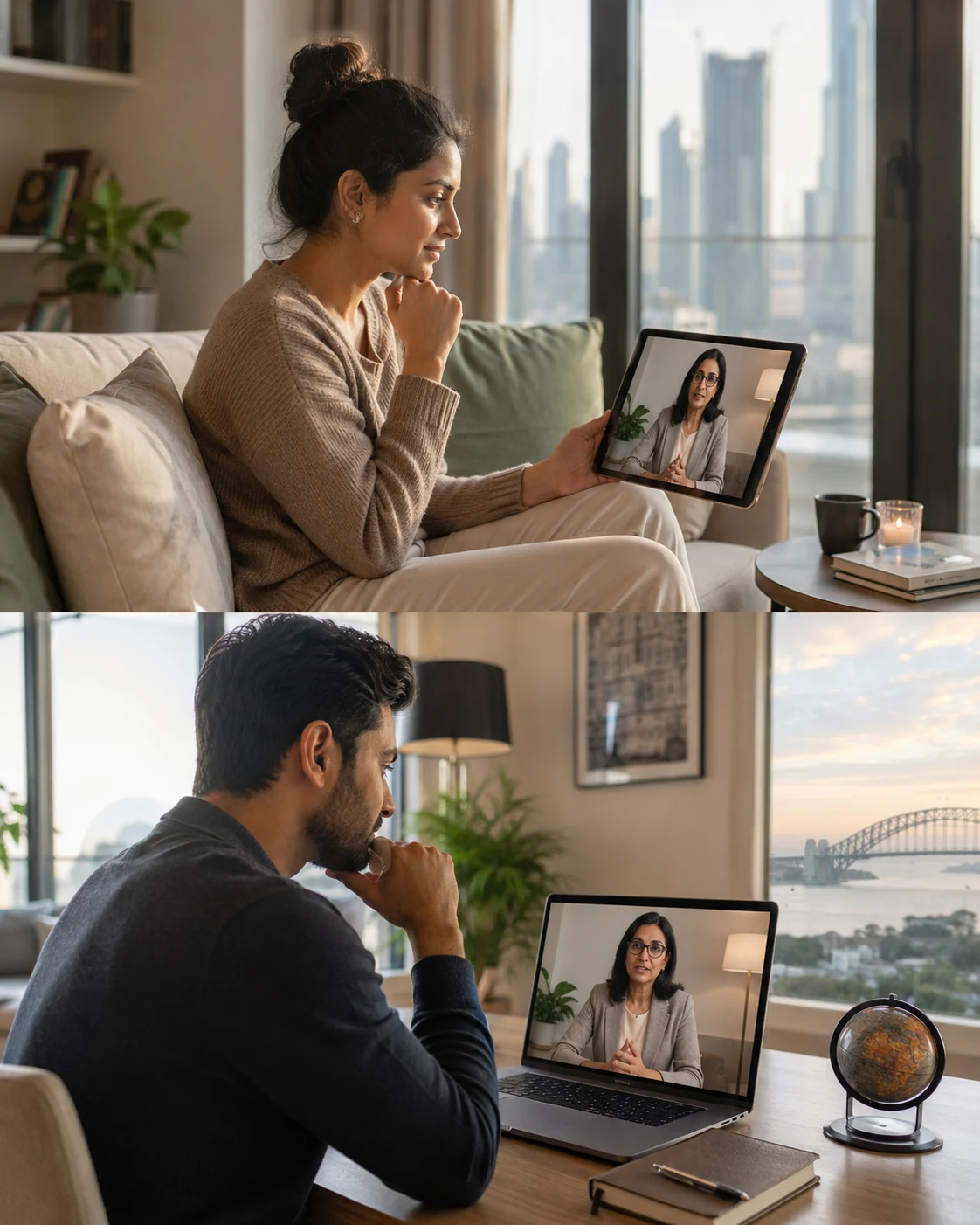
NRI adult attending trauma and PTSD counselling with an Indian psychologist
Familiar psychological support, wherever you live

Support across countries and time zones

Trauma and PTSD Counselling for NRIs and International Clients

Living with trauma can feel more isolating in another country. You may be far from familiar people, unsure how to explain Indian family dynamics or unable to find suitable psychological support within your local area.

LeapHope makes it easier to consult Indian psychologists through private sessions arranged around international time zones. You can discuss family pressure, relationship trauma, abuse, migration, identity and difficult past experiences without first having to translate the cultural meaning behind them.

Structured trauma and PTSD counselling helps you understand triggers, reduce avoidance, regulate difficult responses and gradually rebuild safety, trust and connection in your present life.

With consistent sessions and a psychologist who understands your wider context, you can work towards feeling less controlled by past experiences and more able to build relationships, make decisions and live a fulfilling life abroad.

Individual therapy, progress review and everyday recovery

Working With a LeapHope Psychologist Through Trauma and PTSD Recovery

Trauma does not affect every person in the same way. Your psychologist looks beyond a diagnosis to understand your triggers, emotional responses, relationships, coping patterns and the areas of life that have become restricted.

01

Your Psychologist Builds an Individual Understanding

Early sessions explore what happened, how it affects you now, situations you avoid, changes in sleep or mood, relationship patterns and the coping responses you have developed. You are not expected to disclose every detail before therapy can begin.

02

Progress Is Reviewed Throughout Therapy

Your psychologist tracks changes in triggers, intrusive memories, avoidance, emotional regulation, sleep, concentration and daily functioning. The pace and methods are adjusted according to what is helping, what remains difficult and what you are ready to address.

03

Trauma in Men May Be Easier to Miss

Some men describe anger, irritability, emotional distance, overworking, risk-taking or difficulty relying on others rather than openly identifying fear or vulnerability. Therapy provides space to examine these responses without judging them as weakness.

04

Women May Carry Different Safety Pressures

Some women experience trauma alongside fear, self-blame, people-pleasing, relationship insecurity or pressure to remain quiet about abuse and family conflict. Therapy considers safety, power, boundaries and cultural expectations as part of the wider picture.

These patterns are not fixed by gender. Men and women can experience any trauma response, and counselling is based on the individual rather than assumptions about how someone should feel or behave.

Progress may include
  1. 1Greater emotional control recognising triggers and responding with more choice
  2. 2Safer relationships rebuilding trust, boundaries and emotional connection
  3. 3More freedom in daily life returning to routines, work and previously avoided situations

Your LeapHope psychologist reviews progress with you, explains changes to the treatment plan and helps determine when additional psychiatric, medical or local support may be appropriate.

Clear answers before beginning trauma therapy

Frequently Asked Questions About Trauma and PTSD Counselling

Practical answers about choosing a trauma counsellor, working with a PTSD specialist, therapy fees, confidentiality, international access and structured online care through LeapHope.

How do I choose the right trauma counsellor or PTSD specialist?

Review the professional’s actual title, qualifications, registration where applicable, trauma experience, therapeutic methods, languages and session fee. LeapHope displays these details before booking, allowing you to compare LeapHope therapists and counsellors and select the professional whose experience matches your needs.

Can trauma therapy help when the experience happened years ago?

Yes. Adults may begin therapy years after childhood trauma, abuse, an accident, medical treatment, bereavement, workplace harassment or a harmful relationship. Counselling focuses on how the experience continues to affect emotions, behaviour, trust, relationships and everyday functioning now.

Is online trauma counselling private and confidential?

Yes. LeapHope sessions are conducted through private online consultations and follow professional confidentiality and ethical standards. Your psychologist or counsellor also explains the recognised safety and legal limits of confidentiality as part of responsible therapeutic care.

How long does trauma and PTSD therapy take?

Therapy duration depends on the nature of the experience, current symptoms, avoidance, emotional stability, relationships and the goals agreed with your psychologist. Some clients undertake focused short-term work, while repeated or complex trauma may need a longer and more gradual course of therapy.

Can I continue with the same counsellor after moving countries?

Yes. LeapHope is designed to provide continuity with the same psychologist, therapist or counsellor. Online appointments make it easier to continue structured sessions when you relocate, travel regularly or begin living in another time zone.

Is LeapHope trauma and PTSD therapy available in my country?

LeapHope provides online trauma therapy for Indian, NRI, expat and non-Indian international clients. Adults can access counselling from India, the USA, Canada, the United Kingdom, UAE, Australia, New Zealand, Singapore, Germany, Ireland, the Netherlands, Switzerland, Qatar, Saudi Arabia, Oman and Kuwait, as well as other locations across North America, Europe, the Middle East and Asia. Learn more about international online therapy and counselling .

Can I change my trauma therapist or counsellor later?

Yes. Trust and professional fit are important when discussing trauma. If a psychologist’s approach or communication style does not feel suitable, you can review other LeapHope profiles and select another available therapist, counsellor or specialist.

Can trauma therapy help when trust or marriage is affected?

Yes. Individual trauma therapy can address mistrust, emotional withdrawal, fear of closeness, people-pleasing, conflict reactions and difficulty setting boundaries. When both partners need to work directly on the relationship, LeapHope also provides online marriage counselling focused on trust, communication and recurring relationship patterns.

Can trauma counselling help with anger, shutdown or numbness?

Yes. Trauma does not always appear as visible fear. It may appear as anger, irritability, emotional shutdown, numbness, impulsive reactions or difficulty calming down after a trigger. These patterns can be addressed within trauma counselling or through focused emotional regulation therapy .

Can trauma therapy continue alongside medication?

Yes. Psychological therapy can continue while medication is prescribed and reviewed by a psychiatrist or another qualified medical professional. Psychologists and counsellors do not prescribe medication. Each professional remains responsible for the part of care covered by their qualifications.

How much does trauma and PTSD therapy cost at LeapHope?

A private 50-minute trauma or PTSD therapy session costs ₹1,799 or ₹2,799 in India, depending on the psychologist selected. For international clients, the same fees are shown for quick comparison as $19 or $29 in the USA, £14 or £22 in the UK, and AED 69 or AED 108 in the UAE. The exact psychologist and session fee are visible before booking.

Why choose LeapHope for structured trauma therapy?

LeapHope allows you to review each professional’s name, title, qualifications, registration where applicable, experience, therapeutic methods, languages, fee and availability before booking. You work with one selected professional through private 50-minute sessions, allowing assessment, therapy goals, progress and treatment decisions to be reviewed consistently over time.

LeapHope provides online psychological therapy and counselling. It is not an emergency or crisis service. Immediate danger, active risk of harm or an inability to remain safe requires urgent local emergency, crisis or medical support.

Scroll to Top