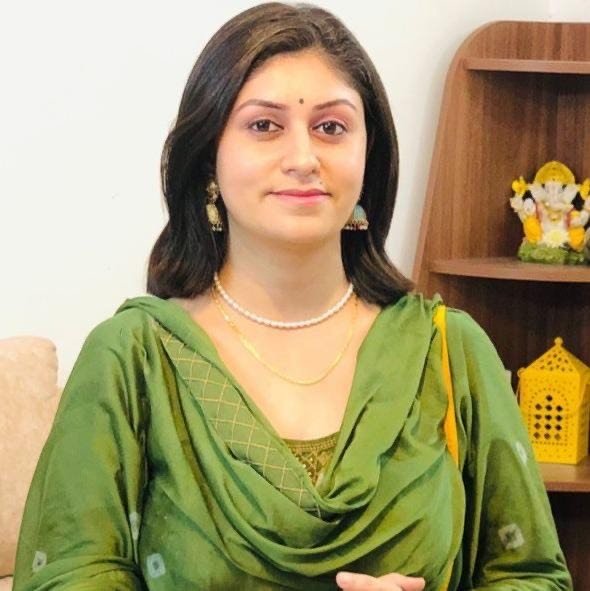

Sana works with couples where family expectations, cultural values, communication, trust or emotional distance are affecting the marriage. Faith and personal values can be included in therapy when they are important to the couple, while sessions remain structured and goal-oriented.
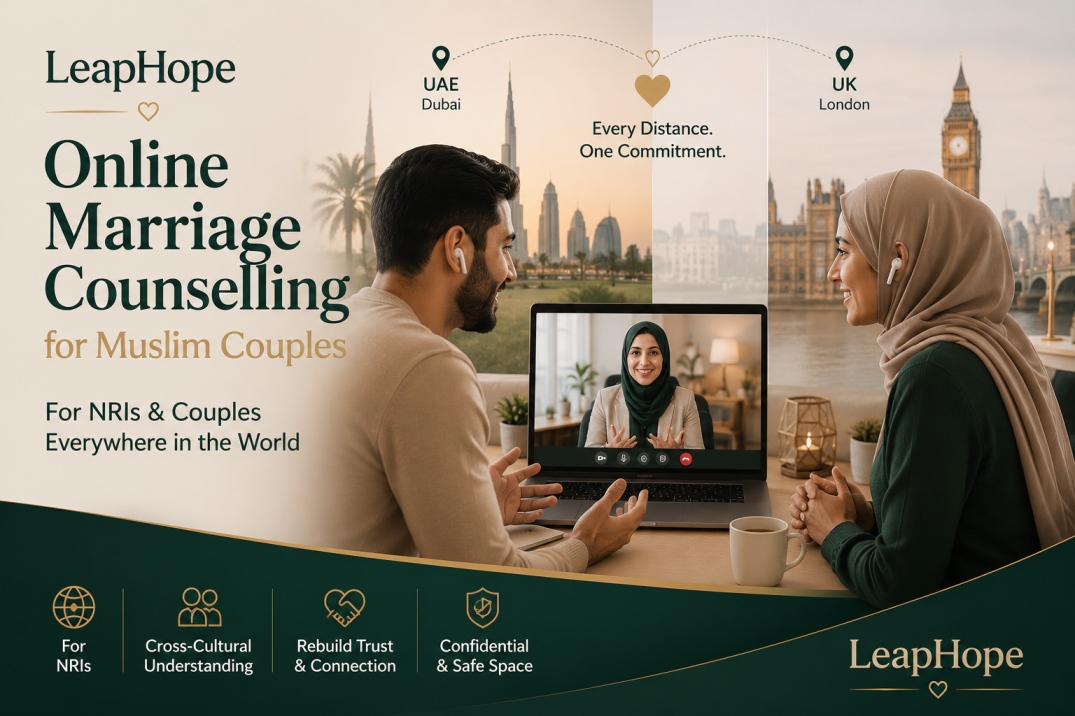
Online Marriage Counselling for Muslim Couples
Faith-Sensitive Marriage Counselling for Muslim Couples Worldwide
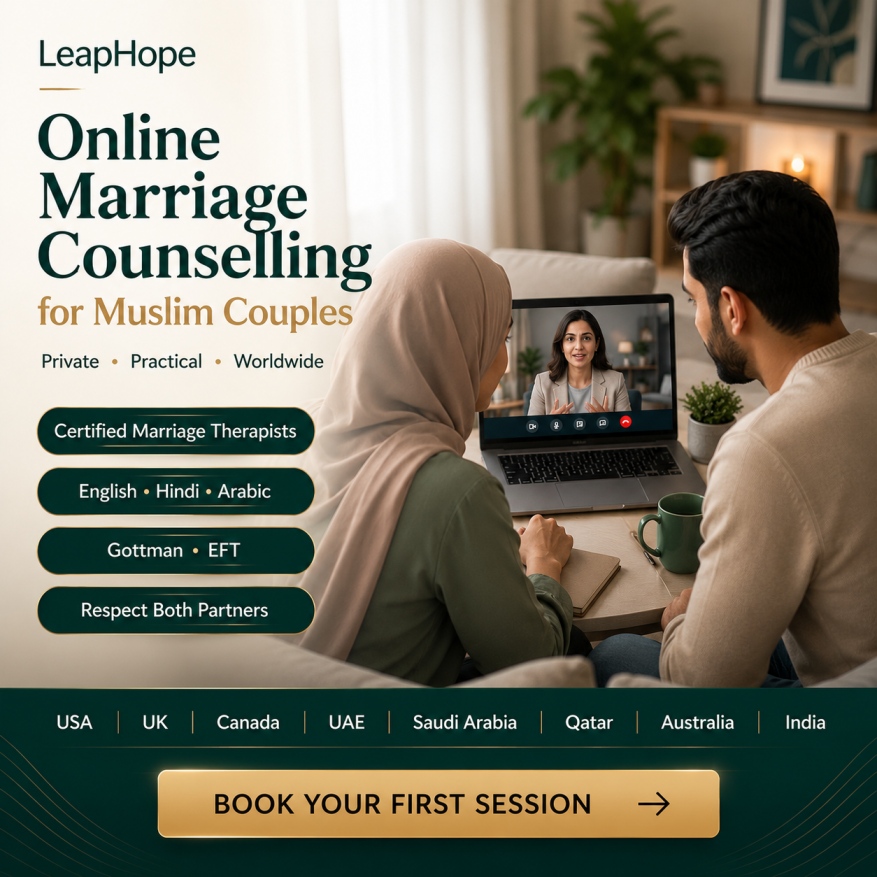
Marriage can become more complicated when relationship concerns overlap with faith, family expectations, cultural differences or life away from your home community. LeapHope connects Muslim couples with experienced psychologists and marriage therapists who provide structured relationship counselling while respecting the beliefs, values and family context that matter to you.

Start Online Marriage Counselling in 3 Simple Steps
Choose your therapist, book a convenient time and join your online session from anywhere.
Choose Your Therapist
Select the therapist who best matches your needs.
Pick a Time
Book a session that works for both partners.
Join Online
Attend securely via video from the comfort of home.
Marriage & Relationship Therapists
Choose a Therapist Who Understands Your Relationship Context
Work with experienced psychologists and marriage counsellors who can consider faith, family values, cultural expectations and relationship goals when these are important to you as a couple.
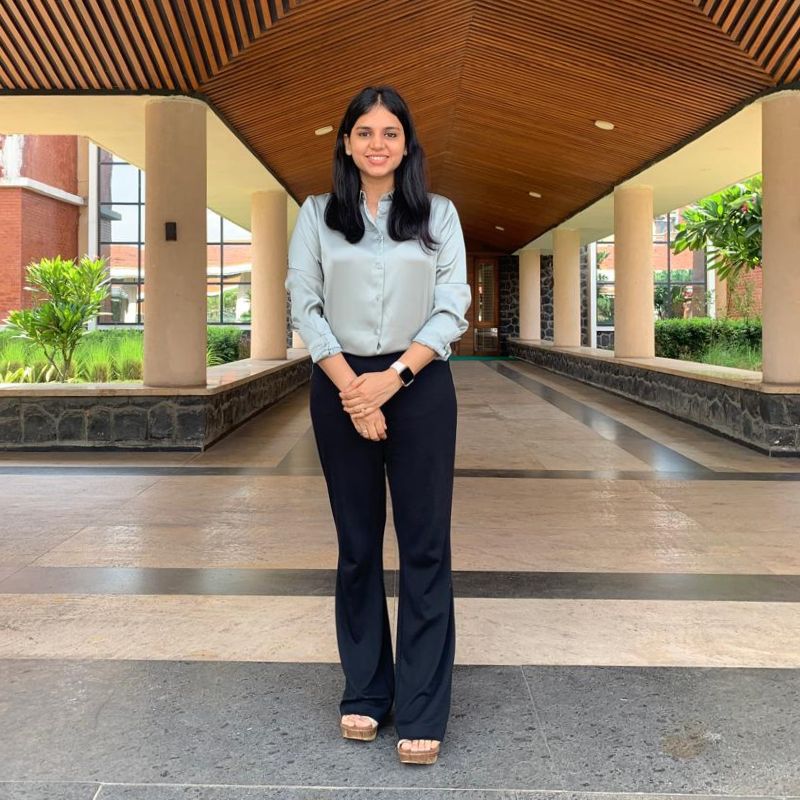
Mansi works with couples experiencing repeated conflict, trust concerns, emotional disconnection and family-related pressures, combining clinical psychology with structured relationship work.
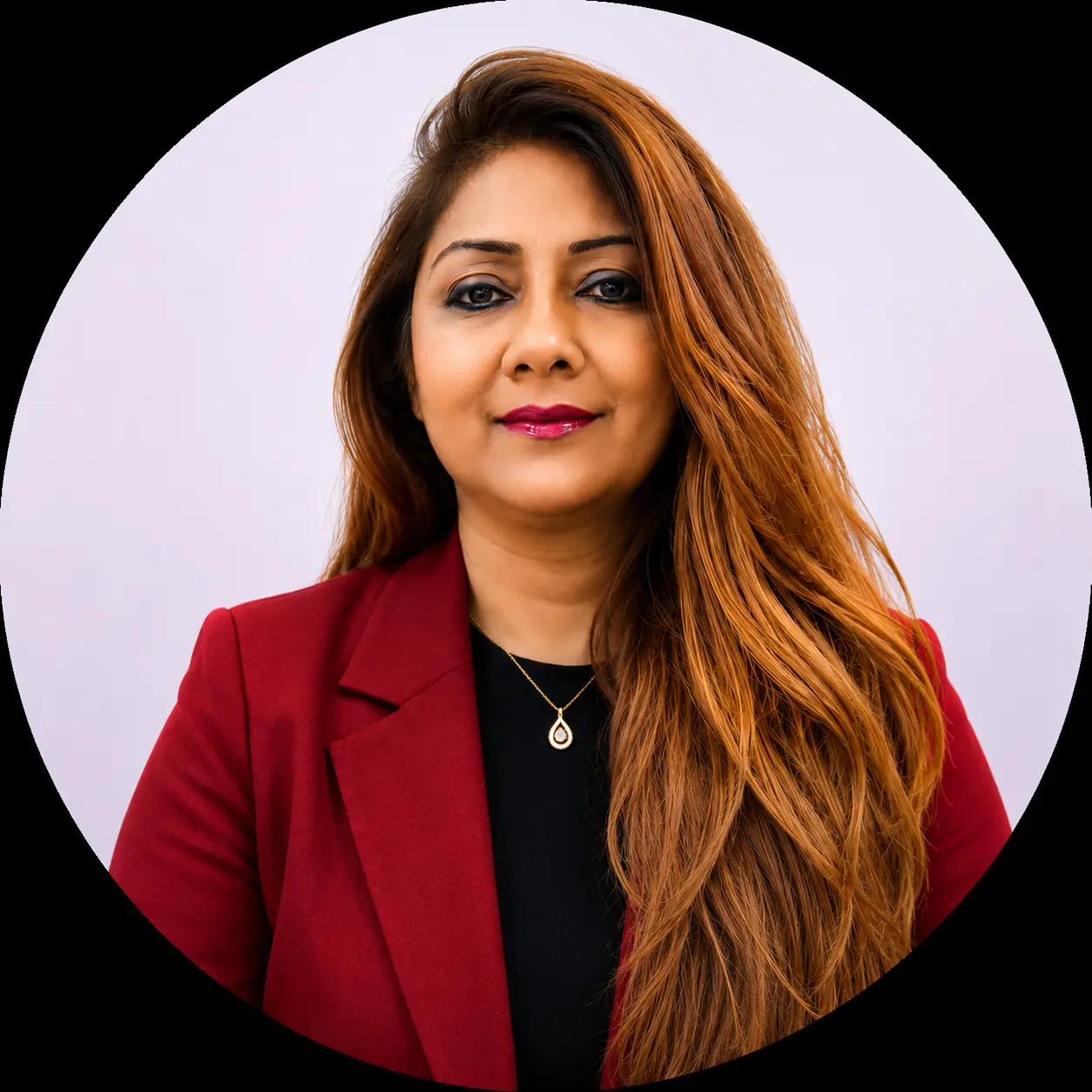
Aradhana works with long-standing relationship patterns, family expectations, communication difficulties and recurring disagreements, helping couples understand what keeps the same cycle going.
Mamta is particularly suited to marriages where relationship concerns overlap with parenting, extended-family involvement, changing roles or long-standing family dynamics.

Swati Sharma
Marriage & Relationship Specialist
5+ Years’ ExperienceSwati focuses on communication, boundaries, marital roles and recurring disagreements, with sessions built around practical relationship goals and changes both partners can work on.
Counselling respects each couple’s beliefs and personal values while remaining focused on psychological and relationship therapy. LeapHope does not provide religious rulings or replace consultation with a qualified religious scholar when specifically religious guidance is required.
Marriage Concerns Muslim Couples Commonly Bring to Counselling
Muslim marriage counselling may involve more than communication or conflict alone. Couples may be trying to balance their relationship with faith, different levels of religious practice, expectations after marriage, extended-family involvement, cultural differences or life abroad. Therapy gives both partners space to understand these pressures and work on the relationship without dismissing the values that matter to them.
Why Choose LeapHope for Muslim Marriage Counselling?
LeapHope combines professional marriage counselling with a culturally responsive approach for Muslim couples. Faith, family values and cultural background can be part of the conversation when they matter to you, while sessions remain focused on psychological and relationship therapy delivered by experienced clinicians and marriage specialists.

Experienced Marriage & Clinical Professionals
Work with clinical psychologists, senior psychologists and marriage counsellors with 5+ to 35+ years of professional experience.
Faith & Personal Values Can Be Included
Religious beliefs, cultural traditions and family values can be discussed without turning therapy into religious judgement or advice.
Support for International & Diaspora Couples
Suitable for Muslim, NRI, interfaith and cross-cultural couples living in the UK, USA, Canada, Australia, UAE and other countries.
Structured Couples Therapy Approaches
Therapists use approaches including Gottman-informed work, EFT, CBT, SFBT and other methods according to the couple’s needs and therapist expertise.
Experiences Shared by Muslim Couples
Every marriage is different, but many Muslim couples come to counselling facing similar challenges, including family pressures, emotional distance, communication difficulties, trust concerns, and balancing cultural or faith-related expectations within modern married life.
“As a Muslim couple, we often felt caught between our marriage and the expectations of our families. Every disagreement seemed to involve outside opinions. Counselling helped us communicate better, set healthy boundaries, and focus on our relationship as a team.”
“We came from different cultural backgrounds and often struggled to understand each other's perspectives. Through counselling, we learned how to navigate our differences without constantly arguing and became much more connected as a Muslim couple.”
“Years of responsibilities, parenting, and work had left us emotionally disconnected. We still cared about each other, but the closeness was gone. Counselling helped us rebuild trust, reconnect emotionally, and feel like partners again.”
Your Relationship Is Your Most Important Asset. We Can Help You Ensure It Keeps Growing.
Find Your CounsellorFAQs About Online Muslim Marriage Counselling
Practical answers about Muslim couples therapy, faith-sensitive counselling, therapist choice, languages and online sessions with LeapHope.
Muslim marriage counselling is relationship therapy where faith, family values, cultural expectations and religious practices can be discussed when they affect the marriage. At LeapHope, sessions remain focused on psychological and relationship therapy rather than religious rulings.
The terms are often used similarly online, but services can differ. LeapHope provides professional couples therapy that can respect Islamic beliefs and values. We do not provide Shariah rulings, fatwas or religious arbitration.
No. LeapHope therapists work on relationship and psychological concerns. Questions involving talaq, khula, mahr, religious obligations or Islamic rulings should be discussed separately with a suitably qualified Islamic scholar or religious authority.
A marriage therapist can help with conflict patterns, trust, emotional distance, boundaries and relationship decisions. An imam or qualified Islamic scholar is more appropriate for specifically religious questions. Some couples may choose to consult both.
Not every couple has the same preference. Some prioritise a therapist’s clinical experience, language or understanding of family and cultural context. If a therapist’s personal religious background is important to you, confirm this before booking rather than assuming it from language or nationality.
Yes. Couples can discuss how faith, religious practice, family values and cultural expectations influence their relationship. The therapist works with the values that matter to the couple while keeping the session focused on relationship and psychological work.
Yes. Differences in religious practice can affect routines, family expectations, parenting and marital roles. Counselling can help both partners discuss those differences more clearly and decide how they want to manage them within their relationship.
Yes. Premarital counselling can help couples discuss expectations around family involvement, finances, careers, children, living arrangements, communication, boundaries and religious practice before marriage. LeapHope provides professional premarital relationship counselling rather than religious nikah advice.
Yes. LeapHope provides online marriage counselling, so partners can join the same video session from different locations. This can suit long-distance, NRI, expatriate and international couples when suitable appointment times are available.
LeapHope offers online sessions to international couples, including people living in the UK, USA, Canada, Australia, UAE and other countries. Therapist availability, professional scope and suitability should be considered when booking from another jurisdiction.
Yes. LeapHope has therapists who provide sessions in English and Hindi, and Sana Naqshbandi also works in Urdu, Bengali and Kashmiri. Language availability depends on the therapist you choose.
Yes. One partner can start individually when the other spouse is not ready to attend. The therapist can help you understand relationship patterns, boundaries, communication and the decisions available to you without speaking on behalf of your partner.
Look at the therapist’s qualifications, marriage-counselling experience, languages, therapy approaches and experience with family or cross-cultural relationships. LeapHope profiles show these details so couples can choose the professional whose background best matches their needs.