Last Updated on October 17, 2026
Clinically Reviewed by: Mansi More Nopany, RCI-Registered Clinical Psychologist
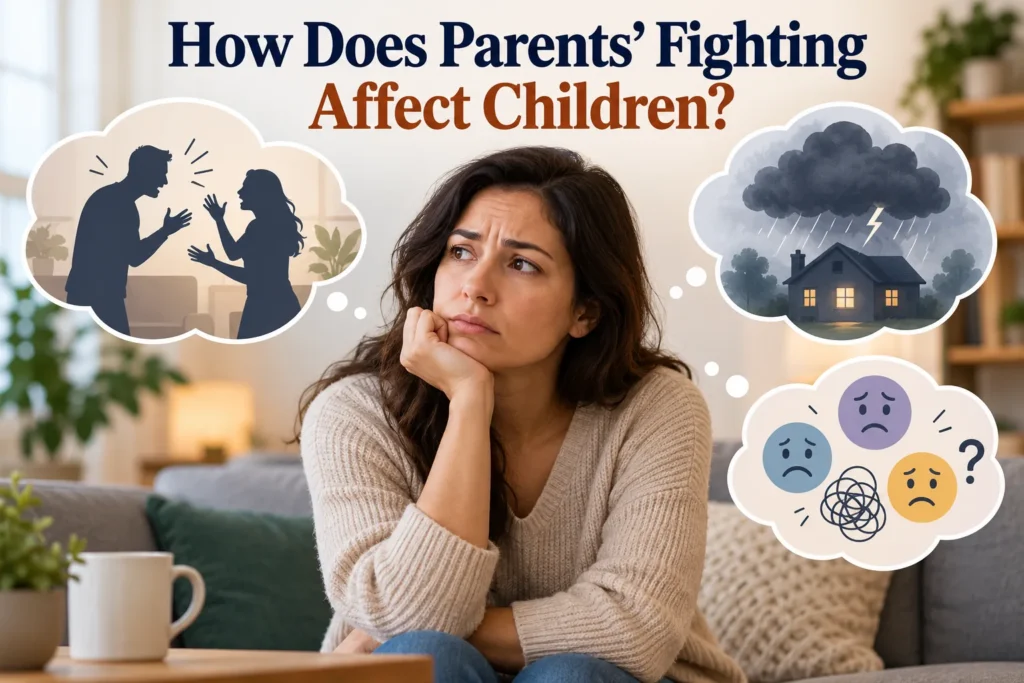
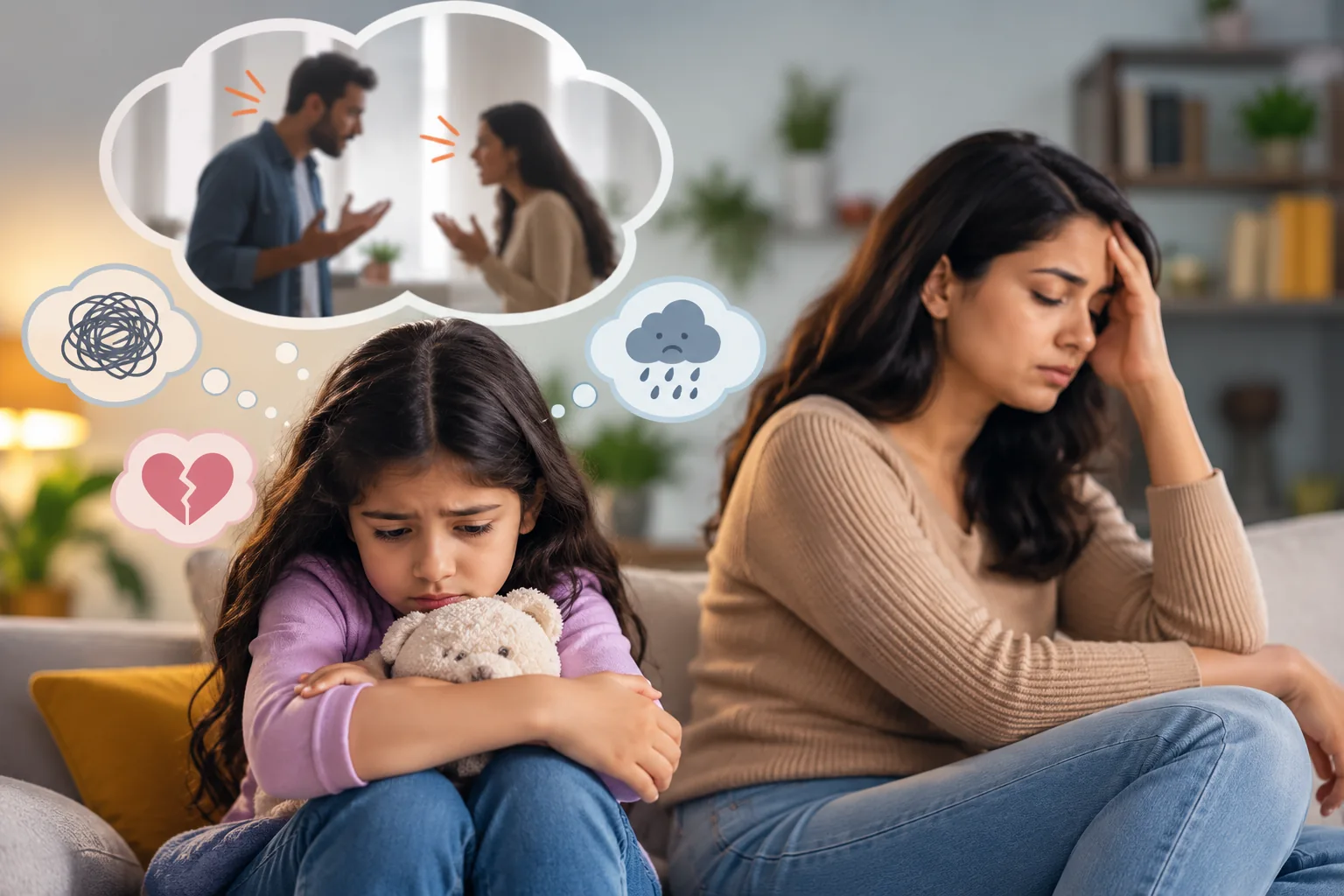
Are you and your spouse having frequent conflicts at home, sometimes right in front of your children? When arguments turn into shouting, your child may start crying, hide in a corner or quietly leave the room. You can see they are frightened, but once the argument ends, life carries on.
You know disagreements are part of adult life. But how is this fighting affecting your children? Could it harm their mental health, confidence or emotional development? Could they develop childhood trauma or grow up resenting you, just as you may still remember your own parents’ arguments or violence?
These concerns deserve clear answers. In this article, we’ll explain what psychological research tells us about the effects of parental fighting, shouting and violence on children, what signs to look for and what parents can do to reduce the harm.
How Does Parents’ Fighting Affect a Child?
Research shows that parental fighting can affect children in several ways, although not every child develops these difficulties. The psychological, behavioural and trauma-related effects are explained below.
Anxiety, Fear and Emotional Insecurity
Children depend on their parents for protection and stability. When those same adults regularly shout, threaten each other or become aggressive, some children begin feeling unsafe at home.
They may worry that another argument will happen, fear that someone will get hurt or wonder whether their parents will separate.
A child who repeatedly witnesses shouting may become frightened whenever their father raises his voice, even during an ordinary phone conversation.
The fighting does not always have to be loud. If parents stop speaking for several days, refuse to sit together or remain visibly angry, children may sense that something is wrong without knowing whether the disagreement has ended.
Aggression, Anger and Behavioural Problems
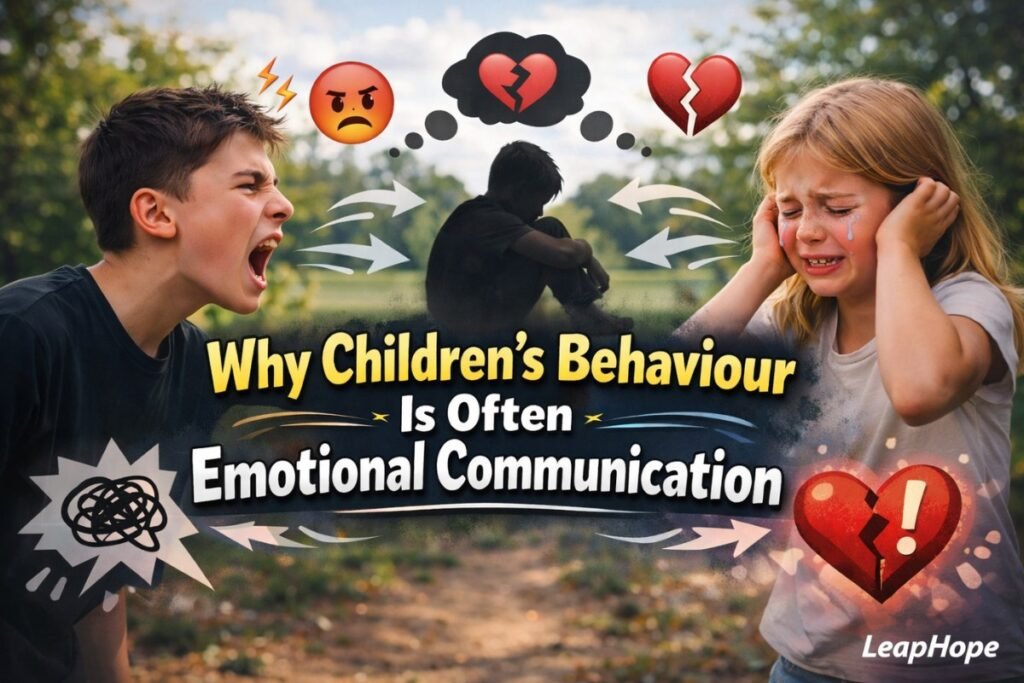
Some children begin expressing their frustration through aggression after witnessing frequent hostile arguments.
They may hit siblings, shout when corrected, argue with teachers or get into fights at school. A child who regularly sees adults threatening each other may also begin using threats to handle disagreements.
Others respond differently. They may stop expressing their opinions, avoid confrontation or become unusually careful about upsetting their parents.
These behaviours do not prove that parental fighting is the cause, but a noticeable change deserves attention.
Childhood Trauma, Hypervigilance and PTSD Symptoms
Witnessing physical violence between parents can be particularly frightening.
A child who sees their father hitting their mother, their mother assaulting their father, or either parent throwing objects or making serious threats may fear that someone will be badly injured.
Some children experience nightmares, unwanted memories, avoidance or intense reactions to reminders of the incident.
Others become constantly alert to possible danger. They may listen for footsteps, watch their parents’ expressions or become tense when doors slam or voices rise.
This heightened watchfulness is called hypervigilance.
A single frightening violent incident can trigger traumatic stress. Repeated violence may leave a child continually expecting another incident.
However, not every child who witnesses violence develops post-traumatic stress disorder (PTSD). PTSD involves specific symptoms that require professional assessment.
Depression, Withdrawal and Low Self-Esteem
Some children stop sharing their feelings, lose interest in favourite activities or withdraw from friends. Others experience persistent sadness or begin blaming themselves for arguments at home.
For example, if parents repeatedly fight about school expenses, a child might believe their education is causing financial problems.
If an argument starts after complaints about poor marks, the child may think they are responsible for their parents’ unhappiness.
When children repeatedly blame themselves, they may begin questioning their worth or feel that they are a burden to the family.
These feelings can affect confidence and self-esteem, although they may also have causes unrelated to parental conflict.
Sleep Problems, Physical Stress and Health Complaints
Children exposed to frequent frightening conflict may experience nightmares, difficulty sleeping, fatigue, headaches, stomachaches or changes in appetite.
A child who hears shouting late at night may struggle to fall asleep because they are waiting for another argument.
Persistent stress can also affect the body’s stress-response systems, although these changes are not identical in every child.
Recurring physical symptoms should still be medically assessed rather than assumed to be caused by stress.
Concentration, School Performance and Social Difficulties
A child worried about another argument at home may struggle to pay attention in class or complete homework.
Some experience falling marks, school avoidance or difficulties maintaining friendships.
Children may also find disagreements with classmates difficult to manage. One child may react aggressively to being corrected, while another may avoid speaking up even when treated unfairly.
These difficulties can have several causes, including bullying, learning needs or school pressure. Parents should consider the child’s full situation.
Trust, Attachment and Future Relationships
Children learn about relationships partly by observing how their parents treat each other.
When they repeatedly witness insults, intimidation or violence, some may begin believing that conflict, fear or threats are normal parts of close relationships.
As they grow older, they might struggle to trust others, worry about abandonment or find disagreements with romantic partners difficult.
Some may repeat the behaviour they witnessed, while others may avoid conflict because they associate disagreement with danger.
However, childhood exposure does not determine a person’s future. It does not mean every child will develop an attachment disorder or experience an unhappy marriage.
Taking Sides and Feeling Responsible for Parents
Some children become involved in parental arguments because they believe they must stop the fighting.
They may stand between their parents, defend one parent, carry messages or repeatedly comfort whichever adult is upset.
For example, after an argument about in-laws, a mother might ask her teenager to explain her side to the father. The teenager may feel pressured to agree with one parent and worry about upsetting the other.
Other children begin watching everyone’s moods and trying to prevent disagreements before they start.
A child who regularly manages adult emotions may appear unusually mature. But protecting parents, resolving marital disputes and keeping peace in the household are not children’s responsibilities.
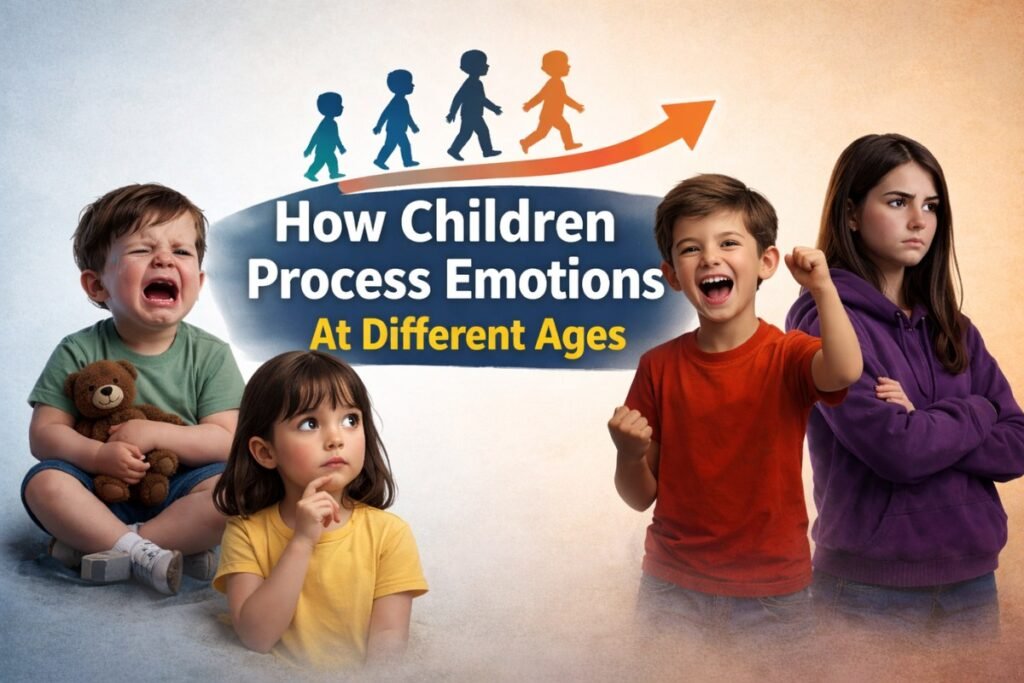
How Does Parents’ Fighting Affect Children at Different Ages?
Children can be affected by parental conflict at any age, but they understand and respond to frightening situations differently as they develop.
Babies and Toddlers (0–3 Years)
Babies cannot understand why their parents are arguing, but they can respond to loud shouting, distressed caregivers and frightening changes in their surroundings.
Possible reactions include increased crying, clinginess, sleep disturbances, feeding difficulties or developmental regression.
A baby does not need to remember an incident in words to have experienced distress at the time.
Young Children (4–8 Years)
Young children may believe their parents are fighting because of something they did.
Some worry that their parents will separate or that one parent will not come home. Others develop nightmares, separation anxiety, tantrums or increased clinginess.
They may repeatedly ask whether their parents still love each other or whether the fighting has stopped.
Pre-teens (9–12 Years)
Pre-teens may understand arguments about money, relatives or household responsibilities but struggle with the emotional pressure.
Some become angry with one parent, withdraw from family activities or experience school difficulties.
Others try to stop arguments, protect a parent or decide which adult is right.
Teenagers (13–18 Years)
Teenagers may recognise unhealthy relationship behaviour more clearly, but they can still experience anxiety, sadness, anger or emotional withdrawal.
Some avoid spending time at home, argue more frequently with parents or experience school difficulties. Serious or repeated violence can also be associated with risk-taking in some adolescents.
Teenagers may begin questioning whether their own future relationships will resemble their parents’ marriage.
Does it matter whether a child has witnessed fighting since birth or after one serious incident?
Yes. A child exposed to frightening conflict throughout childhood has a different history from one who witnesses a single severe incident. Both experiences can cause distress, but the effects depend on what happened, how often it happened and the support available afterwards.
Does Parents’ Fighting Affect Boys and Girls Differently?
Both boys and girls can experience anxiety, depression, aggression, withdrawal or traumatic stress after witnessing destructive parental conflict.
Some studies have found differences in particular emotional or behavioural outcomes, but the findings are mixed. There is no reliable rule that boys become aggressive while girls become anxious.
For example, a son may begin fighting at school while his sister becomes quiet and withdrawn. In another family, the opposite may happen.
Look at changes in your own child’s behaviour rather than assuming their reaction based on gender.
What Are the Signs That Parents’ Fighting Is Affecting a Child?
Some children show distress during arguments. Others develop changes over the following days or weeks.
Possible warning signs include:
- Fear during arguments: Crying, hiding, freezing or covering their ears when shouting begins.
- Sleep difficulties: Nightmares, waking repeatedly or refusing to sleep alone.
- Behavioural changes: Sudden aggression, tantrums, hitting siblings or becoming unusually withdrawn.
- Physical complaints: Frequent headaches, stomachaches, tiredness or appetite changes.
- School difficulties: Poor concentration, school avoidance or declining marks.
- Constant alertness: Watching parents’ moods, listening for shouting or becoming frightened by slammed doors.
- Taking responsibility: Trying to stop arguments, protecting one parent or repeatedly comforting a distressed adult.
- Separation worries: Becoming upset when a parent leaves after an argument or worrying they will not return.
These behaviours do not prove that parental conflict caused a psychological condition. However, persistent or worsening changes deserve attention.
What Should Parents Do After Fighting in Front of Their Child?
If your child witnesses a frightening argument, take these steps:
- Make sure your child is safe. Stop the argument and give everyone time to calm down.
- Ask what they saw or heard. Let your child explain what frightened or confused them.
- Remove self-blame. Tell them the argument was not their fault and fixing it is the adults’ responsibility.
- Keep them out of the dispute. Do not ask them to choose sides, deliver messages or comfort either parent.
- Show genuine resolution. After a non-abusive disagreement, let them see you communicating respectfully again.
- Change repeated behaviour. If shouting and threats keep happening, apologies alone will not remove the ongoing source of fear.
Understanding how parenting styles affect children may also help parents recognise unhealthy reactions learned in their own childhood.
If the argument involved violence, serious threats or coercive control, prioritise safety and specialist support rather than reconciliation.
When Should Parents Seek Professional Help?
Consider professional help when:
- Emotional distress continues: Your child experiences persistent fear, sadness, anxiety or withdrawal.
- Behaviour changes significantly: Aggression, nightmares or school difficulties begin interfering with daily life.
- Trauma symptoms appear: Your child experiences unwanted memories, avoidance or intense fear after witnessing violence.
- Your child becomes involved:u They repeatedly intervene in arguments, protect one parent or feel responsible for family problems.
- Hostile fighting continues: Parents cannot stop frequent shouting, threats or intimidating behaviour.
At LeapHope, an experienced child psychologist in India can assess your child’s emotional and developmental concerns.
For persistent aggression, withdrawal or behavioural difficulties, child behaviour counselling may help. Parents struggling with conflict-related reactions or parenting stress affecting their child can explore parenting counselling.
For non-abusive relationship disagreements, couples counselling may also be appropriate. When domestic violence or coercive control is involved, safety planning and specialist support should come first. Do not wait for visible symptoms before seeking help after serious violence.
If anyone is in immediate danger, contact local emergency services.
Let’s Recap
Parents fighting can affect children’s emotional security, confidence, behaviour, sleep, learning and relationships. Children who witness threats or violence may also experience traumatic stress.
Not every child develops these difficulties. Respectful disagreements are different from repeated shouting, intimidation or physical violence.
If your child has witnessed frightening conflict, acknowledge what happened, explain that it was not their fault and take steps to prevent further harm. Children can recover from difficult experiences, particularly when they receive consistent protection, understanding and appropriate support.
Resources and Research
The clinical information in this article is informed by the following research and professional guidance:
- Van Eldik et al. (2020) — The Interparental Relationship: Meta-Analytic Associations With Children’s Maladjustment and Responses to Interparental Conflict. Psychological Bulletin. Examines associations between parental conflict and children’s emotional, behavioural and stress-related difficulties. Read the research.
- American Academy of Pediatrics (2023) — Intimate Partner Violence: Role of the Pediatrician. Clinical guidance covering emotional, behavioural, developmental and physical health concerns in children exposed to domestic violence. Read the clinical report.
- National Child Traumatic Stress Network — Effects of Intimate Partner Violence on Children. Explains developmental reactions, traumatic stress symptoms and behavioural concerns among children exposed to violence between caregivers. Read the guidance.