Reviewed by: Aradhana Gambhir
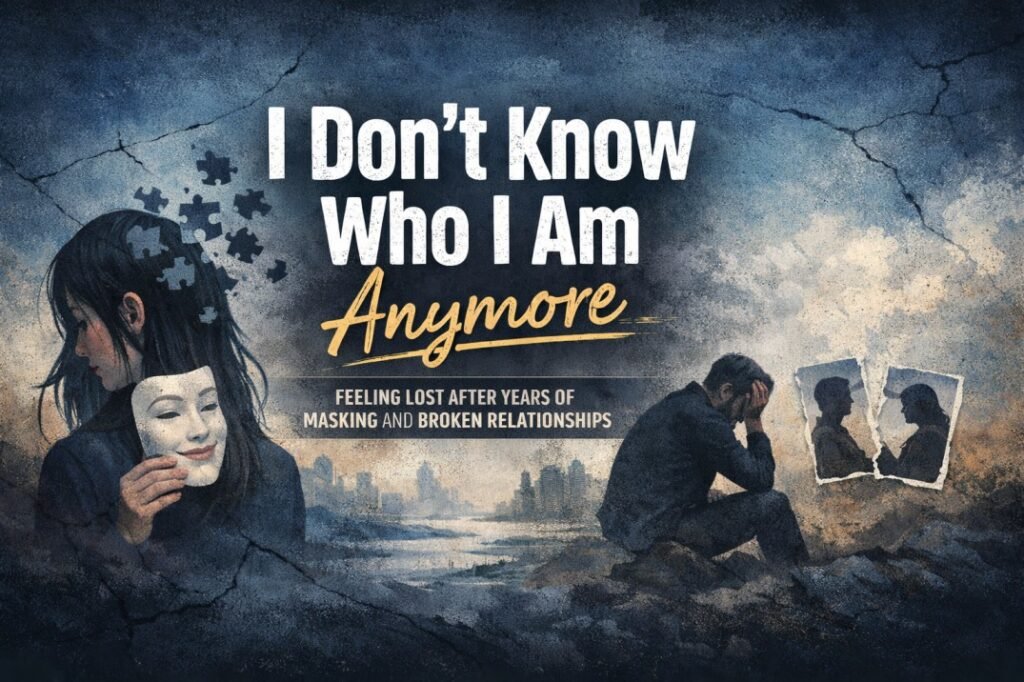
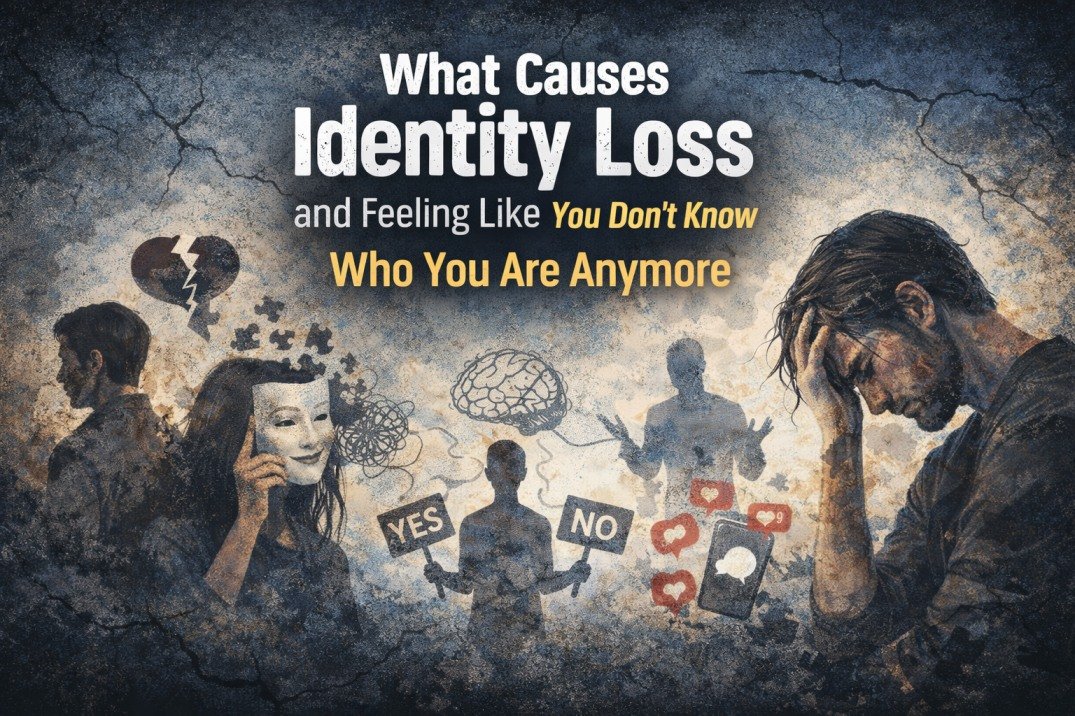
“I don’t know who I am anymore” does not always mean you have completely lost your identity. More often, it means things that once felt clear about you – what you want, what you enjoy, what you believe, what you will accept, and how you make decisions – no longer feel as certain.
You may still be going to work, maintaining relationships and handling everyday responsibilities. But internally, you keep questioning yourself. You may wonder whether your choices are genuinely yours, why you behave differently around different people, or why an earlier version of you felt easier to understand.
For some people, this develops after years of adjusting to relationships, family expectations or other people’s approval. For others, it becomes noticeable after a breakup, career change, relocation or another major life change removes a role that once gave them a clear sense of who they were.
What Does “I Don’t Know Who I Am Anymore” Actually Mean?
Most people who feel this way still know the basic facts about themselves. The confusion is usually about their internal sense of self.
You may find yourself asking:
- What do I actually want?
- Do I genuinely like this, or did I just get used to it?
- Is this my opinion or somebody else’s?
- Why do I need reassurance before making simple decisions?
- Am I saying yes because I want to, or because I do not want to disappoint someone?
- Why do I feel like a different version of myself depending on who I am with?
Psychology uses the term self-concept clarity to describe how clearly and confidently your beliefs about yourself are defined, how consistent they feel, and how stable they remain over time.
When that clarity becomes weaker, you may still function well on the outside while feeling surprisingly uncertain inside. That is often closer to the experience behind “I don’t feel like myself anymore” than the idea that your personality has somehow disappeared.
What a Lost Sense of Self Can Look Like in Daily Life
A lost sense of self is often visible in ordinary situations rather than dramatic moments.
You may struggle to choose what you want without first thinking about what someone else would prefer. You may ask several people for advice on small decisions, change opinions depending on who you are speaking to, or stay quiet when something bothers you because you are unsure whether your reaction is reasonable.
Other common experiences include:
- not knowing what you genuinely enjoy anymore
- feeling unsure about your career, relationship or direction
- relying heavily on reassurance before making decisions
- feeling uncomfortable when you are alone with your own thoughts
- behaving very differently around different people
- doubting your own emotional reactions
- missing an older version of yourself
- feeling functional but internally disconnected
Sometimes this also happens alongside feeling that you do not enjoy life or familiar activities in the same way anymore. When interests, motivation and emotional connection change, people often describe the experience as “I don’t recognise myself.”
Why You May Stop Feeling Clear About Who You Are
There is rarely one single reason. A sense of self can become less clear when you repeatedly ignore your own reactions, organise too much of your life around another person, or rely heavily on outside approval to decide whether your choices are acceptable.
You Have Been Adjusting Yourself Around Other People
Adapting to other people is normal. Problems begin when adaptation becomes your default way of relating.
You may start avoiding disagreement, changing your behaviour to prevent conflict, or agreeing with things you are uncomfortable with because keeping the relationship peaceful feels more important. Over time, the first question stops being “What do I think?” and becomes “What response will keep this situation okay?”
This is why long-standing people-pleasing and difficulty setting boundaries can leave someone genuinely unsure about their own preferences. When you have spent years monitoring everyone else, your own reactions receive much less attention.
A Relationship Became Too Much of Your Identity
Relationships naturally become part of how we understand ourselves. Shared routines, plans, friendships, responsibilities and compromises are normal parts of being close to someone.
But your sense of self can become less clear when most decisions begin revolving around maintaining the relationship. You may choose what keeps your partner happy, avoid expressing things that might create distance, or gradually give up interests, friendships or ambitions that once felt important.
This can become particularly obvious after a relationship ends. You are not only losing the person; you may also be losing routines, plans, social connections and a version of yourself that existed mainly inside that relationship.
That is one reason losing your sense of self after a breakup can feel so disorienting. The question becomes not only “How do I live without this person?” but also “Who am I outside this relationship?”
You Have Been Ignoring Your Own Reactions
People often notice discomfort long before they act on it.
You may repeatedly tell yourself you are overreacting, that something “isn’t a big deal,” or that speaking up will only create unnecessary conflict. If you keep overriding your own reactions, it becomes harder to know what those reactions mean when they eventually surface.
This can show up as irritability, emotional outbursts, numbness or confusion about why certain situations affect you so strongly. The emotions are not necessarily random; they may be signals you have become accustomed to dismissing before understanding them.
Too Much of Your Self-Worth Comes From Outside
Outside approval can give quick certainty. Praise from a partner, manager, family member or social group can temporarily make you feel attractive, competent or sure that you made the right decision.
The problem is when you struggle to trust your own judgement without that confirmation. You may know what you want but still feel unable to act until somebody tells you it is reasonable.
That overlap between self-esteem and dependence on approval matters because rebuilding a sense of self requires being able to tolerate some decisions that other people may not fully understand or agree with.
An Old Version of You No Longer Fits
Sometimes the problem is not that you abandoned yourself. Your life changed, but your understanding of yourself did not change with it.
You may have strongly identified as a student, partner, parent, caregiver, professional, high achiever or financially independent person. When that role changes, ends or becomes less important, it can leave an unexpected gap.
A breakup, relocation, career change, parenthood, retirement, grief or major change in personal priorities can all create this experience. The identity that previously organised your life no longer fits, while the next version of you is still unclear.
That period can feel like losing yourself when you may actually be trying to understand who you are now.
Why Do I Feel Like a Different Person Around Different People?
Acting somewhat differently in different environments is normal. Most people do not behave exactly the same with colleagues, parents, close friends and partners.
The issue is not having different sides of yourself. The difficulty begins when those versions feel so disconnected that you cannot identify what stays consistent underneath them.
For example, you may notice that your opinions change depending on the group you are with, your boundaries become very different in certain relationships, or you regularly hide parts of yourself because you think they will not be accepted.
A useful question is not “Do I behave exactly the same everywhere?” but:
What remains recognisably mine across different situations?
Your tone and behaviour may change, but your core values, important boundaries and major preferences should still have some continuity. When that continuity becomes difficult to identify, people often experience it as not knowing which version is the “real” one.
Social Media Can Add Another Layer of Confusion
Social media exposes you to constant opinions about how you should live, work, date, communicate, dress, heal and even think. When you consume large amounts of this content, it can become difficult to separate something you genuinely believe from something you have heard repeatedly.
The problem is not simply using social media. It is having so little quiet space that every question about yourself is immediately answered by somebody else’s advice, lifestyle or opinion.
If you notice yourself constantly checking how other people live before deciding what makes sense for you, reducing some of that input can make it easier to recognise your own reactions again.
How to Find Yourself Again When You Don’t Know Who You Are
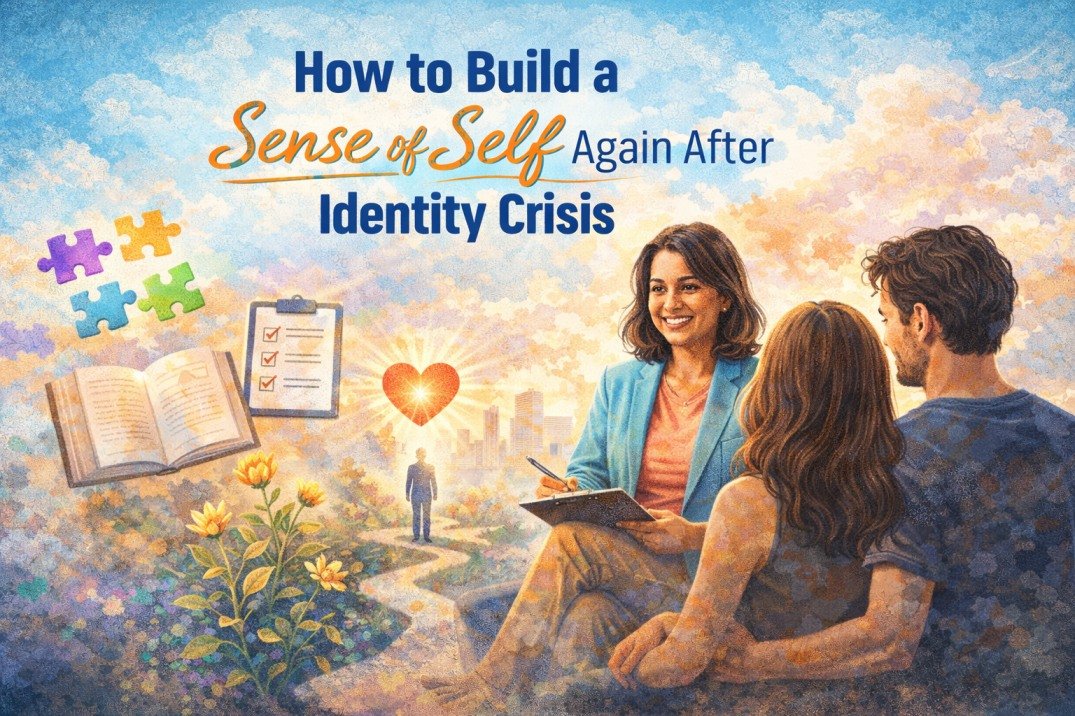
Rebuilding a sense of self does not usually happen through one dramatic realisation. It happens gradually as you begin paying attention to your own reactions and making decisions from them again.
Separate Your Preference From Other People’s Approval
Before asking someone what they think, notice your own first response.
For small decisions, ask: “If nobody knew what I chose, what would I choose?”
You can practise this with ordinary things such as what you wear, how you spend your free time, what you eat, which invitation you accept or what activity you genuinely want to do.
The goal is not to become completely independent of other people’s opinions. It is to hear your own preference before their opinion replaces it.
Notice Where You Automatically Edit Yourself
Pay attention to situations where you regularly hide, soften or change your reactions.
You may agree when you actually disagree, pretend something does not bother you, avoid saying no, change how you dress or speak, or become less confident around particular people.
Do not immediately try to fix every situation. First understand where the pattern happens and what you are trying to prevent — rejection, criticism, conflict, disappointment or something else.
That information helps you see where your sense of self becomes weakest.
Identify Values, Not Just Likes and Dislikes
Finding yourself is bigger than figuring out your favourite music, clothes or hobbies.
Ask what you want your decisions to reflect. This might include independence, honesty, family, stability, creativity, ambition, loyalty, learning, privacy or adventure.
You do not need a perfect list. A few values that genuinely matter to you can act as a useful reference point when you feel unsure about a decision.
Make Small Decisions Without Reassurance
If you have spent a long time checking decisions with other people, independent choice may initially feel uncomfortable.
Start with low-risk decisions. Choose something without asking three people first. Say no without overexplaining. Spend time doing something you chose even if nobody else finds it interesting.
Self-trust often develops after you begin making your own decisions, not before.
Look for Patterns Instead of One Big Answer
You do not need to solve your identity in one sitting.
Over several weeks, notice what repeatedly gives you energy, what leaves you drained, which relationships make you feel most natural, which situations make you perform, and which choices leave you relieved afterwards.
Repeated patterns tell you much more about yourself than trying to produce a perfect answer to “Who am I?”
Do Not Try to Become Your Old Self Again
Many people say, “I just want to be who I used to be.”
But going backwards is not always the goal. Some parts of your earlier identity may genuinely no longer fit your current life.
A healthier goal is to understand what still matters, what has changed and what kind of person you want your current choices to reflect.
When Talking to a Psychologist Can Help
Feeling uncertain about yourself for a short period can happen during major changes. Professional support becomes more useful when the confusion continues, affects daily functioning or repeatedly pulls you into relationships and decisions that do not feel right.
You may consider talking to a psychologist if:
- you rarely know what you want without asking other people
- small decisions have become exhausting
- you repeatedly change yourself to maintain relationships
- you cannot identify or communicate your own boundaries
- you feel disconnected from interests or parts of yourself that once mattered
- you struggle to separate your preferences from other people’s expectations
- the confusion is affecting work, relationships or everyday functioning
Working with an online psychologist at LeapHope can help you understand how these patterns developed and rebuild clearer boundaries, values and decision-making.
The purpose is not for a psychologist to tell you who you are. It is to help you recognise your own internal signals more clearly and rely on them with greater confidence.
Final Thoughts
When you think, “I don’t know who I am anymore,” the problem may not be that your identity has disappeared.
You may have spent so much time adapting, ignoring your reactions, living through certain roles or relying on outside approval that your own preferences and boundaries have become harder to recognise.
Start by making the problem smaller. Notice what feels genuinely yours, where you automatically change yourself, which values still matter, and what happens when you make small decisions without asking for reassurance.
A clearer sense of self usually returns gradually. You begin recognising yourself again when your choices, boundaries and reactions start feeling more consistently like your own.
FAQs
Why do I feel like I don’t know who I am anymore?
This can happen when your preferences, values and boundaries become unclear after long periods of adjusting to other people, relying on external approval or going through major life changes. You may still function normally while feeling unsure about what genuinely reflects you.
What does losing your sense of self feel like?
It can feel like not knowing what you want, changing your opinions around different people, struggling with decisions, relying heavily on reassurance or feeling disconnected from interests and values that previously felt important.
Why do I feel like a different person around everyone?
Some change in behaviour across situations is normal. It becomes confusing when you cannot identify consistent values, boundaries or preferences beneath those different versions of yourself.
Can a relationship make you lose your sense of self?
Yes. This can happen when your choices, boundaries and priorities become increasingly organised around maintaining the relationship. Over time, you may become clearer about what the relationship needs than about what you personally want.
What should I do when I don’t know who I am anymore?
Start by observing your preferences before seeking other people’s opinions. Make small independent decisions, notice where you automatically change yourself, identify a few values that genuinely matter to you, and look for patterns in what consistently feels right or wrong.