
Last Updated on February 18, 2026
Modern marriages aren’t lacking love; they’re overloaded with stress, screens, work, and parenting.
When daily life becomes survival mode, connection fades into routine and even sex can start to feel predictable.
If you’re looking for ways to spice up married life, understand this: heat doesn’t disappear. It gets buried under repetition and mental overload.
This guide walks through a full day from waking up to falling asleep, showing how small, intentional shifts can naturally rebuild desire, anticipation, and emotional closeness.
Why Married Life Feels Boring (Even When You Still Love Each Other)
Married life feels boring when novelty decreases and predictability increases. Long-term relationships naturally settle into patterns, but repeated routines reduce dopamine response, which directly affects excitement and sexual anticipation.
Chronic stress also plays a role. Mental load, financial pressure, parenting responsibilities, and work demands elevate cortisol levels, which suppress libido and reduce spontaneous desire. Even when attraction exists, the body may not respond the same way.
Over time, couples can shift into functional partnership mode. Communication becomes task-focused rather than emotionally or physically expressive. Without intentional rhythm changes, intimacy can start to feel mechanical instead of engaging.
Spicing up married life requires interrupting these predictable patterns. When rhythm shifts, attention returns, and attention is the foundation of renewed desire.
30 Real-Life Ways to Spice Up Married Life (From Morning to Night)
If you want to spice up married life, the solution is not extreme experimentation. Attraction in long-term relationships responds better to small, repeatable shifts in rhythm than dramatic one-time gestures.
Desire builds gradually across the day. Proximity, anticipation, and novelty activate emotional and physical responsiveness long before intimacy begins.
The following ideas move from morning to night, showing how intentional daily changes can restore tension, playfulness, and connection in realistic, busy married life.
Wake Up and Cuddle Your Partner Daily
Stay in bed a few extra minutes and hold each other before the day begins. Morning touch lowers stress and increases emotional closeness. That physical connection early on makes intimacy later feel natural, not forced.
Make Eye Contact Before Leaving Bed
Before you grab your phone or rush to the bathroom, actually look at your partner. Not a quick glance, a real, lingering look. That small pause reminds both of you that there’s still chemistry beneath the routine. Feeling noticed first thing in the morning can quietly reignite attraction throughout the day.
Whisper Something Playful Before Work
Before one of you leaves, lean in and say something light and slightly suggestive, something only the two of you understand. It doesn’t have to be explicit, just enough to create a private spark. That small moment plants anticipation for later and keeps the connection alive beyond the daily routine.
Try Morning Intimacy Occasionally
Trying intimacy in the morning changes the energy completely. You’re not yet drained by work, screens, or responsibilities, so connection feels lighter and more spontaneous. Starting the day with closeness can create a lingering sense of warmth and attraction that carries into the rest of your routine.
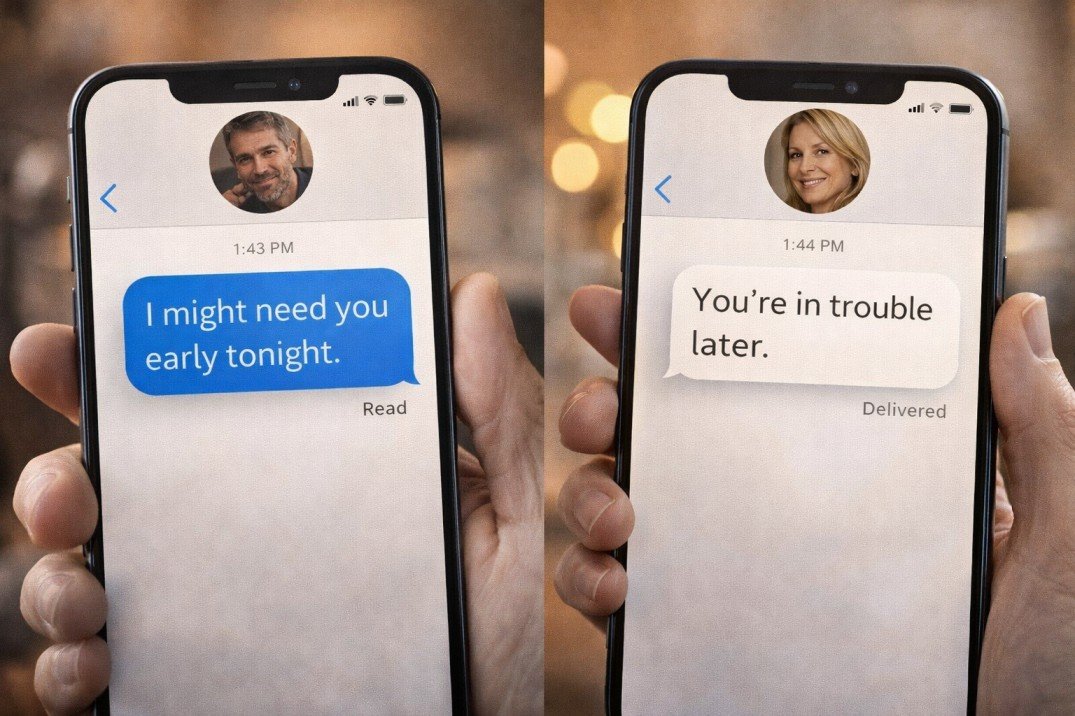
Send One Flirty Message Before Noon
Send a short, playful text like, “You looked really good this morning,” or “I’m stealing you later.”
A simple message like that keeps attraction alive during the day and builds quiet anticipation for when you’re together again.
Compliment Their Body or Energy Unexpectedly
Instead of routine praise, say something specific like, “You looked confident in that outfit,” or “I love the way you carry yourself lately.”
Unexpected compliments restore attraction and make your partner feel desired, not just appreciated for what they do. Feeling seen physically often reactivates chemistry.
Send Each Other a Reel That Reflects How You Feel
If you come across a reel or short video that reminds you of your partner, something romantic, playful, or subtly suggestive – send it with a simple message like, “This made me think of you.”
It keeps attraction present in a modern, natural way. Sharing content that reflects how you feel or how you’d like to connect builds emotional closeness and quiet anticipation throughout the day.
Create a Private “Later” Code Word
Choose a simple word or phrase that only the two of you understand. When one of you says it during the day, it quietly signals interest without pressure.
That shared secret builds anticipation and turns ordinary moments into private tension only you both recognise.
Light Physical Touch When Passing
As you move around the house, add small touches, a hand on the lower back, fingers brushing the arm, a quick squeeze of the waist.
Brief, casual contact keeps physical awareness alive and prevents the relationship from slipping into roommate mode. Even subtle touch can quietly rebuild attraction throughout the day.
Remove One Stressor From Their Day
Do one practical thing that makes their evening lighter, handle a chore, finish an errand, put the kids to bed, or solve something they’ve been worrying about.
Stress blocks desire. When someone feels mentally relieved, their body relaxes too. A calmer nervous system makes connection and intimacy far more likely later.
Chronic stress elevates cortisol, which directly suppresses sexual desire. Research published by the American Psychological Association explains how stress impacts intimacy and relationship satisfaction.
Greet Each Other With Physical Contact
When you see each other after work, don’t just say hello from across the room. Walk over. Hug properly. Hold for a few seconds longer than usual.
That physical reset shifts you from task mode to couple mode and reminds both of you that the relationship comes before the routine.
Take a Short Walk Without Talking About Bills
Go outside together for 10–15 minutes and agree not to discuss money, work problems, or logistics. Just walk and talk like you used to.
Movement lowers stress, and removing heavy topics creates space for lightness. Lightness is where flirting and attraction naturally return.

Eat Dinner Without Screens
Put the phones away and turn off the TV while you eat. Even one screen-free meal creates space for eye contact and real conversation.
Presence builds connection, and connection makes physical closeness feel natural instead of forced later in the night.
Laugh Together Intentionally
Put on something funny, share a silly memory, or talk about a random situation or person you encountered during the day. You both meet new people and experience new things daily bring that energy home.
Laughter lowers tension and restores playfulness. Playfulness creates flirtation, and flirtation is often the first step back to attraction.
Change the Order of Your Evening Routine
If your nights follow the same pattern – dinner, TV, shower, sleep – switch it up. Shower together before dinner, sit outside after eating, or talk before turning on the screen.
Even small shifts break predictability. When routine changes, attention increases and attention is where attraction starts to rebuild.
Go to Bed at the Same Time
Instead of one person staying up scrolling while the other sleeps, head to bed together a few nights a week. Shared bedtime increases opportunity for conversation, touch, and spontaneous intimacy.
When your nights overlap, connection becomes easier and more natural instead of something that has to be scheduled or forced.
Dim the Lights or Change the Atmosphere
Before intimacy, soften the lighting or change the mood of the room. Turn off harsh lights, use a lamp, light a candle, or play soft music.
Environment affects energy. A calmer, warmer setting helps the body relax and makes connection feel intentional rather than routine.
Start With Touch Before Words
Instead of beginning with conversation or planning, begin with physical closeness. A slow hug, a hand along the arm, or standing close for a few quiet seconds shifts the energy immediately.
The body often reconnects faster than words do. When touch leads, intimacy feels natural instead of negotiated.
Slow Down the First Five Minutes
Don’t rush into the usual pattern. Take the first few minutes slowly, longer kissing, softer touch, more eye contact.
Slowing down builds tension and awareness. When you don’t hurry, the experience feels fresh instead of routine.
Change the Time of Day You’re Intimate
If intimacy always happens at night when you’re exhausted, try a different time, early morning, afternoon on a weekend, or even before dinner.
Changing timing disrupts routine and removes the “too tired” barrier. A new window can make connection feel spontaneous again instead of predictable.

Build Anticipation Instead of Immediate Action
Instead of moving straight into intimacy, let tension build. Hold eye contact a little longer, pause between touches, or step away briefly before coming back.
Anticipation increases excitement because the brain responds strongly to waiting. When desire has time to grow, connection feels more intense and less mechanical.
Extend Foreplay Intentionally
Instead of moving quickly toward the goal, spend more time building connection through kissing, touching, and slowing your pace. Let your focus stay on exploration rather than outcome.
When foreplay is extended, anticipation deepens and sensitivity increases. That extra time often transforms routine intimacy into something more engaging and memorable.
Try One Small Variation (Position, Pace, Setting)
You don’t need dramatic changes, even a small shift can refresh the experience. Try a different pace, a new position, or move to a different room occasionally.
Minor variations interrupt routine and increase attention. When something feels slightly new, the brain responds with curiosity, and curiosity fuels desire.
Talk About a Fantasy Without Pressure
Share a thought or idea you’ve been curious about, but make it clear there’s no expectation to act on it immediately. The goal is openness, not performance.
Talking about fantasies builds psychological intimacy and trust. When partners feel safe expressing desire, attraction deepens naturally.
Initiate Differently Than Usual
If one of you always makes the first move in the same way, change it. Send a playful text instead of waiting until bedtime, start with a longer kiss, or gently pull your partner closer without saying much.
Changing how you initiate shifts the dynamic and breaks predictability. When the pattern changes, attention increases and attention often reignites attraction.
Focus on Pleasure Over Performance
Shift your attention away from “doing it right” or reaching a specific outcome. Instead, focus on what feels good in the moment – slower breathing, deeper touch, genuine responsiveness.
When pressure decreases, relaxation increases. And relaxed partners are far more likely to experience natural desire and deeper connection.
Take a Short Intentional Break to Rebuild Desire
If intimacy has started to feel mechanical, consider a short, mutual pause from sex while maintaining affection and closeness. Remove pressure, but keep connection.
A brief reset can restore anticipation and sensitivity. When intimacy isn’t automatic, desire often returns with more intention and curiosity.
Stay Close Instead of Rolling Away
After intimacy, resist the urge to immediately turn away or grab your phone. Stay close, hold each other, breathe together, or rest in quiet contact.
That physical closeness strengthens emotional bonding and reinforces safety. When partners feel connected after intimacy, future desire builds more naturally.
Say What You Enjoyed
After intimacy, tell your partner one specific thing you liked, how they touched you, something they said, or how it made you feel. Keep it simple and genuine.
Positive feedback builds confidence and reinforces connection. When someone feels appreciated, they’re more likely to initiate and engage again with enthusiasm.

Fall Asleep Touching
Instead of drifting apart after intimacy, fall asleep while holding hands, with legs intertwined, or simply resting against each other.
That lingering contact reinforces safety and emotional closeness. When connection continues beyond the act itself, future desire feels warmer and more secure.
How to Spice Up Marriage When You Have Kids
After kids, intimacy declines mainly due to fatigue, comfort, and loss of privacy, not loss of attraction. What works is maintaining physical energy and sexual identity. Working out together, improving fitness, and staying body-aware increases confidence and libido, which directly impacts attraction.
Protect adult space intentionally. Do not limit intimacy to rushed moments in the same routine setting. Change rooms when possible, adjust lighting, use music, or create a distinct environment. Environmental shifts signal novelty and restore psychological arousal.
Avoid repetition. Couples who continue exploring, new positions, varied pacing, mutual massage, fantasy discussion, or consensual adult content — maintain curiosity. Curiosity sustains desire in long-term relationships.
Small surprises also matter: favourite meals, unexpected initiation, dressing intentionally, or planned private time. With children, spice requires structure and deliberate effort, not spontaneity alone.
How to Spice Up Marriage After 40 or 50
After 40 or 50, desire changes because the body changes. Testosterone drops, menopause affects lubrication and sensitivity, and energy levels shift. Instead of ignoring it, address it directly. Get hormone levels checked, improve sleep, reduce alcohol, and start strength training. Physical training increases testosterone, confidence, and blood flow, all directly linked to sexual responsiveness.
Stop waiting until midnight when both of you are exhausted. Choose earlier hours. Protect energy. Exercise together, eat better, and stay physically active. Couples who maintain body fitness after 40 report stronger libido and better intimacy than those who slide into comfort and inactivity.
Slow things down. Longer foreplay, massage, deliberate touch, and emotional buildup work better than rushing. The body needs more stimulation time, not more pressure. Communication becomes essential, talk about comfort, fantasies, new preferences, and physical changes openly.
Focus on quality, not frequency. One intentional, attentive experience creates more connection than multiple distracted encounters. Couples who adapt to physical reality instead of resisting aging maintain long-term sexual satisfaction.
When Spice Isn’t the Problem – Disconnection Is
Sometimes the issue is not lack of creativity in the bedroom. It is emotional distance. When conversations feel cold, touch feels forced, or partners stop confiding in each other, adding “spice” will not solve the core problem.
Chronic resentment slowly erodes attraction. Unresolved arguments, feeling unheard, or carrying unequal responsibilities build emotional walls. Exhaustion and long-term stress can also reduce desire to the point where avoidance becomes a pattern.
If one or both partners consistently avoid physical contact, shut down emotionally, or feel disconnected despite trying new things, the relationship likely needs repair before experimentation.
In these situations, structured support helps. Booking an online marriage counseling can provide a neutral space to rebuild communication, reduce resentment, and restore emotional safety. Once connection improves, intimacy often follows naturally.
Conclusion
Spice isn’t about shock value or extreme experimentation.
It is about rhythm, anticipation, safety, novelty, and attention.
Marriage does not automatically lose heat over time.
It loses intentionality and intentionality can always be rebuilt.
FAQs
How do I spice up my marriage life?
To spice up marriage life, change daily rhythm instead of chasing extreme ideas. Increase physical touch, build anticipation during the day, improve fitness, reduce stress, and introduce small novelty. Consistent micro-changes work better than dramatic one-time experiments.
Why does married life get boring?
Married life gets boring when routine replaces novelty and stress suppresses libido. Predictable schedules, mental overload, and lack of intentional connection reduce dopamine and anticipation, even when love and attraction still exist.
How often should married couples be intimate?
There is no universal number. Married couples should focus on mutual satisfaction and connection rather than frequency. Quality, enthusiasm, and emotional safety matter more than how many times per week intimacy happens.
What is the 7-7-7 rule in marriage?
The 7-7-7 rule in marriage suggests a date night every 7 days, a weekend away every 7 weeks, and a vacation every 7 months. The principle encourages structured novelty to prevent routine from dominating the relationship.
How do I bring passion back after years together?
To bring passion back after years together, improve energy levels, break predictable patterns, communicate openly about desire, and introduce small variations in intimacy. Passion returns when rhythm and anticipation are restored.