Last Updated on October 5, 2026
You have already said it.
“Stop jumping on the sofa.”
“Put the phone away.”
“Don’t hit your brother.”
“Please stop interrupting.”
Then, sometimes only minutes later, your child does it again.
For parents, this can become exhausting. After repeating the same instruction again and again, it is easy to wonder whether your child is ignoring you or whether you need to become stricter.
But repeated behaviour after being told to stop can happen for several different reasons.
The useful question is usually not:
“Why won’t my child listen?”
It is:
“Why isn’t this instruction turning into different behaviour?”
1. Understanding the Instruction and Stopping Yourself Are Different Skills
A child may understand what you said.
That does not necessarily mean they can consistently stop themselves when the same temptation, frustration or impulse appears again.
Research on child development shows that the ability to pause, inhibit an impulse and choose another response develops gradually. These executive-control abilities continue developing throughout childhood and adolescence.
So a child may remember:
“Mum told me not to climb there.”
but still struggle to stop themselves when the exciting opportunity appears again.
This does not mean parents should ignore repeated behaviour.
It means that understanding a rule and consistently controlling behaviour are not exactly the same skill.
2. “Don’t Do That” May Not Tell the Child What to Do Instead
Consider:
“Stop messing around.”
What exactly should the child do?
Sit down?
Put the toy away?
Lower their voice?
Clinical behaviour programmes such as Parent-Child Interaction Therapy teach parents to use clear and direct instructions.
Research within PCIT has found that direct commands were associated with greater child compliance, while very frequent commands were associated with lower compliance.
You can read the research on parental instructions and child compliance.
Instead of:
“Stop throwing the blocks.”
try:
“Put the blocks on the floor.”
Instead of:
“Don’t shout.”
try:
“Use your normal voice.”
The first instruction tells the child what to stop.
The second gives them a behaviour they can actually perform.
3. Repeating the Same Instruction Can Become Part of the Pattern
This happens in many homes:
“Put your shoes on.”
No response.
“I said put your shoes on.”
Still nothing.
“How many times do I have to ask?”
Another reminder.
Eventually the parent raises their voice and the child finally moves.
When the same instruction is routinely repeated several times before anything changes, repeated prompting can itself become part of the interaction pattern.
The child may come to respond only when the instruction becomes more urgent.
The parent may start feeling that raising their voice is the only thing that works.
One clear instruction followed by a predictable response is usually more useful than turning the same request into a long sequence of reminders.
4. Look at What the Behaviour Changes in the Situation
Behaviour often continues because of what happens around it.
That does not mean your child is deliberately manipulating you.
Consider a child who wants more tablet time.
You say no.
They protest.
You explain.
They continue.
You negotiate.
Eventually they receive another ten minutes because you need to finish a call.
The behaviour changed the situation.
Another child may interrupt repeatedly and receive immediate attention each time.
Another may protest bedtime and delay going to bed.
Another may refuse homework and temporarily escape the task.
Research on child compliance has found that the history of what happens after compliance and noncompliance can influence later behaviour.
So instead of asking only:
“Why did you do that again?”
also ask:
“What usually changes after this behaviour happens?”
5. Parents and Children Can Get Stuck in the Same Escalation Cycle
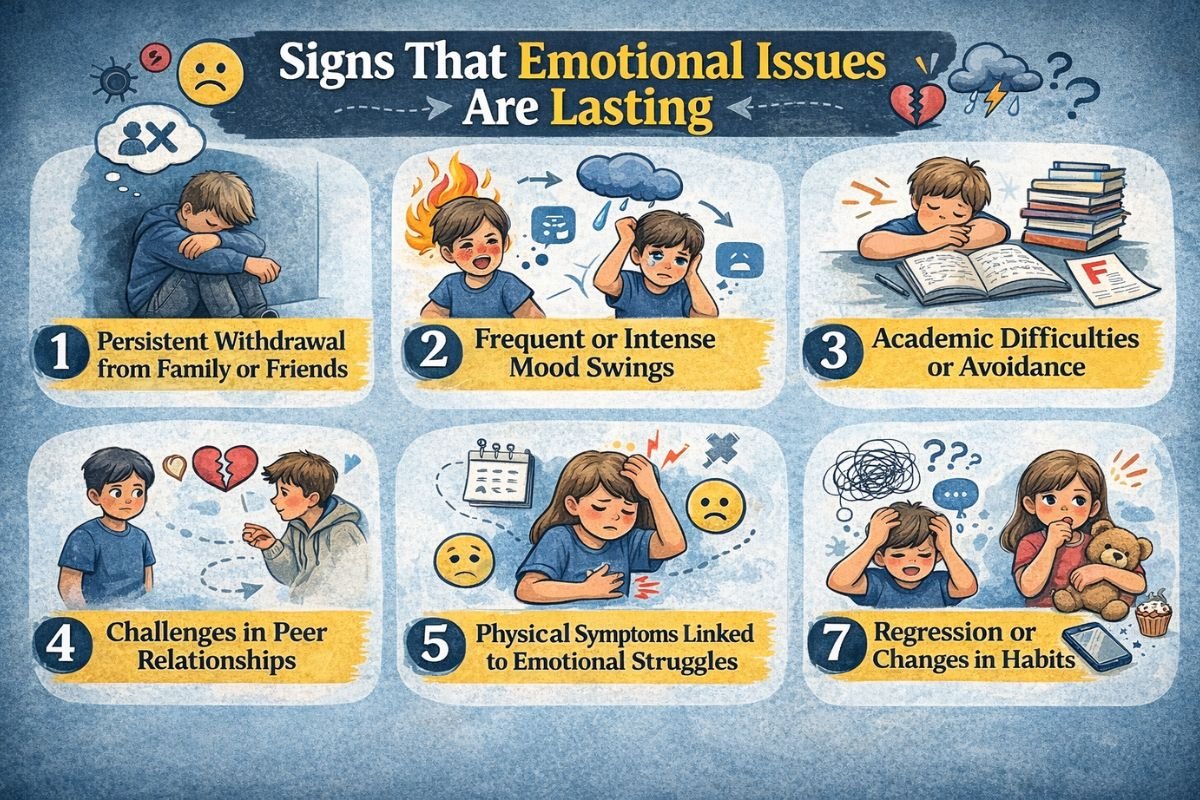
Behavioural psychologist Gerald Patterson described repeated parent-child conflict patterns in which both sides unintentionally reinforce escalation.
For example:
Parent gives an instruction.
Child refuses.
Parent becomes firmer.
Child protests more strongly.
Parent threatens a consequence.
Child escalates again.
Eventually someone gives in.
If this keeps happening, the interaction itself can become predictable.
The child may learn that prolonged resistance sometimes changes the demand.
The parent may learn that escalating their tone is what finally produces action.
Neither side planned the pattern.
It developed through repetition.
This is why persistent behaviour sometimes improves only when the interaction around the behaviour changes, not when the explanation becomes longer.
6. The Same Child Can Behave Differently at Home and School
Parents often ask:
“Why does my child listen at school but not at home?”
Different behaviour across settings does not automatically mean the child is deliberately choosing to behave badly with one person.
Research on child behaviour shows that differences between parent and teacher reports can reflect genuine differences across environments.
School and home differ in:
- routines
- structure
- distractions
- expectations
- consequences
- fatigue levels
- relationships
A child may manage a behaviour successfully during a highly structured school day but struggle later at home.
The opposite can also happen.
This is why psychologists often ask:
Where does the behaviour happen? When? With whom?
Those details can tell us more than the behaviour alone.
7. Sometimes the Child Is Already Tired, Hungry, Stressed or Overwhelmed
Two behaviours can look similar while having very different causes.
One child refuses to turn off a game because they want another round.
Another child has slept badly, barely eaten lunch, spent a difficult day at school and then becomes overwhelmed when asked to start homework.
Clinical PCIT guidance specifically distinguishes ordinary noncompliance from situations where a child may be tired, hungry, distressed, overwhelmed or in pain.
That does not mean difficult behaviour should always be excused.
It means parents should consider what state the child is in when the behaviour occurs.
Sometimes changing the timing or circumstances changes the behaviour more effectively than repeating the instruction.
8. Some Children Have Greater Difficulty With Attention or Impulse Control
For some children, the problem is much broader than one repeated household rule.
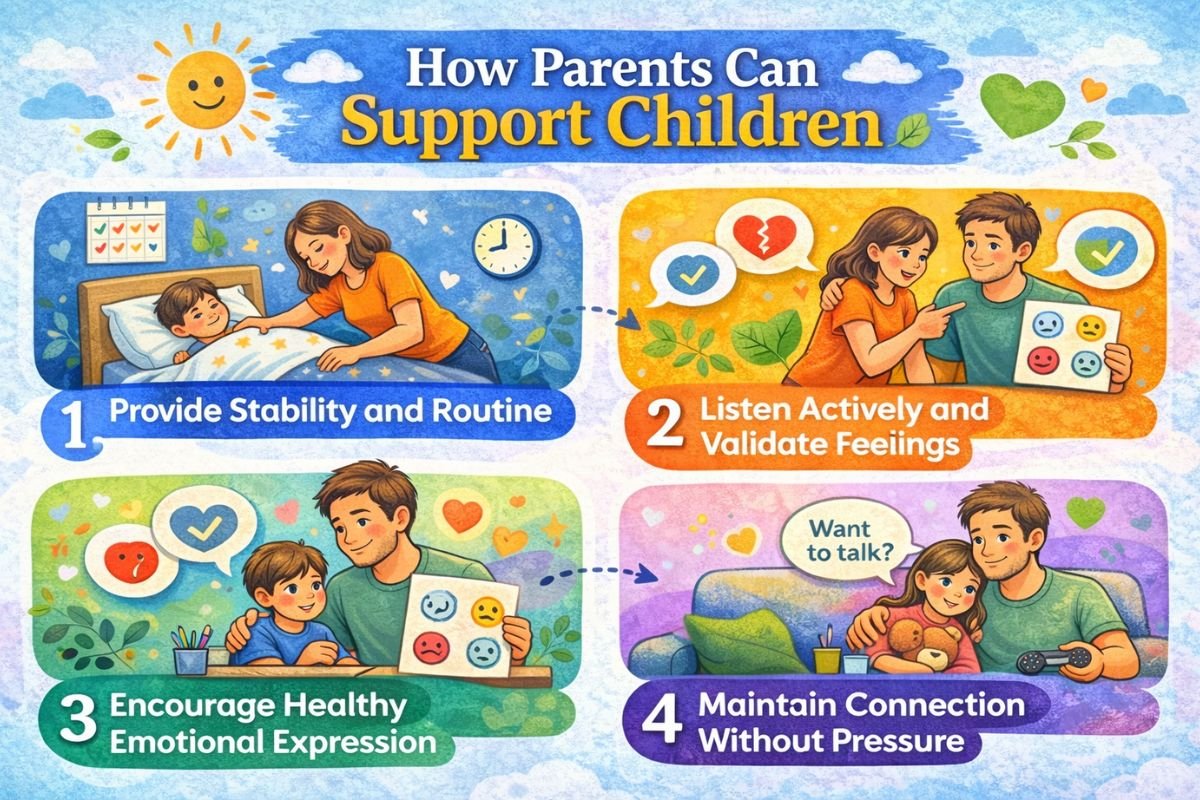
Parents may notice that the child:
- frequently acts before thinking
- struggles to wait
- forgets instructions quickly
- interrupts repeatedly
- has similar difficulties at school
- moves between tasks without finishing them
- struggles to stop once emotionally activated
Persistent patterns like these can sometimes occur with attention, executive-function or emotional-regulation difficulties.
They do not automatically mean ADHD.
But if the pattern is affecting school, relationships and family life, assessment may be useful.
Parents with broader attention concerns can read more about ADHD in children.
Anxiety, learning difficulties, sleep problems and other concerns can also affect behaviour.
What Can Parents Do Instead of Repeating “No” All Day?
You do not need a complicated behaviour system for every small issue.
Start with a few practical changes.
Give One Clear Instruction
Instead of:
“I’ve told you three times to stop messing around and get ready because we are already late.”
Try:
“Put your shoes on now.”
Short instructions are easier to act on.
Tell the Child What You Want Them to Do
Replace:
“Don’t run.”
with:
“Walk beside me.”
Replace:
“Stop shouting.”
with:
“Use your normal voice.”
Look at What Happens Before the Behaviour
Does the behaviour usually happen:
- before school?
- during homework?
- when screens are removed?
- when the child is hungry?
- around siblings?
- when you are busy?
- during transitions?
Patterns matter.
Look at What Happens Afterward
Does the behaviour change the situation by producing:
- attention?
- extra time?
- delay?
- negotiation?
- escape from a task?
- access to something the child wanted?
This can help explain why the behaviour keeps returning.
Strengthen the Behaviour You Want to See
Clinical psychologist Alan Kazdin’s work on Parent Management Training shows that treatment for significant disruptive behaviour does not rely mainly on repeatedly explaining unwanted behaviour.
It works by changing parent-child interaction patterns and systematically strengthening desired behaviour.
A meta-analysis of randomized controlled trials found Parent Management Training effective for reducing clinically significant disruptive behaviour and improving parenting skills.
You can read the meta-analysis of Parent Management Training.
The practical lesson is simple:
Do not give all your attention only when something goes wrong. Notice and reinforce the behaviour you want repeated too.
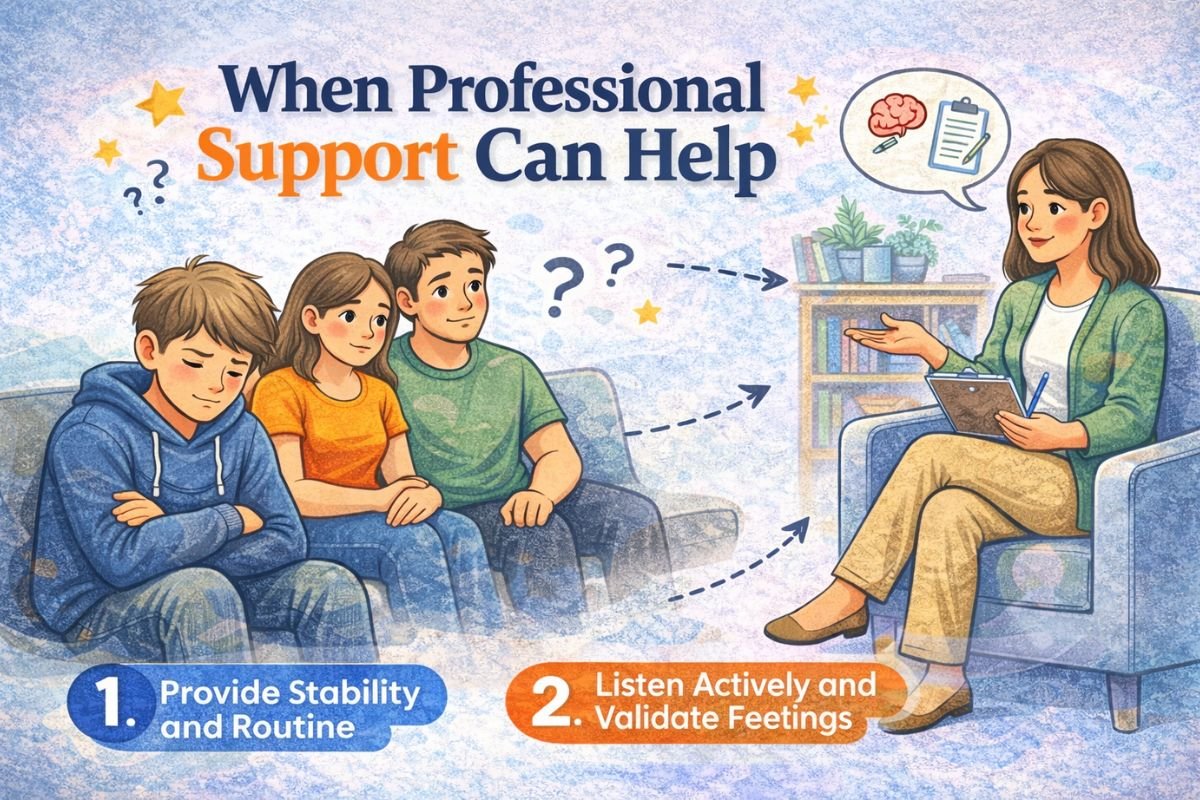
When Is Repeated Behaviour Worth Discussing With a Child Psychologist?
A child doing something again after being told to stop does not automatically indicate a psychological disorder.
Professional guidance may be useful when:
- the behaviour is unusually frequent or intense
- aggression is involved
- it is seriously affecting family life
- school reports similar problems
- the child consistently struggles with impulse control
- everyday limits trigger extreme reactions
- the behaviour is affecting friendships or learning
- parents and child are stuck in constant conflict
- you cannot understand what is maintaining the pattern
A psychologist can look at the pattern rather than simply label the child as disobedient.
Depending on the concern, support may involve the child, the parents or both.
LeapHope’s child behaviour counselling focuses on persistent behavioural and emotional difficulties.
If you are unsure what type of support your child needs, you can also begin with online child and teen counselling.
Final Thoughts
If you have explained something twenty times and your child still repeats it, explaining it for the twenty-first time may not be the answer.
Look at the pattern instead.
Can your child realistically control the behaviour at their age?
Do they know what to do instead?
What usually happens before it?
What changes afterward?
Does it happen everywhere or only in certain situations?
Is tiredness, stress, attention or impulse control part of the picture?
Those questions usually tell you more than assuming your child simply refuses to listen.
Sometimes a small change in how parents give instructions and respond is enough.
Sometimes repeated behaviour points to a broader difficulty that deserves assessment.
Either way, the goal is not simply to say “stop” more often.
It is to understand why the behaviour keeps happening.