Last Updated on October 6, 2026
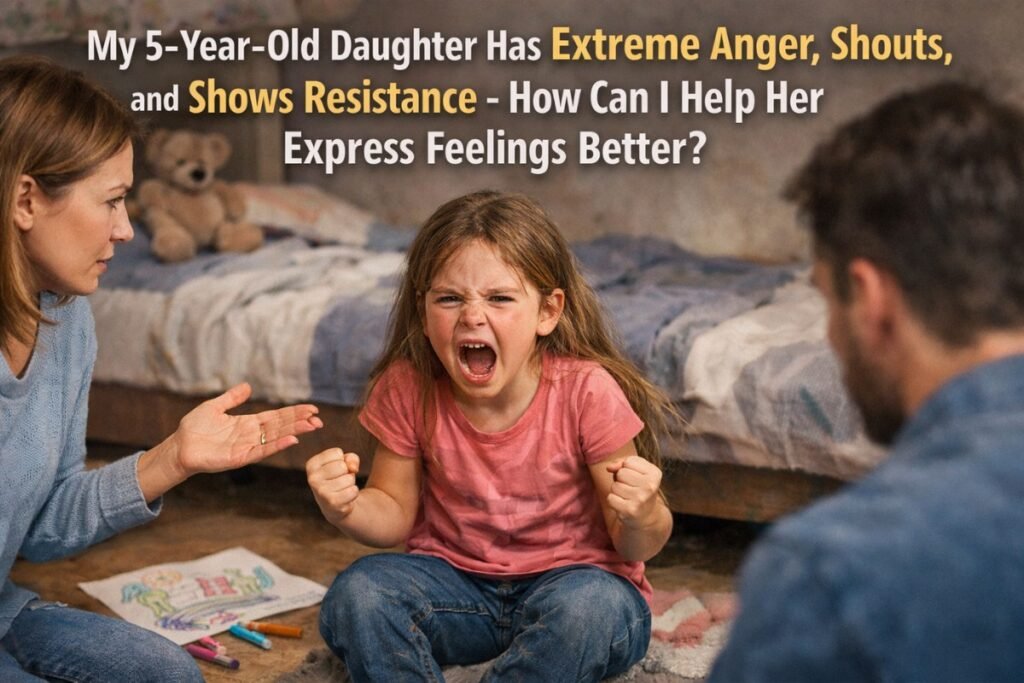
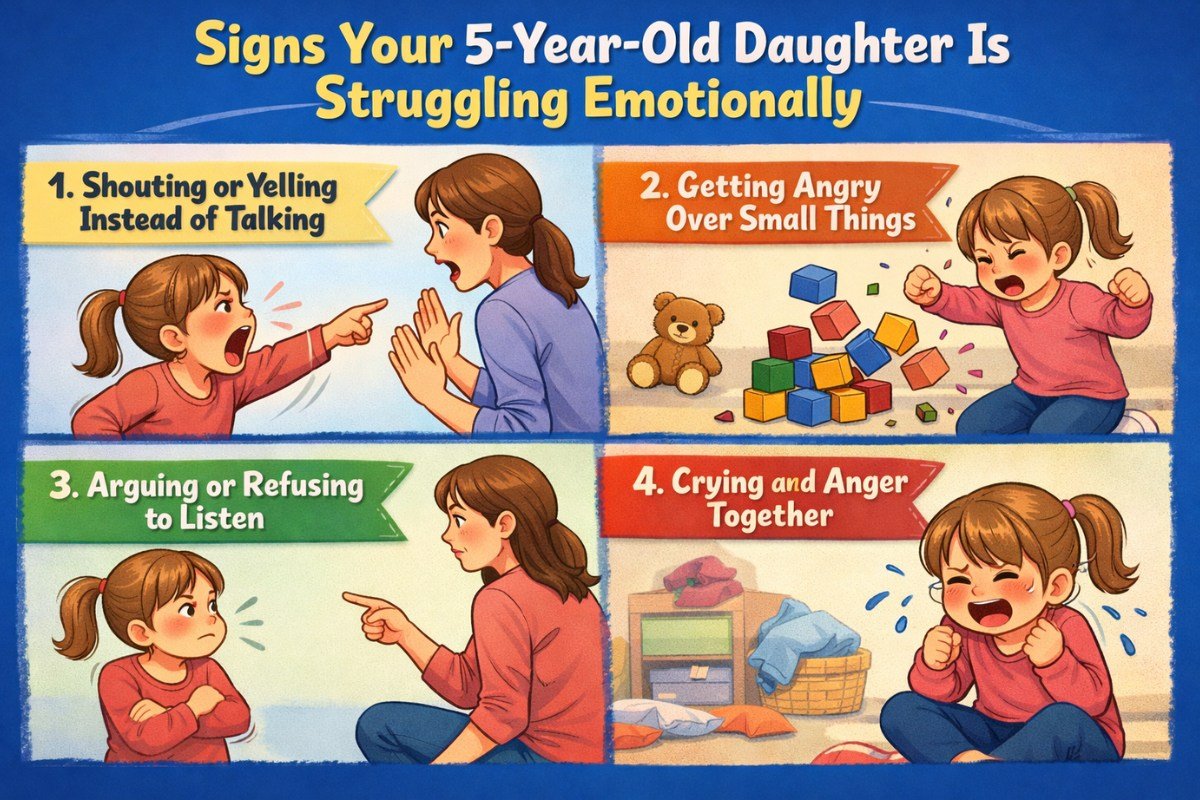
Your child is fine one minute, then suddenly crying, shouting, throwing things or refusing to cooperate because something small went wrong.
When this happens occasionally, it may simply be a difficult moment. But when emotional outbursts happen frequently, parents naturally start wondering whether something deeper is going on.
Frequent emotional outbursts are not a diagnosis. They are a pattern. The useful question is not only how to stop the behaviour, but what keeps pushing your child beyond what they can manage.
Are Frequent Emotional Outbursts Normal in Children?
Some emotional outbursts are a normal part of childhood.
Children are still learning how to tolerate frustration, wait, handle disappointment and calm themselves after becoming upset.
But frequency, intensity and recovery matter.
One large study of 1,490 preschool children found that 83.7% had tantrums sometimes, while only 8.6% had them daily. More concerning patterns tended to be prolonged, unpredictable or destructive. View the study on PubMed
These numbers apply specifically to preschool children, so they should not be treated as universal limits. The important point is that clinicians look at the overall pattern.
Concern increases when outbursts:
- happen very frequently
- seem extreme compared with the trigger
- last a long time
- involve aggression or destruction
- are difficult to recover from
- interfere with school, friendships or family life
So instead of asking only, “How many outbursts are too many?”, it is more useful to ask whether the reactions are becoming unusually intense, frequent or disruptive for your child.
Why Does My Child Keep Having Emotional Outbursts?
An outburst tells you that something became difficult for your child.
It does not automatically tell you why.
Their Emotions Are Bigger Than Their Current Ability to Manage Them
Children differ in how well they handle frustration.
Some can be disappointed and move on quickly. Others react strongly when something does not go as expected.
They may understand the rule perfectly well but still struggle to control the emotional response that follows.
This is why explaining, arguing or lecturing during an outburst often achieves very little. Your child may not need more information in that moment. They may need time to regain control.
Something Keeps Triggering the Same Reaction
Frequent outbursts often follow repeated situations.
Common examples include:
- stopping screen time
- starting homework
- losing a game
- being told no
- leaving somewhere enjoyable
- sibling conflict
- sudden changes in plans
But the trigger is not always the real cause.
A child who cries over homework may actually be afraid of making mistakes or struggling with the work.
A child who becomes extremely upset when screen time ends may find transitions particularly difficult.
Instead of focusing only on what happened immediately before the outburst, look at why that situation is repeatedly difficult for your child.
Your Child May Already Be Overloaded
Sometimes the final trigger is small because your child was already close to their limit.
Poor sleep, hunger, school pressure, sensory overload, difficult friendships, illness, family stress and repeated demands can all reduce a child’s ability to cope with frustration.
This is worth considering when a child comes home from school and suddenly explodes over something that would not normally cause such a strong reaction.
The small event may simply be the last demand of a difficult day.
Sometimes There Is a Wider Emotional or Developmental Difficulty
Frequent emotional outbursts can sometimes appear alongside other difficulties.
For example, anxiety in children may show up as irritability, avoidance or strong reactions when a child feels uncertain or overwhelmed.
Children with difficulties involving attention, impulsivity or transitions may also react strongly when they need to wait, stop an activity or switch focus. LeapHope also supports children experiencing attention and ADHD-related difficulties.
Outbursts can also occur alongside autism or sensory differences, persistent irritability, significant stress or traumatic experiences.
But emotional outbursts alone do not diagnose any of these conditions.
What matters more is the broader pattern of the child’s behaviour, development and everyday functioning.
Why Does My Child Have Emotional Outbursts Only at Home?
Parents often hear:
“Your child is absolutely fine at school.”
That can make the behaviour at home even more confusing.
School and home place different demands on children.
School may provide predictable routines and clear structure. At home, a child may face homework, siblings, screen limits, bedtime, chores and more opportunities for negotiation.
Timing also matters.
A child who has managed their behaviour throughout a long school day may have much less patience and emotional energy left by evening.
It is too simple to assume that children always explode at home because it is their “safe place.”
Instead, look at what changes between environments.
Is your child more tired at home? Are transitions harder? Does the behaviour happen around homework or bedtime? Are sibling conflicts involved?
Those differences can reveal useful clues.

What Can Parents Do When Emotional Outbursts Keep Happening?
- Notice repeated triggers. Look for patterns around screens, homework, transitions, tiredness, losing, correction or being told no.
- Track the pattern for a week. Note what happened before the outburst, what your child did, roughly how long it lasted and how they eventually settled.
- Work on predictable problems early. If leaving the playground causes the same reaction every time, prepare for that transition before the conflict begins.
- Keep communication short during the outburst. Long explanations rarely help when a child is already highly upset.
- Avoid turning it into a long argument. You can maintain a boundary without debating it repeatedly.
- Do not change every rule to prevent an outburst. Consistency helps children know what to expect.
- Pay attention to sleep, meals and downtime. These do not explain every emotional difficulty, but they can make a child more or less able to handle frustration.
- Talk afterwards. Once your child is calm, discuss what became difficult and what might help next time.
When repeated outbursts are affecting daily behaviour at home or school, child behaviour support can help parents understand what is maintaining the pattern.
When Should You Seek Professional Help?
You do not need to wait until the behaviour becomes extreme.
Consider speaking with a professional when:
- outbursts are becoming more frequent or intense
- small triggers regularly produce extreme reactions
- aggression is common
- your child hurts themselves
- property is repeatedly damaged
- calming down regularly takes a long time
- your child seems persistently irritable
- school or friendships are being affected
- family life is increasingly organised around avoiding outbursts
- there has been a sudden major change in behaviour
- reasonable strategies at home have not improved the pattern
Professional support does not automatically mean your child has a disorder.
Sometimes the first goal is simply understanding why certain situations repeatedly overwhelm them and what needs to change.
Families can access online child psychologists in India, while LeapHope also provides child counselling for families in the USA and UK.
Final Thoughts
Frequent emotional outbursts are not automatically a sign that something is seriously wrong.
But when they become intense, persistent or disruptive, they are worth understanding.
Look beyond the explosion itself.
What keeps triggering it? Is your child tired or overwhelmed? Are certain situations consistently difficult? Is the behaviour affecting school, friendships or family life?
Instead of asking only, “How do I stop this behaviour?”, ask:
“What keeps making this situation so difficult for my child?”
That question often leads to a much more useful answer.