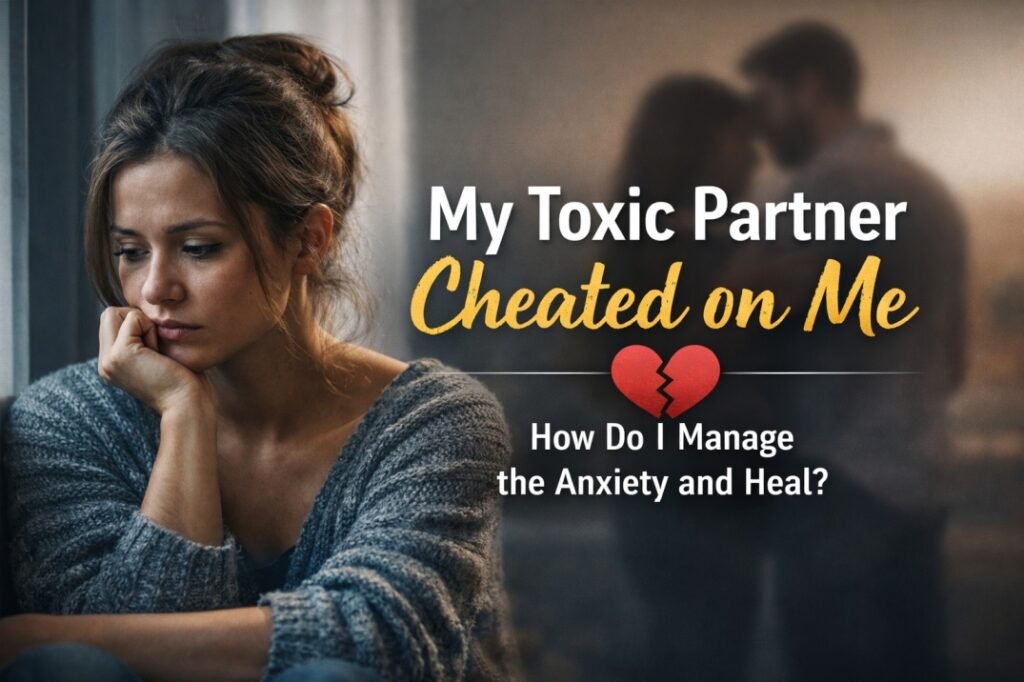
A woman in her early 30s recently came to us for counselling. She said quietly, “I was in a toxic relationship. My partner cheated on me. After the breakup, I thought I would feel relief, but instead I’m dealing with constant anxiety and overthinking. I’m trying to heal, but sometimes the anxiety becomes so intense that I feel close to panic.”
Sadly, her experience is not unusual. We hear similar stories from many women in their 20s and 30s. Some were in clearly toxic relationships, others believed their relationship was loving and stable until the betrayal happened. But the emotional aftermath often looks the same, persistent anxiety, racing thoughts, sleepless nights, sudden waves of panic, and a healing process that feels far slower and harder than expected, even months later.
Being cheated on does not just break your heart, it can shake your sense of safety, trust, and self-worth. Many people feel confused about why they are struggling so much, especially when the relationship is already over. They may wonder, “Why am I still this anxious? Why can’t I move on?”
In this article, we will explain why betrayal, especially by a toxic partner, can trigger intense emotional and physical distress, and why recovery can feel so complicated. More importantly, we will share practical ways to manage the anxiety and begin healing in a healthier, more sustainable way.
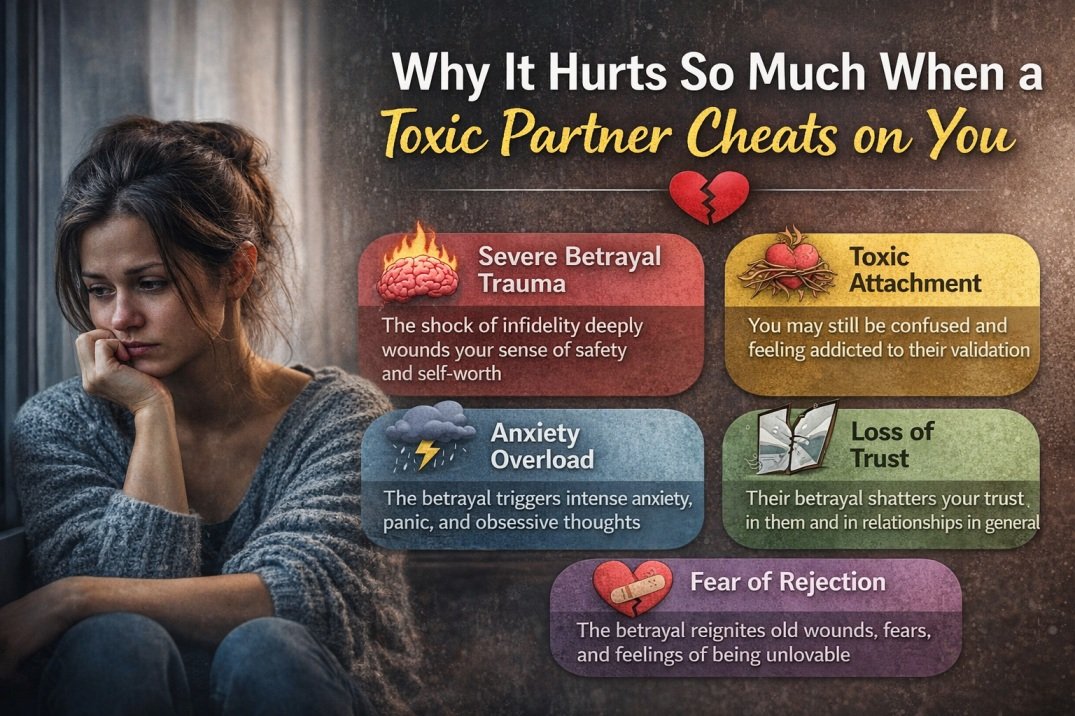
Why It Hurts So Much When a Toxic Partner Cheats on You
Most people do not realise the relationship is toxic at the start. They slowly begin to see it through hurtful behaviour, repeated fights, broken promises, or when friends and family point out that something is not right. Even then, many do not leave. They often believe the partner will change, or that if they love harder, behave better, or prove their worth, things will improve.
Some people become attached very quickly, especially if the relationship felt intense from the beginning. If they grew up fearing abandonment, needing approval, or trying to “earn” love, they may work even harder to keep the relationship. They may start pleasing the partner, apologising often, ignoring their own needs, and trying to be “perfect” so they will not be left. Inside, there is a quiet fear: “If I am good enough, they won’t hurt me or replace me.”
This pattern can come from earlier life experiences for example, inconsistent love in childhood, emotional neglect, or relationships where affection had to be earned. Because of this, separation feels extremely painful, almost like losing safety itself, not just a partner.
When cheating happens, it shatters the belief that all that effort meant something. It can feel like proof that they were never enough, no matter how much they gave. Many people describe a deep inner collapse, loss of trust, loss of self-worth, and a painful question repeating in their mind: “What was wrong with me?” The betrayal does not just break the relationship; it breaks the story they were holding onto about love, loyalty, and their own value.
Why Your Anxiety Feels Out of Control – Panic, Sleeplessness, and Physical Symptoms
After a toxic partner cheats, many people get stuck replaying everything, the relationship, the fights, the breakup, and how deeply they loved and sacrificed. What hurts most is realising how hard you tried while the other person betrayed you so easily. That contrast can be crushing.
The mind keeps searching for answers: What went wrong? What did I miss? Could I have prevented this? Because there are rarely clear answers, the brain stays in “problem-solving mode,” which keeps anxiety high. Instead of calming down, each round of overthinking fuels more fear, doubt, and emotional pain.
Over time, this constant mental loop exhausts the nervous system. Sleep becomes difficult, panic attacks may come suddenly, and you may wake up already tired. Many people feel tightness in the chest or shoulders, headaches, low appetite, and no energy for daily tasks.
It can feel scary and out of control, but this is a common response to deep betrayal. Your mind is trying to make sense of something that feels senseless, and until it feels safe again, the anxiety can keep feeding on those painful thoughts and memories.
Why You Still Feel Attached Even Though They Hurt You
One of the saddest parts after a toxic partner cheats is how your mind turns toward understanding them instead of protecting yourself. You may keep wondering: Why did they do this? Did I do something wrong? Did I ignore their needs? Should I forgive them? Are they hurting too? Will they change if I give one last chance? Even after being betrayed, your concern for them does not disappear overnight.
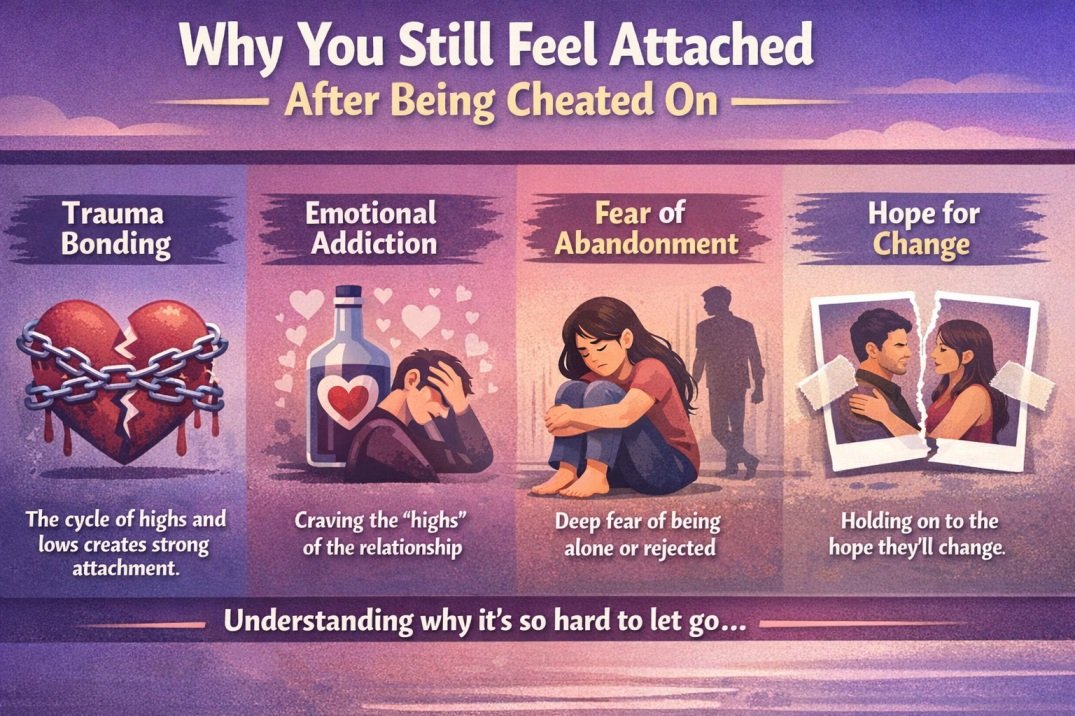
This happens because you did not just love them as a partner, you loved them as a person. You saw their struggles, their good side, and the moments when they were kind or supportive. Even if they were not a good partner overall, you still miss that “good version” of them – the one who comforted you, helped you when no one else did, or shared dreams about the future.
You are also grieving the life you built together. Daily routines, inside jokes, ordinary conversations, and plans that once felt certain suddenly vanish. Habit and emotional closeness do not switch off just because trust was broken. A part of you is still attached to the memories, the familiarity, and the hope you once held.
Feeling this pull does not mean you approve of what happened. It means you formed a real bond. Missing someone who hurt you can exist alongside anger and pain at the same time. It is a normal response to losing not only a relationship, but also the person and the life you thought you had.
Why You Can’t Stop Thinking About What Happened – Overthinking, Paranoia, and Mental Loops
Even when you decide to move forward, your mind may not cooperate. Thoughts about the betrayal can intrude at random times, during work, conversations, commuting, or while trying to relax. You may find yourself zoning out, rereading the same page, or forgetting what someone just said because your attention keeps drifting back to the past.
This mental noise can quietly disrupt everyday functioning. Tasks take longer, motivation drops, and decision-making becomes harder because your brain is already overloaded. Social interactions may feel tiring, and you might prefer to avoid situations that require emotional energy.
At the same time, a constant sense of alertness can develop. You may overanalyse people’s behaviour, assume hidden intentions, or feel uneasy without knowing why. This can create distance from others and reduce your sense of normalcy and ease.
Living with this ongoing mental strain is exhausting. It is like running background processes all day that you cannot shut down, leaving little energy for work, relationships, or self-care. Until the mind feels safer and less threatened, it can keep returning to the event as if it still needs to be solved.
How Betrayal Damages Your Trust and Self-Worth and Makes You Fear It Will Happen Again
Being cheated on by a toxic partner often breaks trust not only in them, but in yourself. Many people question their judgement – How did I miss this? Can I trust anyone, including my own choices? Self-worth can drop sharply, leaving you feeling replaceable or not “enough,” even though the betrayal was not your fault.
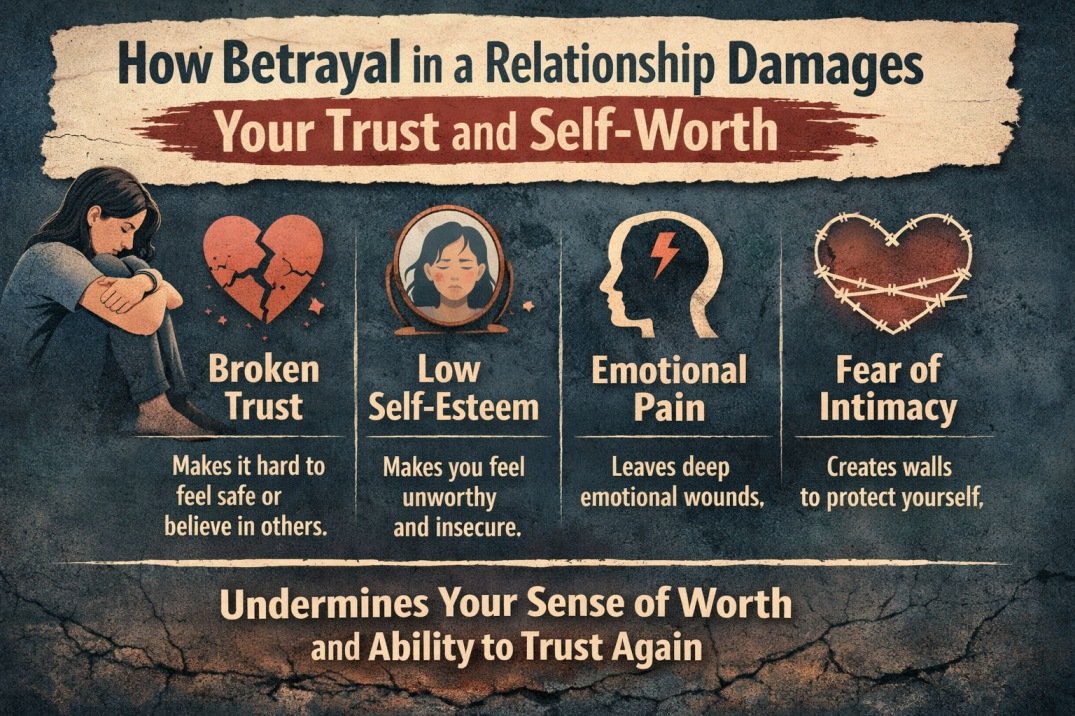
This pain can change how you see all relationships. You may start viewing closeness as risky, assume people will eventually hurt you, or lose interest in dating altogether. Some withdraw emotionally, deciding it is safer to stay alone than to risk another betrayal.
Over time, this fear can shape major life decisions. You might avoid commitment, delay or reject marriage, or struggle to imagine a secure future with someone new. It is not because you do not want love, but because your sense of safety has been shaken. Until trust and self-confidence rebuild, the future can feel uncertain and emotionally dangerous.
Why Healing Feels So Hard After a Toxic Breakup
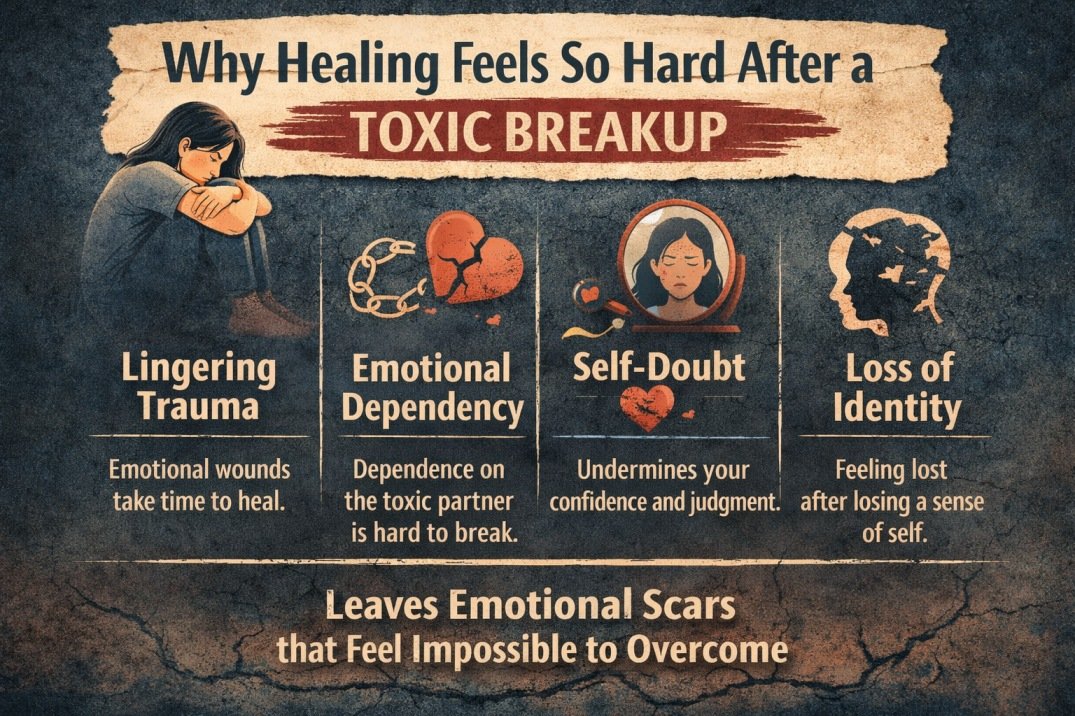
Healing is hard after any loving relationship ends, but it is especially difficult after a toxic one because your mind has been trained by constant highs and lows. Periods of conflict, distance, or hurt were often followed by brief closeness, affection, or promises. Over time, your brain learned to crave those “good moments,” making the bond unusually strong despite the pain.
After the breakup, the absence of that intensity can feel unbearable. Calm, quiet, and being alone may not feel peaceful, they can feel empty, restless, or even frightening. This happens because your nervous system became used to stimulation, tension, and emotional unpredictability as a normal state.
Many people also developed survival habits such as overthinking, people-pleasing, or scanning for signs of trouble. When the relationship ends, those patterns have nowhere to go, so the mind keeps searching for something to focus on. Instead of relief, there can be agitation, loneliness, and a sense that something important is missing.
In a toxic breakup, you are not just missing the person. You are adjusting to life without the emotional intensity your brain adapted to. Learning to feel safe in calm, stable situations again takes time, which is why healing can feel slower and more uncomfortable than expected.
Why the Anxiety Can Last for Months or Even Years
Many people expect the anxiety to calm down within a few weeks or months. They believe that time, distance, new routines, new friends, or simply the absence of the person will make everything fade. While this does happen for some, it is not the same for everyone.
For others, the anxiety can remain just as intense even after six months or years. Some notice it returning when they try to date again or enter a new relationship. This can feel confusing and discouraging, especially when life on the surface seems to be moving forward.
Betrayal by a toxic partner often affects something deeper than temporary emotions. It can shake your core sense of safety, trust, and self-worth. If the relationship lasted a long time for example several years, it may have shaped your nervous system, beliefs about love, and attachment patterns. Your mind learned to live with stress, uncertainty, and emotional swings, and those patterns do not disappear quickly once the relationship ends.
Because of this, healing is not just about “getting over” a breakup. It involves gradually relearning safety, stability, and trust in both yourself and others. That process can take much longer than people expect, especially when the bond was intense and prolonged. The persistence of anxiety does not mean you are broken, it means the experience reached deep, and deeper wounds simply take more time and care to heal.
Realistic Ways to Calm Anxiety After Being Cheated On
There is no quick method to erase anxiety after betrayal, especially when the relationship was toxic. What truly helps is a mix of emotional release, firm boundaries, supportive connection, and daily habits that slowly bring your body and mind back to stability.
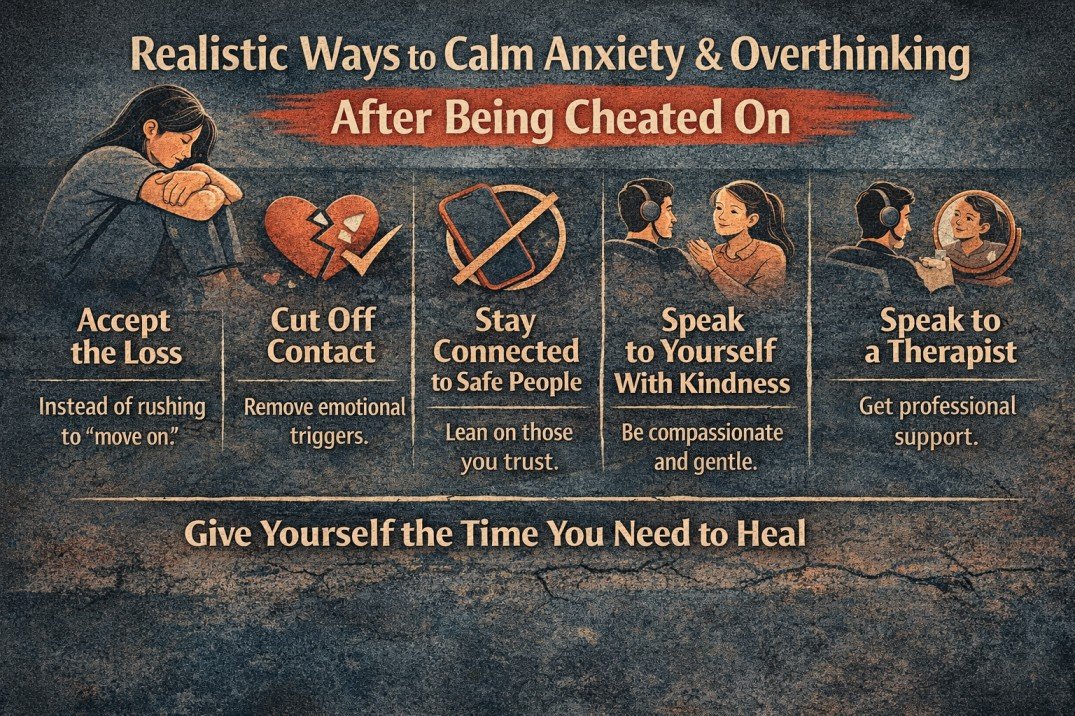
Accept the Loss Instead of Rushing to “Move On”
Many people try to suppress pain or act strong, but unprocessed grief often shows up as anxiety, panic, or irritability. You are not only losing a partner, you are grieving trust, dreams, routine, and emotional safety.
Allowing yourself to feel sadness, anger, or disappointment helps the nervous system process what happened instead of staying stuck in shock.
Create Physical Stability First
An overwhelmed body keeps the mind anxious. Basic care matters more than people realise: regular meals, water, sleep, daylight, and gentle movement. Even short walks or stretching can reduce restlessness and calm stress responses. Think of this as rebuilding your foundation.
Cut Off Contact and Remove Emotional Triggers
Repeated exposure to your ex, through messages, calls, social media, or shared content, keeps reopening the wound. Constant checking may give temporary relief but prolongs distress.
Limiting access to reminders, including songs or places strongly tied to memories, creates space for healing to begin.
Break the Cycle of Rumination
Your mind may try to “solve” the past, but endless analysis rarely brings peace. When you notice thoughts spiralling, shift attention to something concrete in the present, washing dishes, stepping outside, organising a drawer, or focusing on your breathing. Physical action interrupts mental loops.
Stay Connected to Safe People
Anxiety grows louder in isolation. Spending time with calm, supportive friends or family can stabilise emotions even if you are not discussing the breakup. Choose people who offer comfort and perspective, not those who intensify anger or overanalysis.
Challenge Self-Blame and Harsh Thoughts
After betrayal, it is common to question your worth or responsibility. Gently examine these thoughts instead of accepting them as facts. Someone else’s decision to cheat reflects their behaviour and character, not your value. Replacing self-criticism with realistic thinking reduces emotional damage over time.
Speak to Yourself With Kindness
Try speaking to yourself the way you would comfort someone you care about. Gentle, realistic reminders can calm distress and rebuild self-worth. For example:
- “Their choice to cheat does not define my value.”
- “I did the best I could at the time.”
- “It’s normal to feel hurt after betrayal.”
- “I deserve honesty and respect.”
- “Healing takes time, and I am moving forward.”
It may feel unnatural at first, but kinder self-talk can gradually reduce emotional pain and restore confidence.
Seek Professional Support if Needed
If anxiety is severe, persistent, or interfering with daily functioning, therapy can provide structured tools for recovery. A trained professional can help you process the betrayal, rebuild self-esteem, and develop coping strategies tailored to your situation.
What NOT to Do After a Toxic Partner Cheats
When you are deeply hurt, some coping behaviours may feel tempting but can worsen anxiety and delay healing.
- Do not keep checking on them.
Stalking social media, asking about them, or rereading messages keeps the wound open. - Do not blame yourself.
Cheating was their choice, not proof that you were not enough. - Do not rush into a rebound relationship.
New attention may distract you temporarily but does not resolve the pain underneath. - Do not stay in contact hoping they will change.
Ongoing conversations often restart emotional turmoil. - Do not isolate yourself completely.
Too much solitude can intensify overthinking and sadness. - Avoid excessive drinking or unhealthy habits.
Alcohol, substance use, or self-destructive behaviours may numb pain briefly but usually increase anxiety, sleep problems, and emotional instability later. - Do not seek revenge.
Trying to “get back” at them keeps you emotionally tied to the situation and prevents real closure.
Healthy boundaries and self-respecting choices create the space your mind and body need to recover.
Signs You’re Starting to Heal (Even If It Doesn’t Feel Like It)
Healing after betrayal is rarely dramatic or obvious. It usually happens in small, quiet ways that are easy to overlook, especially when you still feel pain.
- You think about them less often.
The thoughts still come, but they no longer dominate your entire day. - The emotional intensity is slowly reducing.
Memories may still hurt, but they feel less overwhelming than before. - You have moments of calm or distraction.
Even brief periods where you feel neutral, focused, or peaceful are signs of progress. - Your daily functioning is improving.
Work, routines, or responsibilities feel slightly easier to handle. - You are less tempted to check on them.
Curiosity may remain, but the urge is not as strong or constant. - You are starting to focus on yourself again.
Interest in hobbies, goals, health, or social life begins to return. - You can imagine a future without them.
It may still feel uncertain, but it no longer feels impossible.
Healing does not mean forgetting or suddenly feeling happy. It means the pain is losing its control over your thoughts, emotions, and daily life, step by step.
When Anxiety After Betrayal May Need Professional Help
Some anxiety is normal after being cheated on, but if it continues to interfere with daily life, professional support can make a significant difference. You do not have to wait until things become unbearable to seek help.
Consider reaching out if you experience:
- Frequent panic attacks or constant anxiety
- Severe sleep problems or exhaustion
- Persistent sadness, hopelessness, or loss of motivation
- Intrusive thoughts you cannot control
- Difficulty functioning at work or in daily responsibilities
- Ongoing fear, distrust, or emotional numbness
An online relationship therapist or clinical psychologist at LeapHope can help you process the betrayal, rebuild self-worth, and develop healthier coping strategies. Therapy is especially useful when the breakup involves a toxic relationship, long-term attachment, or trauma-like symptoms.
Final Thoughts
It is never your fault that someone cheated on you. Their betrayal reflects their choices, not your worth. You gave love, and that is never something to regret.
You are allowed to grieve, but remind yourself that someone who chose to hurt you is no longer worthy of your peace. In moments of anxiety or overthinking, gently ask: Is this person worth my suffering right now? Your heart already knows the answer. The thoughts may continue because your nervous system is processing shock; let them pass without holding on to them.
Reconnect with your standards: I deserve honesty, respect, and stability. I may accept the pain of leaving, but I will not lower my standards to keep someone who cannot meet them.
We wish you strength, patience, and healing ahead. You deserve a love that feels safe and real.