Last Updated on June 4, 2026
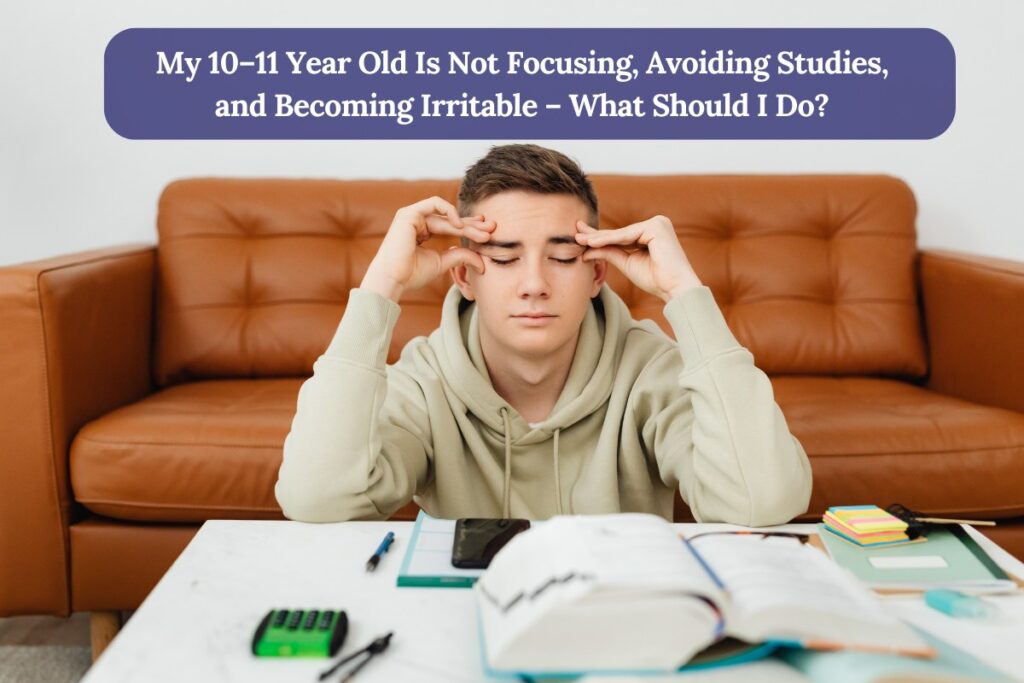
You may have noticed your 10 or 11-year-old struggling to focus on homework, avoiding tasks, or becoming irritable over small things. It can be confusing and worrying, especially when your child usually seemed responsible and capable.
At this age, children are going through big changes. Their brains are developing, their emotions are stronger, and school and friends start feeling more important. All these changes can make it harder for them to concentrate or stay motivated.
It’s normal to wonder whether this is just a phase, laziness, or something deeper. In this article, we’ll explore why attention drops at this age, the difference between laziness and emotional overload, why irritability increases, how school changes affect motivation, and when to consider professional support for issues like anxiety, ADHD, or learning gaps.
Why Attention Drops at This Stage
Sometimes, children have trouble focusing. They may avoid homework, get easily distracted, or lose interest in tasks they used to do without any problem. This can make parents worried, but there are reasons behind it.
Brain Changes
Children’s brains are still growing. They may get distracted quickly or switch between things easily. Tasks that used to be easy can feel harder now, and it’s normal for focus to come and go.
Strong Emotions
Feelings can get bigger and harder to handle. Stress from school, worry about friends, or frustration with work can make a child shut down or avoid studying. Sometimes irritability is just how they show they are overwhelmed.
Friends and Social Life
Friends and social things start to feel very important. A child may think more about what friends are doing than about homework. Wanting to fit in or keep up with peers can take attention away from schoolwork.
School and Learning Changes
Schoolwork can get harder. New subjects, homework, or different teachers can feel stressful. If a child feels confused or behind, they may avoid studying and seem distracted or frustrated.
Children who struggle to focus are usually not lazy. They are dealing with changes in their brain, emotions, school, and social life. Understanding this helps parents respond calmly and support them better.
Difference Between Laziness and Emotional Overload
It can be hard to tell if a child is just being lazy or if they are struggling with too many feelings. Understanding the difference helps parents respond in the right way.

Signs of Emotional Overload
A child may avoid tasks even if they can do them. They might get frustrated quickly, shut down, or seem tired and irritable. Emotional overload often comes with stress, anxiety, or worry that makes it hard for a child to focus.
Children who struggle with focus or irritability may show physical symptoms like headaches, stomachaches, or fatigue. Understanding these physical signs of stress in children helps parents identify underlying emotional issues.
Signs of Laziness
When laziness shows up, a child may put off work without stress or worry. They may seem calm while avoiding tasks and don’t show signs of being upset or anxious. Laziness usually comes with a lack of effort rather than a struggle to cope.
How Parents Can Tell the Difference
- Observe patterns over several days or weeks instead of judging one day.
- Watch for physical signs like fatigue, headaches, or stomachaches that can come with emotional overload.
- Ask gentle questions about feelings, not just tasks, to see if stress or frustration is behind the behavior.
By noticing these differences, parents can support their child better. A child with emotional overload needs understanding and calm guidance, while a child who is lazy may need motivation and structure.
Why Irritability Increases Before Adolescence
Children sometimes seem more irritable or cranky than before. This is normal, but it can also be a sign that they are dealing with stress or big changes inside and outside of school.
Growing Feelings
Children’s emotions feel stronger. They may get frustrated quickly or react more strongly to small problems. They might argue, snap, or sulk when things don’t go their way.
School and Social Pressure
Homework, tests, and classroom expectations can feel overwhelming. Friendships also become more complicated. Worries about fitting in or being accepted by peers can make children tense or grumpy.
Limited Ways to Express Emotions
At this age, children often don’t have the words to explain their feelings. When they can’t express what’s inside, irritability becomes the easiest way to show frustration or stress.
Understanding that irritability is often connected to stress, emotional changes, and social pressure helps parents respond with patience instead of frustration. Calm guidance and empathy can prevent conflicts from escalating.
How School Transitions Affect Motivation
Changes at school can make children lose interest in studies or avoid work. Moving to a new grade, teacher, or school can feel stressful and affect focus and motivation.
New Subjects and Workload
When the lessons get harder or homework increases, children may feel overwhelmed. Tasks that were easy before can now feel challenging, which can make them avoid studying.
Different Teachers or Teaching Styles
Children may need time to adjust to new teachers or teaching methods. Some may feel less confident if the style is different from what they are used to, which can affect their motivation.
Even confident children can have ongoing stress or anxiety that affects attention and motivation. Learning about hidden anxiety children may carry quietly helps parents spot struggles that aren’t obvious.
Friendship and Social Changes
New classmates or shifting social groups can make school feel more stressful. Children may spend more energy worrying about fitting in than on their studies.
Supporting Motivation During Transitions
- Keep routines steady at home to provide a sense of security.
- Talk calmly about school changes and listen to concerns.
- Celebrate small successes to build confidence and interest.
When to Assess for ADHD, Anxiety, or Learning Gaps
Sometimes, persistent struggles with focus, motivation, or irritability may signal that a child needs extra support. Knowing when to seek professional help can make a big difference.
Signs That Suggest an Assessment
- Your child has trouble focusing even with structure and encouragement.
- Avoidance of schoolwork or tasks is frequent and affects daily life.
- Irritability or emotional outbursts are happening often and seem extreme.
- Academic performance drops or social interactions are affected.
Professional Evaluations Can Help
A psychologist, educational specialist, or counselor can:
- Check for ADHD, learning difficulties, or processing challenges.
- Screen for anxiety, stress, or other emotional issues.
- Provide strategies and support tailored to your child’s needs.

How Parents Can Prepare
- Keep notes on patterns in focus, mood, behavior, and school performance.
- Observe without judging or punishing the child.
- Communicate openly with teachers about academic and social progress.
Practical Tips for Parents
Helping a child who struggles with focus, motivation, or irritability takes patience and small, consistent steps. These tips can make a big difference without creating more stress.
Observe Without Judging
Pay attention to patterns in mood, behavior, and school performance. Avoid labeling your child as lazy or difficult. Noticing the patterns calmly helps you understand what is really going on.
Children often avoid explaining their emotions when overwhelmed. Recognizing when a child says “I don’t know” about their feelings can help parents approach focus and irritability with empathy instead of frustration.
Provide Structure and Breaks
Keep a daily routine with clear times for homework, play, and rest. Short breaks during tasks can help your child reset and stay focused. Predictable routines give a sense of security.
Encourage Healthy Emotional Expression
Give your child ways to express feelings safely. This could be drawing, journaling, talking, or physical activity. Validating their emotions instead of dismissing them helps children feel heard.
Balance Support and Independence
Check in gently, but let your child approach tasks at their own pace. Encourage decision-making on small things, like how to organize homework or free-time activities. This builds confidence and responsibility.
Understanding how children understand their emotions as they grow helps parents see why focus and motivation can dip and irritability can rise at this stage. It provides context for normal developmental changes versus deeper struggles.
Collaborate with Teachers and Professionals
Talk with teachers about attention, behavior, and learning. If needed, seek guidance from counselors or educational specialists. Working together ensures consistent support at home and school.
Final Thought
Struggling with focus, avoiding studies, and irritability can be worrying for parents, but it’s often a sign that a child is juggling changes in emotions, school, and social life. These challenges are usually not about laziness—they are a normal part of growing up, though sometimes they can signal underlying issues like stress, anxiety, or learning difficulties.
By observing patterns, staying calm, offering routines, validating feelings, and giving gentle support, parents can help children regain focus and motivation. Collaborating with teachers and seeking professional guidance when needed can also make a big difference.
With patience, understanding, and consistent support, children can learn to manage their emotions, stay engaged in school, and feel confident navigating this stage of growth.