
You waited months to meet your baby. You prepared yourself for labour, pain, and exhaustion. But you probably did not expect the experience to feel frightening or overwhelming.
For some mothers, childbirth does not unfold the way they imagined. There may be sudden medical complications, intense pain, emergency interventions, or moments when they fear something might go wrong. Even when the baby is eventually safe, the experience can leave a deep emotional impact.
Many women feel confused after a traumatic postpartum experience. They love their baby and feel grateful, yet their mind keeps returning to what happened during labour or in the hospital. Memories replay, anxiety lingers, and it becomes difficult to feel at peace with the experience.
Having a baby at 37 can sometimes bring additional medical monitoring and interventions, which may make the birth experience more intense or unpredictable. When events move quickly and feel out of control, it can take time for the mind and body to process what happened.
If your postpartum experience felt traumatic, your reaction is not unusual. Many mothers go through a similar emotional struggle after a difficult birth. Understanding why this happens is the first step toward healing.
When a Birth Becomes Traumatic
A 37-year-old woman came to therapy a few weeks after giving birth. She loved her baby, but her mind kept going back to the delivery room. One moment stayed with her the most. During labour, the baby’s heart rate suddenly dropped and nurses rushed in. Everything started moving quickly. The birth eventually ended in an emergency C-section.
Physically, both mother and baby were safe. But emotionally, she felt shaken and could not stop replaying the experience.
Many women go through similar situations during childbirth. A birth may feel traumatic when unexpected complications happen, such as:
- an emergency C-section after long labour
- the baby’s heart rate suddenly dropping
- severe pain during labour
- heavy bleeding or postpartum hemorrhage
- preeclampsia after delivery
- the baby needing care in the NICU
Trauma is not only about medical danger. Some mothers say the hardest part was how they felt during labour.
For example:
- feeling ignored by medical staff
- experiencing extreme pain
- feeling powerless during labour
When fear, pain, and loss of control happen together, the experience can stay in the mind long after the baby is born.
Why Birth at 37 Can Sometimes Feel More Traumatic
Many women who have a baby at 37 enter pregnancy with a lot of responsibility on their shoulders. They often hear repeatedly about age-related risks, which can make them more alert to anything that might go wrong.
During labour, doctors may also act faster if something looks concerning. This can mean induction, closer monitoring, or quicker decisions about interventions.
When events suddenly change in the delivery room, the experience can feel overwhelming. Some women say they went into labour hoping for a calm delivery but instead found themselves surrounded by urgent medical activity and difficult decisions.
At this stage of life, the emotional pressure can be heavier. When something frightening happens during birth, many mothers replay the experience and question whether they could have done something differently. This is one reason the experience can feel more traumatic for some women.
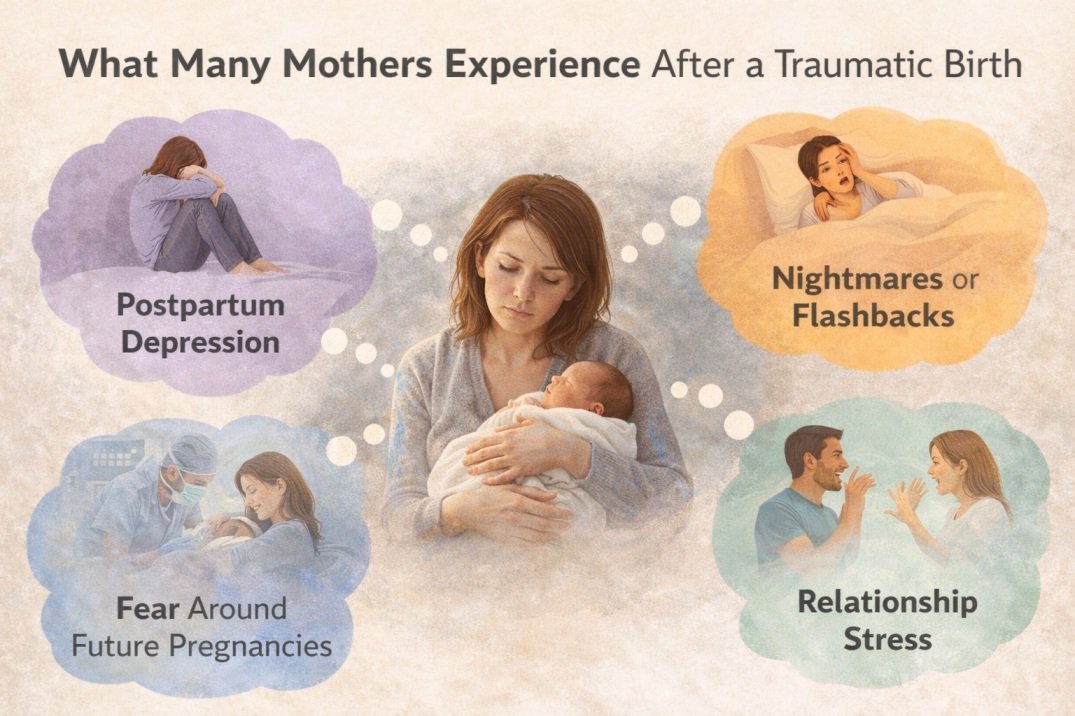
What Many Mothers Experience After a Traumatic Birth
After a traumatic birth, many mothers say the experience does not end when they leave the hospital. In the first days and weeks at home, the mind often keeps going back to what happened in the delivery room.
Reliving the Birth Again and Again
Many women say they replay the entire delivery in their mind. They remember the moment the baby’s heart rate dropped, the rush of nurses into the room, or the moment they realised something was wrong. These memories can come back repeatedly, especially at night when everything is quiet.
Feeling Angry or Dismissed
Some mothers struggle with the way they were treated during labour. They remember telling staff they were in severe pain but being told it was “just pressure.” Others feel frustrated that their concerns were not taken seriously at the time. These moments often stay in their mind long after the birth.
Anxiety About the Baby’s Safety
Even when the baby is healthy, many mothers feel constantly alert. They wake up often to check if the baby is breathing or watch the baby closely while sleeping. The fear they felt during labour can make them worry that something could still go wrong.
Difficulty Talking About the Birth
Some women find it very hard to tell their birth story. When people ask what happened, explaining it can bring back the fear and chaos of the delivery room. Others avoid talking about it completely because it feels too overwhelming.
Feeling That No One Understands
Another experience many mothers mention is feeling dismissed when people say, “At least the baby is healthy.” While they are grateful for their baby, it can feel painful when their own fear and suffering during birth are overlooked.
These experiences are common after a frightening delivery. For some women, these reactions are part of postpartum trauma, and in certain cases they may develop into postpartum PTSD if the memories and anxiety continue for a long time.
Can You Get PTSD From a Traumatic Birth?
Yes. Some women develop postpartum PTSD after a traumatic birth when the mind struggles to process a frightening delivery experience.
Symptoms may include:
- intrusive memories of the birth
- nightmares about the delivery
- avoiding reminders such as hospitals or birth discussions
- intense anxiety when thinking about the event
- emotional numbness or feeling disconnected
Experiencing these symptoms does not mean you are weak. It often means the brain is still trying to process an overwhelming experience.
Why Your Mind Keeps Replaying the Birth
When something frightening or overwhelming happens during childbirth, the brain processes the memory differently. Instead of settling as a normal memory, the event stays active in the mind.
In these situations:
- the brain stores the event differently because it felt like a threat
- the nervous system stays on high alert for some time
- memories may replay repeatedly as the brain tries to process what happened
This is why many mothers say they keep reliving certain moments from the delivery, especially the point when things suddenly went wrong.
After a difficult birth, emotional stress can also affect relationships. Some couples notice they start arguing more in the early months. You can read more about why couples start fighting after having a baby and how to handle it.
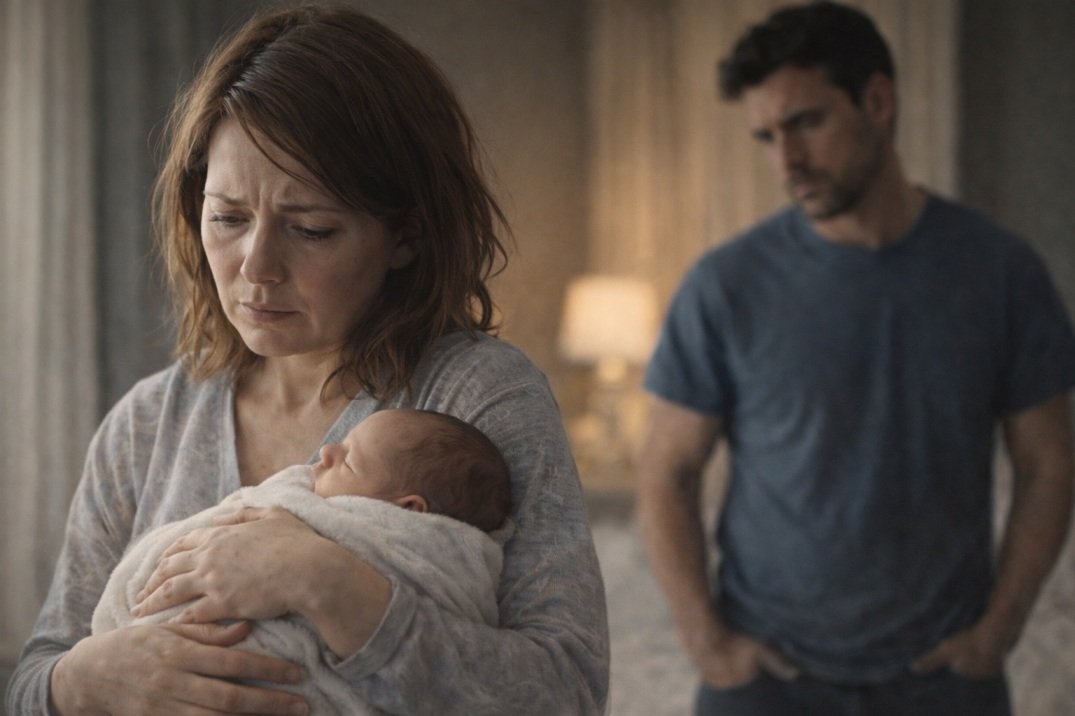
How to Start Healing After a Traumatic Birth
Healing often begins when the experience is slowly processed rather than pushed away. Many mothers find that a few practical steps help them make sense of what happened.
1. Talk About the Birth Experience
Talking about the delivery with a therapist, partner, or trusted person can help. When the story is shared and explained, the brain slowly begins to organise the memory instead of replaying it repeatedly.
2. Trauma-Focused Therapy
Some mothers benefit from therapies designed for trauma, such as:
- EMDR (Eye Movement Desensitisation and Reprocessing)
- Trauma-focused CBT
These approaches help the brain process distressing memories in a structured way.
3. Write Your Birth Story
Writing down the birth experience can help some mothers understand what happened step by step. Many women say journaling allows them to release emotions that stayed bottled up after delivery.
4. Give Your Body Time to Recover
Childbirth places intense stress on the body. Pain, exhaustion, and hormonal changes can make emotional recovery harder. Rest, proper care, and gradual physical healing can also support mental recovery.
5. Connect With Mothers Who Understand
Talking with other mothers who have gone through difficult births can reduce the feeling of isolation. Support groups or online communities often help women realise they are not alone in their experience.
How Long Does Postpartum Trauma Last?
For many mothers, the first few weeks after birth are the most difficult. During this time, memories of the delivery may feel very intense and emotional.
As the body recovers and daily life with the baby becomes more stable, these reactions often start to ease. For many women, symptoms gradually improve over the next few months.
With the right support, and sometimes therapy, most mothers are able to process the experience and regain emotional balance over time.
A Gentle Reminder for Mothers Healing From Birth Trauma
If you are struggling after a difficult birth, it does not mean you are ungrateful for your baby. Many mothers feel deep love for their child while still feeling shaken by the experience that brought them into the world.
It is possible to feel both things at the same time, joy for your baby and grief for what happened during labour.
Healing from birth trauma does not happen overnight. But with time, support, and space to process the experience, many mothers gradually begin to feel more settled and at peace again.
If you are struggling after a traumatic birth, speaking with an online clinical psychologist experienced in birth trauma can help you process the experience and start healing.
FAQs
Is it normal to feel traumatised after giving birth?
Feeling traumatised after giving birth can happen when labour was frightening, painful, or felt out of control. Many mothers replay the experience, feel anxious, or struggle to talk about the birth. These reactions are common after a difficult delivery.
Why do I keep reliving my birth experience?
Reliving the birth experience often happens because the brain is still trying to process what happened. When childbirth involved fear, pain, or sudden medical events, the memory can replay repeatedly until the mind gradually makes sense of it.
How do I stop thinking about my traumatic birth?
Stopping intrusive thoughts usually takes time. Talking about the birth with a therapist, writing the experience down, and slowly processing what happened can help the brain organise the memory so it stops replaying as often.
Can a traumatic birth cause postpartum depression or anxiety?
Traumatic birth can increase the risk of postpartum depression and anxiety. When a delivery involves fear, medical emergencies, or feeling powerless, the emotional stress can continue after the baby is born.
Will the memories of a traumatic birth ever fade?
For many mothers, the memories become less intense with time. In the first weeks they may feel very vivid, but as the experience is processed and life settles into a routine, the emotional impact usually reduces.