Last Updated on February 13, 2026
You notice it one night, things don’t work the way they used to. At first, you brush it off. But when it happens again, worry creeps in. Is it stress? Age? Or something bigger?
If this feels familiar, you’re not alone. In 2026, studies show that over 35% of men under 40 report erectile dysfunction (ED) at least once a month, a number that’s steadily rising with stress, social media anxiety, and lifestyle shifts.
Erectile dysfunction (ED) is the ongoing difficulty in getting or keeping an erection firm enough for satisfying sex. It can be physical (like heart disease, diabetes, or low testosterone), psychological (stress, anxiety, porn overuse), or a mix of both.
This doesn’t mean you’re broken, weak, or unlovable. ED is one of the most common and most treatable sexual health issues today. With modern medicine, therapy, and even lifestyle tweaks, most men see major improvements.
Causes of Erectile Dysfunction in 2026
Erectile dysfunction is not only about aging or medical conditions anymore. The pressures of modern life are shaping how men experience sex and intimacy. Here are the most common causes showing up:
Processed Food and Lifestyle
- Ultra-processed food lowers testosterone and hurts blood flow.
- Energy drinks and high sugar diets leave the body drained.
- Long sitting hours from remote work slow circulation and reduce stamina.
Porn and Digital Overload
- Constant porn use trains the brain to expect endless novelty.
- Dating apps make real-life sex feel less stimulating.
- Late-night scrolling cuts into sleep, lowering hormone levels.
Stress and Mental Health
- Financial stress and job insecurity create chronic anxiety.
- Always-on work culture leaves men mentally exhausted.
- Burnout blocks sexual focus, even in loving relationships.
Medications and Quick Fixes
- Antidepressants and anxiety meds often reduce libido.
- Testosterone boosters and “male enhancement” supplements can backfire.
- Hidden ingredients in unregulated pills may worsen ED.
Shifts in Relationships
- Open or long-distance relationships increase performance pressure.
- Fear of ghosting or rejection adds anxiety in new dating situations.
- Emotional distance in couples can make intimacy feel like a test.
Symptoms of Erectile Dysfunction
Erectile dysfunction is not just about “not getting it up.” The signs can show up in different ways, sometimes slowly and sometimes all at once. Recognizing them early helps men separate a one-time struggle from an ongoing issue.
Common Symptoms
- Trouble getting an erection even when you feel desire.
- Erections that are not firm enough for penetration.
- Erections that fade quickly during sex.
- Reduced interest in sex, even when emotionally connected.
- Longer recovery time between sexual activity.
Psychological Signs
- Anxiety before or during intimacy.
- Worry about performance that makes the problem worse.
- Avoidance of sex due to fear of failure.
- Feeling embarrassed, ashamed, or less masculine.
What It Feels Like in Real Life
- You might notice sex feels more stressful than enjoyable.
- You may feel disconnected from your body, as if desire is there but the response is not.
- Some men describe it as being “mentally ready but physically shut down.”
ED does not look the same for everyone. For some, it’s an occasional disruption. For others, it becomes a pattern that affects confidence, relationships, and mental health.
Erectile Dysfunction by Age in 2026
Erectile dysfunction was once thought of as an “older man’s problem.” But research shows it can affect men at any stage of life. The causes and experiences often look different depending on age.
In Your 20s and 30s
- Rising reports of ED linked to porn use and performance anxiety.
- Stress from money, careers, and social media pressures.
- Sleep loss and poor diets that lower testosterone levels.
- Studies show around 1 in 4 men under 30 experience ED at least once a month.
In Your 40s
- Health issues like high blood pressure, weight gain, and diabetes start to appear.
- Long work hours and family stress affect energy and intimacy.
- Relationship ruts can make sex feel routine, adding to performance pressure.
In Your 50s and Beyond
- Blood flow and hormone levels naturally decline with age.
- Medications for chronic conditions often add side effects.
- Emotional intimacy can stay strong, but physical response becomes less reliable.
- By age 50, more than 40% of men report some form of ED.
Why It Matters Now
- Younger men often blame themselves, not realizing ED can be psychological.
- Older men may accept ED as “normal aging,” even when treatments are available.
- Across all ages, the shame around ED prevents many from getting help early.
Treatments for Erectile Dysfunction in 2026
Erectile dysfunction is one of the most treatable sexual health concerns. The options go beyond just a pill, giving men more ways to improve sexual function depending on the cause.
Lifestyle and Natural Approaches
- Regular exercise improves blood flow and testosterone levels.
- Diets rich in whole foods, omega-3s, and antioxidants support vascular health.
- Stress management practices like mindfulness or therapy reduce anxiety-driven ED.
- Quitting smoking and limiting alcohol often lead to noticeable improvement.
Medications and Medical Treatments
- PDE5 inhibitors (Viagra, Cialis, Levitra) remain first-line treatments.
- Generic versions make these more affordable than ever.
- Testosterone therapy is considered for men with proven low levels.
- Vacuum erection devices, injections, and implants are options when pills do not work.
New and Emerging Options
- Shockwave therapy is being studied as a way to improve blood vessel health.
- Telehealth platforms now connect men to ED treatment discreetly and quickly.
- AI-driven health apps track patterns in sleep, diet, and stress to personalize treatment.
- Regenerative medicine, like platelet-rich plasma (PRP) injections, is still experimental but gaining attention.
Psychological and Relationship Support
- Sex therapy helps address performance anxiety and intimacy blocks.
- Couples counseling supports partners who feel distance from ED.
- Reducing shame and opening communication often make medical treatments more effective.
Erectile dysfunction treatment works best when it targets both body and mind. Many men improve within weeks once they take the first step toward help.
Diagnosis of Erectile Dysfunction
Erectile dysfunction is not diagnosed from a single night of difficulty. Doctors usually look at patterns, overall health, and emotional factors before confirming it. Diagnosis combines both medical testing and lifestyle review.
Medical Evaluation
- A detailed medical history, including chronic conditions like diabetes or heart disease.
- Review of medications that may affect sexual performance.
- Physical exam to check circulation, nerves, and hormone-related signs.
Lab Tests and Screenings
- Blood tests to measure testosterone, cholesterol, and blood sugar.
- Urine tests to check for diabetes or kidney problems.
- Blood pressure checks, since hypertension is closely linked with ED.
Psychological Assessment
- Questions about stress, depression, anxiety, and relationship dynamics.
- Screening for performance anxiety or porn-related desensitization.
- Exploration of sleep quality and daily stress levels.
Why Diagnosis Matters
- Many men assume ED is “just aging” and never seek medical help.
- Proper diagnosis separates temporary issues (like stress) from chronic conditions.
- Catching underlying problems early, such as diabetes or heart disease, can prevent larger health risks.
Should You Feel Ashamed About Erectile Dysfunction?
Shame is one of the heaviest parts of erectile dysfunction. Many men stay silent for years, convinced it makes them less masculine or less desirable. But the truth is different.
Why Shame Shows Up
- Cultural pressure tells men their worth is tied to sexual performance.
- Social media highlights perfect bodies and confident intimacy, creating unfair comparisons.
- Silence around men’s health leaves many thinking they are the only one struggling.
What’s Real
- ED is one of the most common sexual health issues worldwide.
- It affects men of every age, income level, and relationship status.
- Most cases are treatable with the right mix of lifestyle changes, medical help, and support.
Why You Don’t Need to Carry Shame
- Struggling with ED does not mean you are weak or broken.
- Having trouble does not erase your ability to be loved or to love someone fully.
- Talking about it often reduces anxiety and helps treatment work better.
ED may feel deeply personal, but it is not a personal failure. The more openly it is discussed, the easier it becomes to see it as a health condition, not a reflection of who you are.
Can Erectile Dysfunction Ruin a Relationship?
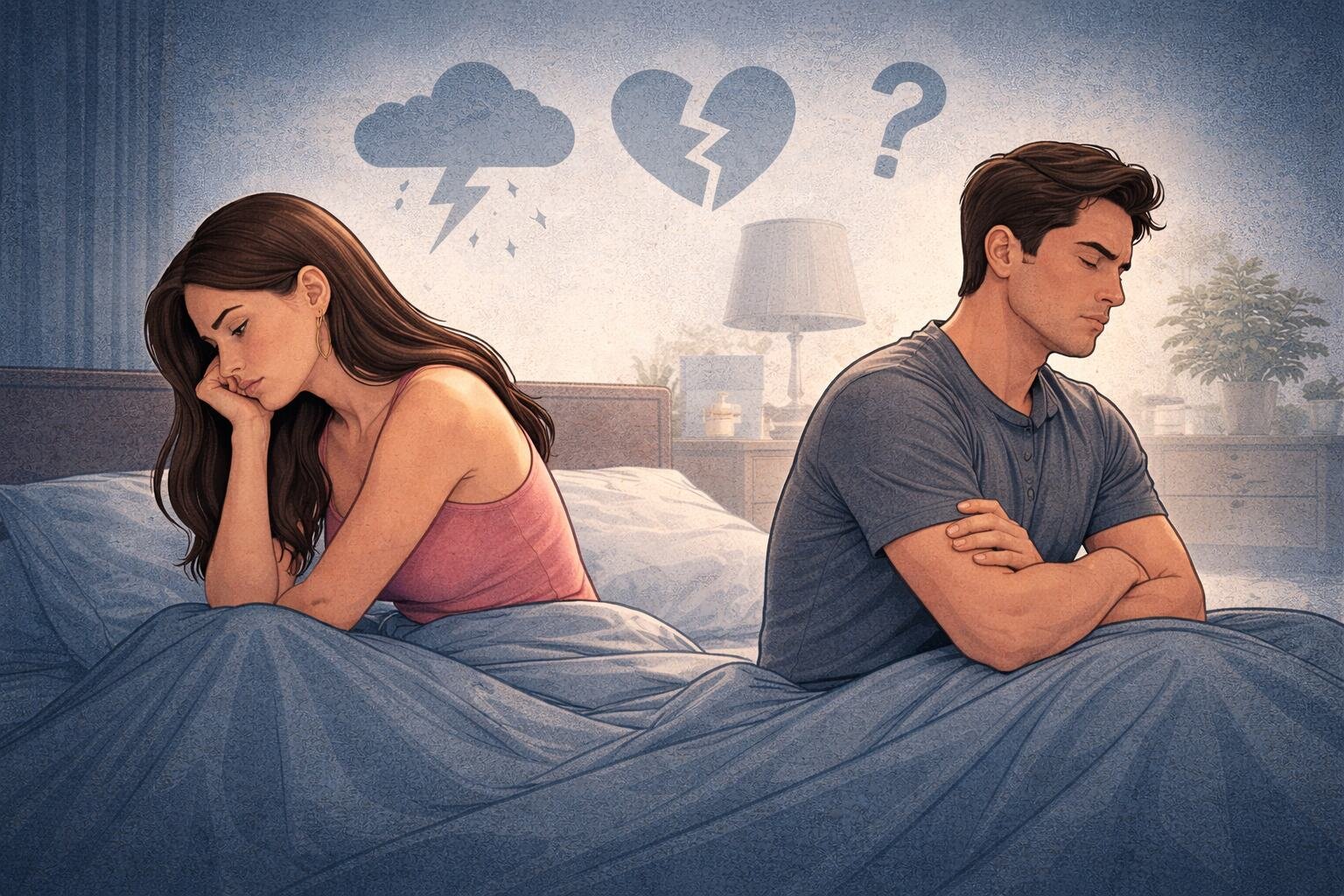
Many men fear that ED will push their partner away. Silence makes the distance worse: one person feels embarrassed, the other feels unwanted. But erectile dysfunction does not have to end intimacy or connection.
How ED Affects Couples
- Partners may misinterpret ED as a lack of attraction.
- Men often withdraw emotionally to avoid embarrassment.
- Avoiding sex can slowly reduce closeness and create frustration.
What Helps Relationships Survive ED
- Talking honestly about the issue, rather than hiding it.
- Exploring intimacy beyond penetration – touch, kissing, and non-sexual closeness.
- Seeking treatment together so it feels like a shared challenge, not a private failure.
The Reality in 2026
- More couples are open to therapy, both online and in person.
- Telehealth makes it easier to address ED without long waits or awkward visits.
- Studies show couples who face ED as a team report stronger emotional intimacy over time.
ED can create tension, but it can also be a turning point. Facing it openly often deepens trust instead of breaking it.
Final Thoughts
Erectile dysfunction is not the end of your story. It is not proof that you’re broken, unworthy, or any less of a man. What you are experiencing is something countless others face too even if no one around you talks about it.
Life pulls at men in ways that past generations never faced. Processed food, constant screens, money stress, and performance pressure all of these weigh on the body and the mind. ED is often the body’s way of saying: slow down, something needs care.
The most important truth? You don’t have to face this alone. Help no longer means sitting in a waiting room, dreading the conversation. Online therapy and telehealth make it possible to get support privately, from the safety of home. For many men, that first honest talk with a therapist or doctor becomes the turning point.
ED doesn’t erase your ability to connect, love, or be loved. Seeking help is not weakness, it is one of the strongest choices you can make for yourself and your relationship. Healing is possible, intimacy is possible, and a fulfilling sex life is possible.
FAQs About Erectile Dysfunction
Is erectile dysfunction psychological or physical?
Erectile dysfunction can be both. Physical causes include diabetes, heart disease, high blood pressure, and low testosterone. Psychological causes include stress, anxiety, depression, and relationship issues. In many cases, it is a combination of physical and emotional factors.
Can stress and anxiety cause erectile dysfunction?
Yes. Stress and performance anxiety are among the most common causes of erectile dysfunction, especially in younger men. When the mind is under pressure, the body struggles to respond sexually.
Can porn use cause erectile dysfunction?
Heavy or long-term porn consumption can affect arousal patterns in some men. It may reduce sensitivity to real-life intimacy and increase performance pressure, which can contribute to erectile difficulties.
Is erectile dysfunction common in younger men?
Yes. Erectile dysfunction is no longer limited to older men. Stress, digital overstimulation, poor sleep, and anxiety have increased ED cases in men under 40.
Can erectile dysfunction be cured naturally?
In many cases, yes. Lifestyle changes such as regular exercise, improved diet, better sleep, reduced alcohol intake, and stress management can significantly improve symptoms. Psychological support can also help when anxiety is involved.
When should I see a doctor for erectile dysfunction?
If erectile difficulties continue for more than a few weeks, happen frequently, or affect your confidence or relationship, it is advisable to seek medical guidance. ED can sometimes signal underlying health conditions that need attention.
Is erectile dysfunction permanent?
Not always. Many men improve with proper treatment, lifestyle adjustments, or counselling. Permanent cases are less common and usually linked to chronic medical conditions.
Can relationship problems cause erectile dysfunction?
Yes. Ongoing conflict, emotional distance, resentment, or lack of intimacy can directly affect sexual performance. Addressing relationship tension often improves sexual function.