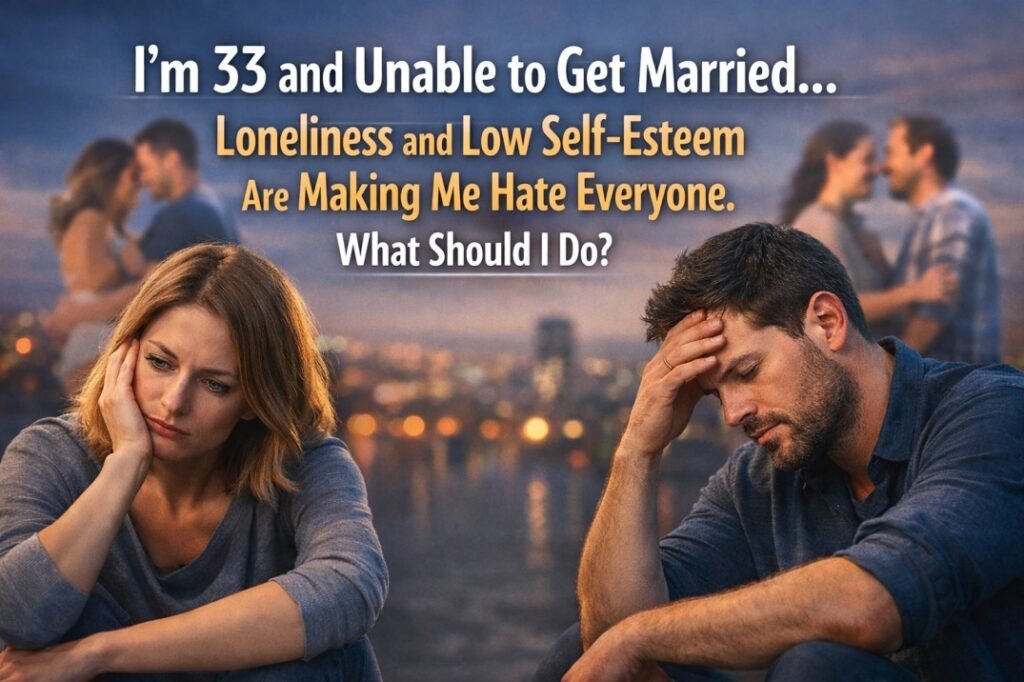
Our psychologist at LeapHope recently counselled a 33-year-old woman who had been seriously trying to get married. She was meeting men, going through introductions, having conversations but nothing was leading to a stable relationship.
Over time, the repeated disappointments began to affect her deeply. She described feeling intensely lonely, losing confidence, and becoming increasingly sensitive to others’ happiness and progress.
“I feel so lonely… my self-esteem is gone, and I’m starting to hate everyone.”
Not because she was a hateful person, but because the constant effort without results had left her exhausted and hurt.
If you are in your 30s, actively trying to find a partner, and starting to feel worn down, insecure, or resentful, you are not alone. This situation can take a real emotional toll, especially when it feels like everyone else is moving forward while you remain stuck.
In this article, we’ll explore why this experience can feel so overwhelming and what can actually help you cope and regain a sense of stability and hope.
When Being Single at 33 Starts to Feel Scary Instead of Normal
For many people, being single at 33 isn’t because they “failed” at relationships. They were building careers, becoming stable, enjoying independence, or waiting for the right person instead of settling. At the time, it felt like the sensible choice.
But now life around them has shifted. Friends are married, busy with families, and less available. Meeting new people is harder, and when you do, something often doesn’t align. It can start to feel like the good partners are already taken, and that you may have missed the right window.
Past dating experiences also take a toll. After disappointments or situations that went nowhere, you may not have the same energy to start over repeatedly. At the same time, hearing about unhappy marriages around you creates confusion, rushing feels risky, but waiting feels scary too.
Family and social comments intensify this pressure. Even with a successful career or independent life, singleness can start to feel like a visible “failure.” What once felt normal begins to feel uncertain, lonely, and urgent as if time is moving forward and you’re stuck in place.
Why Loneliness in Your 30s Can Feel So Much Heavier Than Before
Loneliness in your 30s often deepens because life around you constantly highlights what you’re missing. In everyday conversations with friends, family, or colleagues, you hear how comforting it is to have someone waiting at home, how meaningful it feels to share life with a partner or children. Even when people complain about marriage, there’s still a sense that they’re not alone.
By this stage, you may have worked hard to build a career and independence. Now, instead of chasing goals, you start craving companionship, someone to share ordinary life with.
Living alone makes this absence more visible, especially during:
- Evenings when you return to an empty home
- Weekends while others are with partners or family
- Holidays and celebrations
- Times when you are sick, stressed, or overwhelmed
Dating often doesn’t fill this gap anymore. Short-term connections can’t replace the stability of a committed partner, someone who knows you, supports you, and is simply there at the end of the day.
Persistent loneliness can sometimes develop into more serious low mood or depression symptoms if left unaddressed.

How Struggling to Find a Partner Can Slowly Damage Self-Worth
When you start seriously meeting people for marriage in your 30s, many are surprised by how hard it feels to find someone genuinely ready for a stable partnership. People may be successful and settled, but not always emotionally available or aligned. Some seem to want marriage mainly to satisfy family or social expectations, while others carry baggage, distrust, or burnout from past experiences.
After several meetings that feel awkward, transactional, or mismatched, confidence begins to drop. You may start questioning yourself – Is the problem them, or me? Did I wait too long? Fear of missing out grows stronger, and past decisions come under harsh scrutiny.
Unlike the 20s, where relationships often grow naturally while people build their lives together, the 30s can feel more guarded. People are more set in their habits, cautious, sometimes emotionally distant. For someone hoping for warmth and partnership, this can be deeply discouraging.
Repeated disappointments slowly chip away at self-worth. You may start feeling undesirable, unlucky, or “too late,” even if nothing is fundamentally wrong with you. Over time, the search itself begins to feel like proof that you’re not being chosen and that belief can be far more damaging than singleness alone.
Why You May Feel Angry, Bitter, or Like You Hate Everyone
Maybe you started looking for a partner in your late 20s without much urgency. You rejected profiles over small issues, ignored some decent matches, or assumed you would find someone better later. It didn’t feel risky at the time.
But after years of repeating the same cycle – introductions, conversations, meetings that go nowhere, the process itself becomes exhausting. What once felt hopeful starts to feel irritating and pointless. You may begin questioning everything: Is marriage even necessary? Why is it so hard to find one good person? Did I make mistakes earlier?
Anger as a Shield for Deeper Pain
As frustration builds, it often turns into anger. Not because you truly hate people, but because hope has been hurt too many times. Regret, disappointment, and fear about the future can easily shift into irritation or numbness.
Family reactions can intensify this. People who once praised your career or independence may now dismiss those achievements, saying things like, “What’s the use of success if you’re still not married?” Hearing this repeatedly can make you feel judged or reduced to a single outcome, no matter what else you’ve accomplished.
Constant Triggers That Keep Reopening the Wound
Marriage-related conversations start to feel personal everywhere at work, in social circles, and at family gatherings. Casual comments, jokes, or questions can sting more than others realise.
- “Your turn next” remarks
- Discussions about spouses or children
- Subtle comparisons with peers
- Advice you didn’t ask for
Over time, even normal interactions can feel like reminders of what you don’t have. The resentment that grows is less about others’ happiness and more about carrying years of unmet hope and pressure without relief.
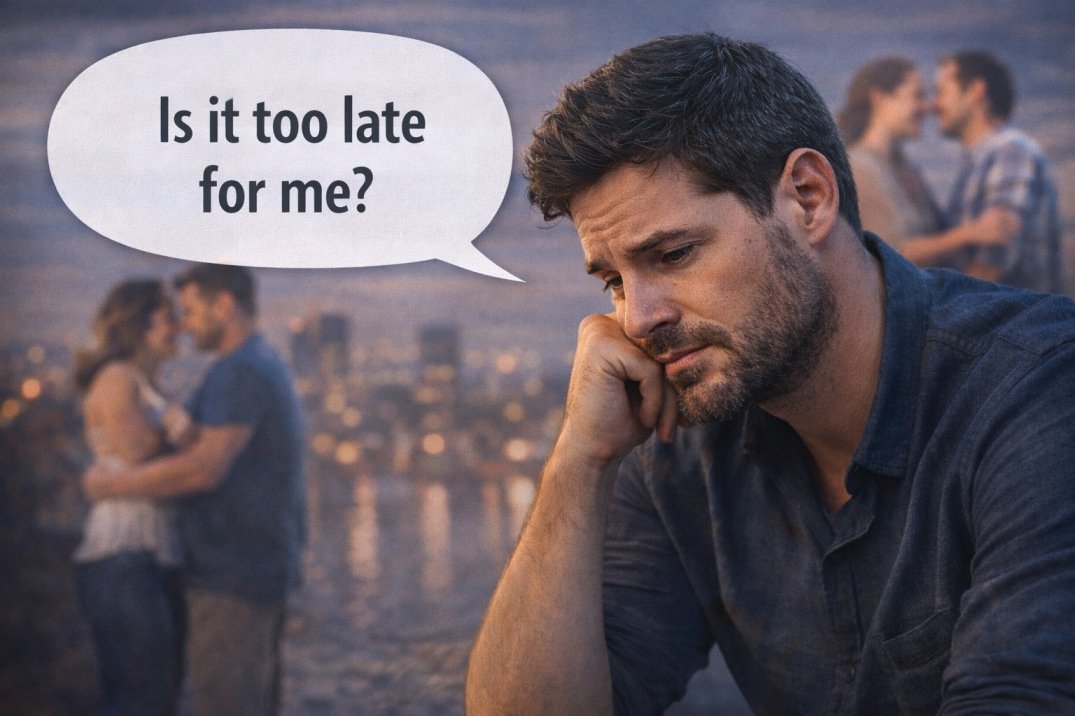
The Pressure Factor, From Family, Society, and Yourself
By your 30s, marriage pressure becomes part of everyday life. Family members ask for updates, relatives suggest matches, and people offer advice you didn’t ask for. Even casual conversations can turn into reminders that you are “still” unmarried.
Society also sends a clear message about timelines. Marriage is treated as proof that life is on track, so even if you are financially stable and doing well professionally, it can start to feel like one missing box cancels everything else.
You may hear fear-based comments about age or “good matches running out.” Over time, these don’t just stay outside, they start echoing in your own mind. You replay past decisions, regret people you rejected, or wonder if you waited too long.
What makes it worse is how this pressure changes your behaviour. You may start meeting people even when you feel drained, agreeing to conversations you’re not comfortable with, or constantly thinking about marriage even during work or daily tasks. Instead of feeling hopeful, the process starts to feel like a deadline you’re failing to meet, which quietly erodes confidence and peace of mind.
What Actually Helps When You Feel Stuck, Lonely, and Hopeless
Rebuild Safe, Consistent Human Contact
Start by reducing how much time you spend completely alone. You don’t need a big social circle – just a few steady connections. Meeting one friend regularly, spending time with family, or having someone you can talk to honestly can make you feel far less isolated.
Put Structure Back Into Your Days
Long, unplanned evenings and weekends often make everything feel heavier. Simple routines that get you out of the house help – a daily walk, gym time, working from a café, or a weekly class. The goal isn’t to stay busy, but to avoid being alone with your thoughts for too long.
Watch for Avoidance Patterns
Many people cope by withdrawing. You may start declining invitations, staying home more, drinking to relax, binge-watching late into the night, or scrolling for hours. It feels easier in the moment but usually deepens loneliness. Small steps back into normal life help more than sudden big changes.
Rebuild Self-Worth Outside Marriage
When marriage becomes the only missing piece, everything else can start to feel meaningless. Focus on areas where you are already capable — work, health, skills, hobbies, or responsibilities. This rebuilds confidence that doesn’t depend on relationship status.
Process the Pain Instead of Carrying It Alone
What you’re feeling is accumulated disappointment, not just loneliness. Talking to a trusted person or a professional can help you release that pressure and gain perspective. It can also help with sleep problems, anxiety, and persistent low mood that often come with long-term stress.
These steps won’t instantly bring a partner, but they can make daily life feel lighter and more stable. And when you feel steadier, hope tends to return naturally.
How to Move Forward Without Panic, Desperation, or Giving Up
In your 30s, age pressure can feel intense for both men and women. Women often hear warnings about timelines or “running out of options,” while men may face pressure to be fully settled before marrying. Either way, it creates a feeling that you must hurry or risk missing your chance.
This urgency can push you toward extremes, agreeing to unsuitable matches just to move forward or withdrawing completely to avoid more disappointment. A healthier approach is to slow down internally and focus on compatibility, not just timing.
By this stage, you usually know what you can and cannot accept – respect, values, lifestyle, emotional stability. Staying open to imperfect people is important, but settling out of fear often leads to bigger problems later.
It also helps not to put life on hold while waiting for marriage. Continue building stability, friendships, health, and a life you enjoy now. This reduces desperation and gives you a stronger foundation for any future relationship.
You don’t need certainty about when things will happen. You just need to move forward in a way that protects your dignity, wellbeing, and long-term happiness.
Final Thoughts
Many people go through this struggle quietly, even though it may seem like everyone else has life sorted. Feeling lonely, pressured, or left behind in your 30s is far more common than people admit.
Being unmarried at 33 does not define your worth or your future. Life paths are rarely as linear as society suggests. Many people find meaningful relationships later, while others build fulfilling lives in different ways.
What matters most is not turning this phase into self-blame. Treat yourself with patience and compassion while continuing to move forward.
If the loneliness, resentment, or low mood feels overwhelming, speaking to an online psychologist for loneliness can help you process these emotions and regain stability. You don’t have to carry this alone, and support can make this stage feel far less heavy.
Frequently Asked Questions
Is it normal to struggle emotionally because you are still single in your 30s?
Struggling emotionally because you are still single in your 30s is common. This stage of life brings strong expectations about marriage, stability, and companionship. When those expectations are not met, feelings of loneliness, anxiety, or self-doubt can increase even if other parts of life are going well.
Why do I feel resentful toward couples or marriage news in my 30s?
Feeling resentful toward couples or marriage news in your 30s usually comes from repeated reminders of something you want but don’t have. It is often a mix of hurt, frustration, and exhaustion rather than genuine negativity toward others.
Am I too late to find a life partner in my 30s?
Finding a life partner in your 30s is still very possible. Many people form stable relationships later because they have more clarity about values, lifestyle, and compatibility. Feeling late does not mean opportunities are gone.
How can I cope with loneliness when I live alone in my 30s?
Coping with loneliness when you live alone in your 30s involves creating regular human contact and structure. Scheduled meetups, staying connected with a few reliable people, shared activities, and routines that get you out of the house can reduce emotional isolation.
When should someone in their 30s seek professional help for loneliness or distress?
Someone in their 30s should consider professional help when loneliness begins affecting sleep, mood, work performance, or daily functioning, or when feelings of hopelessness, anger, or withdrawal persist for a long time. Support can help restore balance and coping ability.