
Sometimes the hardest person to move on from is not an ex.
It may be someone you still see at work, a close friend, someone in your social circle, or a person who remains part of your life. You know they are not going to give you the relationship or commitment you want, yet emotionally, you still cannot seem to let go.
That creates a difficult place to live in. Your mind knows what is true, but your feelings keep pulling you back toward the same person.
So how do you emotionally detach from someone you still love when you already know they are not going to choose you? The answer is not to force yourself to stop caring. It is to understand what is keeping the attachment alive and then start changing the parts of the connection that are keeping you stuck.
Why Are You Still Attached When You Know They Won’t Choose You?
You can understand logically that this relationship is not going to happen and still feel attached. A few different things may be keeping that bond active.
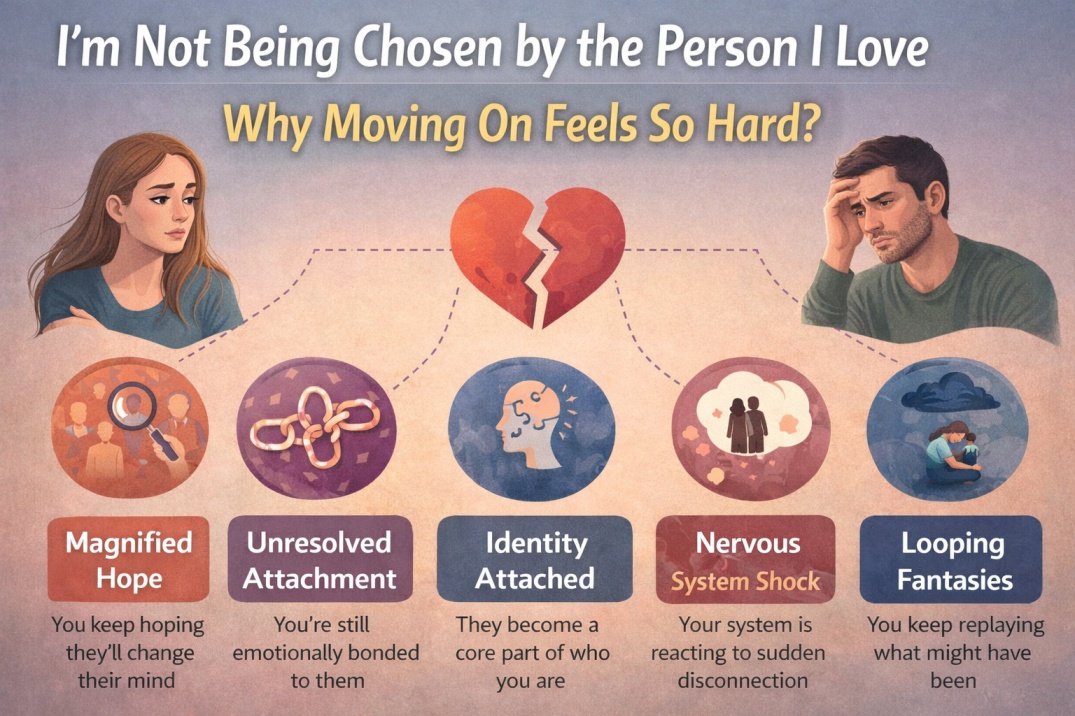
Your Mind and Body Have Learned to Feel Safe With Them
They may have become part of your routine, comfort and emotional regulation. If they were the first person you called when something happened, losing that connection can feel unsettling even when you know the relationship is not possible.
Research on romantic rejection also suggests that attachment loss can involve systems associated with distress, reward, memory and emotional regulation, which helps explain why understanding a rejection does not immediately switch off the emotional response. Research on romantic attachment rejection.
Your Attachment System Is Still Looking for Connection
Attachment does not switch off the moment someone says no. You may still notice changes in their attention, want reassurance or feel unsettled when they become distant.
For some people, anxious attachment or earlier experiences of inconsistent affection can make this stronger, but this does not apply to everyone. Strong feelings for one person do not automatically mean you have an insecure attachment style.
If this pattern appears repeatedly across relationships, you can read more about relationship anxiety and attachment patterns.
Push-Pull Contact Keeps Reopening the Bond
They may reject a relationship but still stay warm, close, emotionally open or regularly in contact.
They may genuinely care without wanting commitment. But when you still love them, periods of closeness can make it harder for the emotional attachment to settle.
You Have Invested Months or Years in This Person
You may have given this person time, support, memories, practical help, money and a major place in your life.
If they later show interest in someone else, it can leave you thinking, After everything we shared, why not me? You may even feel used, although that does not always mean they intentionally used you.
Past investment can make walking away harder, but it cannot create romantic feelings in another person.
They May Actually Be a Very Good Person
Not everyone you need to move on from has treated you badly.
They may be kind, supportive and genuinely important to you. You do not need to turn them into a bad person before you are allowed to detach.
Someone can be good and still be unable to give you the relationship you want.
You Became Attached to How You Felt Around Them
Maybe you felt calmer, more confident, attractive, understood or less lonely around them.
So moving on can feel like losing both the person and the version of yourself you experienced with them.
Being Chosen Started to Mean Something About Your Worth
Rejection can turn “I want this person” into “Why wasn’t I enough?”
You may compare yourself with whoever they choose or start thinking, Why am I never chosen?
But another person’s romantic preference is not an objective measurement of your attractiveness, personality or value.
Hope Can Remain Even When You Know the Answer
You may know the relationship is unlikely to happen and still think, maybe later, maybe if circumstances change, or maybe they will realise one day.
That small amount of possibility can be enough to keep part of you emotionally waiting.
You Are Grieving More Than the Person
You may also be grieving the future you imagined, the closeness you had and what you hoped the relationship would become.
Replaying conversations and imagining different outcomes can feel like searching for closure while keeping that imagined relationship emotionally alive.
Accept What Is Actually Being Offered
Before you can detach, it helps to look at what this person is actually giving you now rather than what the connection once felt like or what it might become.
Maybe they care about you. Maybe they enjoy your company. Maybe they still want you in their life.
But the important question is:
Is what is available to you now enough for the kind of relationship you want?
If the answer is no, continuing to invest in what it might someday become can keep you emotionally tied to something that is not meeting your needs.
How to Emotionally Detach From Someone You Still Love
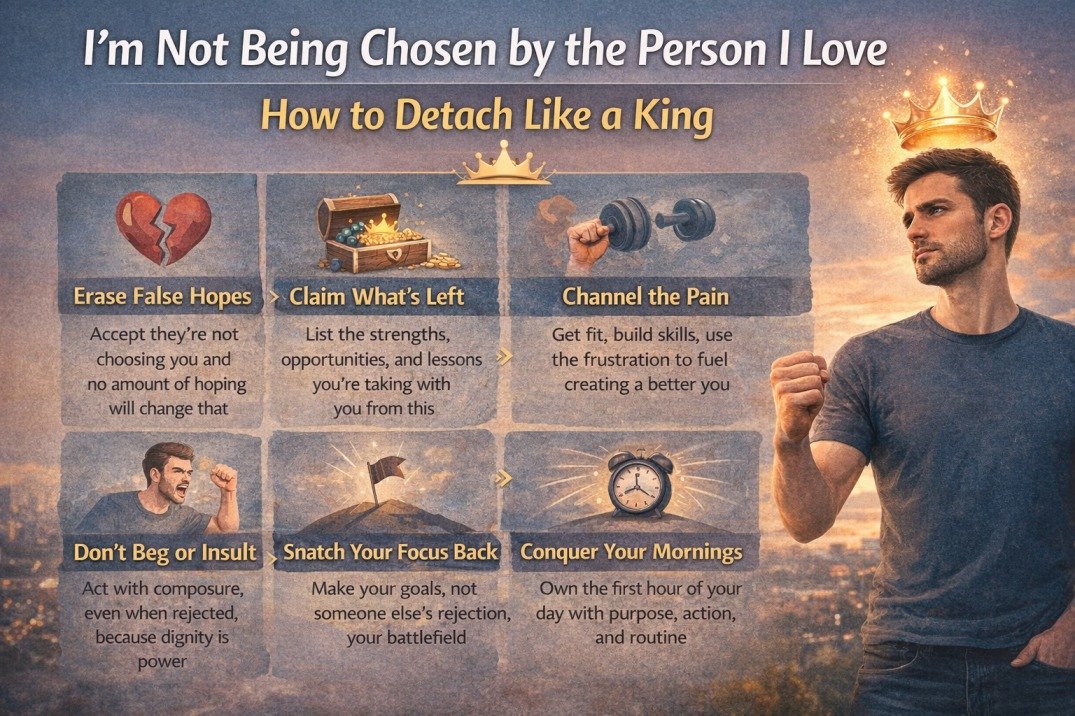
Healthy detachment is usually less about making feelings disappear and more about changing the contact, expectations and emotional habits that keep those feelings constantly activated.
1. Create Permanent Emotional Distance
You may still see this person at work, through mutual friends or in social settings. You can greet them briefly, keep necessary conversations practical or choose not to engage beyond what feels comfortable.
More important is reducing the personal contact that keeps the bond active: private messages, social media checking, late-night conversations, emotional support, unnecessary one-to-one time and regularly following what is happening in their life.
If you need to, you can tell them directly that the connection has become one-sided for you emotionally and that you need some distance.
The first weeks or months may feel difficult. Missing them does not necessarily mean the distance is wrong. Your mind and body may simply be adjusting to someone who had become very familiar.
2. Accept That This Is Not the Kind of Love You Want
There is a difference between loving someone and spending months or years waiting for them to return that love.
Ask yourself whether you really want a relationship in which you have to keep proving yourself, competing, overgiving or waiting for another person to eventually choose you.
Even if they changed their mind later, a long period of uncertainty can leave behind insecurity or resentment.
The goal is not simply to be chosen.
It is to have a relationship in which affection and commitment come willingly from both sides.
3. Stop Looking for Signs That They Might Change Their Mind
A message, a warm conversation, concern, jealousy or somebody saying they miss you does not automatically mean their romantic feelings have changed.
People can miss your friendship, comfort, attention or presence without wanting a committed relationship.
If they come close again, look at what they are actually offering rather than trying to interpret every interaction.
4. Redirect the Emotional Investment
Notice how much of your day has become organised around this person.
You may be waiting for messages, thinking about the next conversation, imagining what could happen or repeatedly checking how they feel about you.
That space needs somewhere new to go.
Meeting new people, reconnecting with friends, travelling, focusing on work, exercise, learning, creative interests or finding a new passion can gradually give you other things to anticipate.
This is not about keeping yourself busy so you forget them. It is about making your life larger than this one connection again.
5. Rebuild What This Person Was Providing
Think about what you were receiving emotionally from this connection.
Maybe it was safety, reassurance, companionship, excitement, validation, feeling understood or simply having someone you could speak to every day.
Those needs do not disappear because the relationship cannot continue in the way you wanted.
Try to rebuild them across different friendships, activities and parts of your life instead of immediately looking for another single person to fill the same role.
6. Stop Using Their Choice as a Verdict on Your Worth
One of the hardest parts of not being chosen by someone you love is what you may start believing about yourself.
Maybe I wasn’t attractive enough.
Maybe the other person was better.
Maybe nobody will ever choose me.
Try to separate what happened from what you have concluded about yourself because of it.
Their feelings belong to them. They are not an objective ranking of you against somebody else.
If rejection regularly becomes tied to self-criticism, comparison or needing another person’s approval to feel good enough, self-esteem counselling can help you look more closely at those patterns.
7. Let Them Remain a Good Person Without Turning That Into a Reason to Wait
You do not need to convince yourself that they were selfish, toxic or terrible.
You can believe:
“They treated me well.”
and also accept:
“They cannot give me the relationship I want.”
Both can be true.
You may continue caring about them, remembering them positively and wanting good things for them. Caring does not require remaining emotionally available or continuing to wait.
8. Do Not Turn Rejection Into Retaliation
Rejection can bring anger, embarrassment and hurt.
But telling them they will regret losing you, trying to make them jealous, insulting the person they choose or posting things hoping they will react usually keeps you emotionally tied to them.
Unless there has been genuine mistreatment, someone is allowed not to return romantic feelings.
You do not need them to feel guilty before you can move forward.
9. If They Come Back, Be Clear About What You Want
After some distance, they may contact you again because they miss you, your friendship, your support or simply having you around.
That does not automatically mean their romantic position has changed.
If you still want a committed relationship, you can be clear about that. If they still want the same emotional closeness without the commitment you need, you do not have to return to the previous dynamic.
Ask yourself:
Has what they are offering actually changed, or has contact simply restarted?
Distance should not be used as a strategy to make someone come back. It is there to help you move forward whether they return or not.
10. Measure Progress by Freedom, Not Forgetting
You do not need to reach a point where you feel absolutely nothing.
Progress may look much quieter:
- you stop waiting for their messages;
- you no longer monitor who they are dating;
- their kindness does not immediately restart hope;
- you can see them without losing the rest of your day;
- you stop comparing yourself with whoever they choose;
- you no longer need them to regret their decision;
- new people and experiences begin to interest you again;
- you can remember them without needing to reopen the connection.
That is emotional detachment.
When You Have Tried to Move On but Still Feel Stuck
Sometimes you can understand the situation clearly, create distance and still feel unable to move forward.
You may continue thinking about the person for months, repeatedly break your own contact boundaries, monitor their life or feel that the rejection has changed how you see yourself. You may also notice a repeated pattern of becoming deeply attached to people who are unavailable.
In these situations, therapy for unrequited love can help you understand what is keeping the attachment active rather than simply telling you to “move on.”
A psychologist may explore attachment patterns, emotional regulation, rejection sensitivity, grief, self-worth, boundaries and rumination. Earlier relationship or childhood experiences may also be relevant for some people, but they should not automatically be assumed to be the cause.
At LeapHope, you can speak with an online psychologist or relationship therapist if you understand what needs to change but are finding it difficult to make that emotional shift on your own. Online breakup counselling and relationship-loss therapy may also be useful when rejection, rumination or difficulty letting go is affecting your everyday life.
Final Thought
What you shared with this person does not become meaningless because it did not become the relationship you hoped for.
Your feelings may have been genuine. The memories may still matter. You may continue caring about them for some time.
But none of those things require you to keep your emotional life waiting for a different answer.
You are not creating distance so they finally choose you. You are creating distance so that whether they choose you or not gradually stops deciding how you feel about yourself and what you do with your life.
Frequently Asked Questions
How do you emotionally detach from someone you love deeply?
Emotional detachment usually begins with creating consistent distance, reducing private and digital contact, accepting that the relationship you want is not being offered and gradually investing your attention in other relationships and parts of your life.
Can you detach from someone and still love them?
Yes. Detaching from someone you love does not require becoming indifferent. You can still care about them and value what you shared while choosing not to remain emotionally available or continue waiting for their feelings to change.
How long does it take to emotionally detach from someone?
There is no fixed timeline. It may take longer when the person has been part of your life for years, remains in regular contact with you or became an important source of comfort, companionship and emotional support.
Should you stop talking to someone if they do not love you back?
Complete no-contact is not possible or necessary in every situation. However, if conversations repeatedly restart hope or make it harder to move forward, reducing personal and emotional communication can give the attachment more room to settle.
How do you emotionally detach from someone you see every day?
If you work together or share a social circle, complete avoidance may not be realistic. Brief, respectful and practical interactions can remain while you reduce unnecessary personal conversations, messaging and attention outside those situations.
How do you get over not being chosen by someone you love?
It often involves accepting that another person’s feelings cannot be earned through waiting or giving more, creating enough distance for the attachment to weaken and separating their romantic choice from your sense of personal worth.
Why does rejection hurt even when you know the relationship will never happen?
Understanding the situation logically does not immediately remove attachment, emotional investment or the future you imagined with someone. Rejection can also trigger comparison, rumination and questions about self-worth, making the loss feel more personal.
Can therapy help with unrequited love?
Yes. Therapy for unrequited love may be useful when persistent rumination, attachment, rejection sensitivity, emotional dependence or difficulty maintaining boundaries keeps you stuck despite understanding that the relationship is unlikely to happen.