

Last Updated on September 3, 2026
Are you the only one trying in your relationship? You keep compromising on your priorities, putting in extra effort to keep the spark alive, leaving your friends, family, career, and plans second to theirs.
Your partner says they love you, want to be with you, but when you ask them to change a plan and spend time with you, they make excuses—then go out with friends or colleagues for parties and fun. Not once. It keeps happening, with their time, affection, support and the things you have already asked them to change.
Whether you’re dating or married, let’s look at the signs, what may have changed and what you can do when you’re tired of trying alone.
Signs You’re the Only One Trying in the Relationship
These signs of one-sided emotional effort matter when they keep happening, not just during one difficult week. Consider what your partner contributes too, including things you may have overlooked.
1. You Call to Connect; They Call When They Want Something
You start the day with a loving message, call to ask how their day went, what they did and how work was. You make plans whenever you get time or when they feel down. You like doing these things and feel happy spending time with them.
But their calls mostly come with “Can you lend me some money?”, “Come shopping with me,” “I’m bored, let’s go somewhere,” or “I had a bad day, let’s go for a drive or dinner.”
None of these requests is wrong on its own. But each one seems to be about them, what they need, how they feel and what they want to do. They rarely call just to ask about you or plan something you would enjoy.

2. You Are Usually the One Who Starts Physical Affection
You are the one reaching for a hug, kiss or holding hands. Even in the bedroom, you usually start physical intimacy. They may approach you when they want sex, but rarely for a cuddle or kiss without it going further. Other times, you hear, “I’m tired,” “Not feeling it,” or “I don’t like that.”
If physical affection is one way you feel loved, this repeated gap can hurt. They do not have to want touch or sex whenever you do. But you miss them reaching for you too, showing affection in ways you both enjoy.
3. You Handle Your Problems Alone but Help With Theirs
Work stress, family problems, bad days, you mostly handle them yourself. At first, you shared things. Their replies were dull, with no real interest or follow-up, so you slowly stopped explaining.
But when they or their family need help, you give your time and full effort. Then you see them checking on friends and helping others while barely asking about your problems.
4. You Apologise First, Even When They Were Wrong
After a fight, you apologise first, even when they insulted you, crossed a boundary or broke your trust. You let things go because the relationship matters to you and you want the fight to end.
They act like things are settled without admitting what they did. Ask for an apology and you hear, “I was angry. I didn’t mean it.” Then they do it again.
Making peace keeps costing you the chance to discuss how they treated you. The argument ends, but their behaviour goes unaddressed.
5. You Change Your Plans, but They Rarely Change Theirs
You cancel plans with friends, delay your work or move family commitments when they suddenly want to meet. You do it because spending time together matters to you.
But when you ask them to make time, they are busy or cannot disappoint others. They turn down your suggestion without offering another day. Your plans keep moving around theirs.
Having separate plans is not the problem. It is that finding time together repeatedly depends on you doing all the adjusting.
6. You Keep Explaining What Bothers You, but Nothing Changes
You accept that they have friends, colleagues and a life outside the relationship. But you have raised specific concerns, getting too drunk to get home safely, sharing your private arguments with colleagues or making insulting jokes about you in front of friends.
Instead of discussing it, they call you too sensitive or say you are trying to control them. Even something you both agreed to is treated as your problem when you bring it up again.
Now the conversation is about why you keep complaining, not why the behaviour keeps happening.
7. They Promise to Try, but Seem to Forget the Next Day
“I cannot keep going like this” finally gets their attention. They say they do not want to lose you and promise to change. For a few days, they ask about you, put the phone away and do things without being reminded.
Once you stop bringing up the problem, that effort stops too. They seemed to understand when you were ready to give up. You wonder why your earlier requests did not matter enough.

Can Your Relationship Survive If Only One Person Is Trying?
If you’re the only one trying for a long time, you may experience:
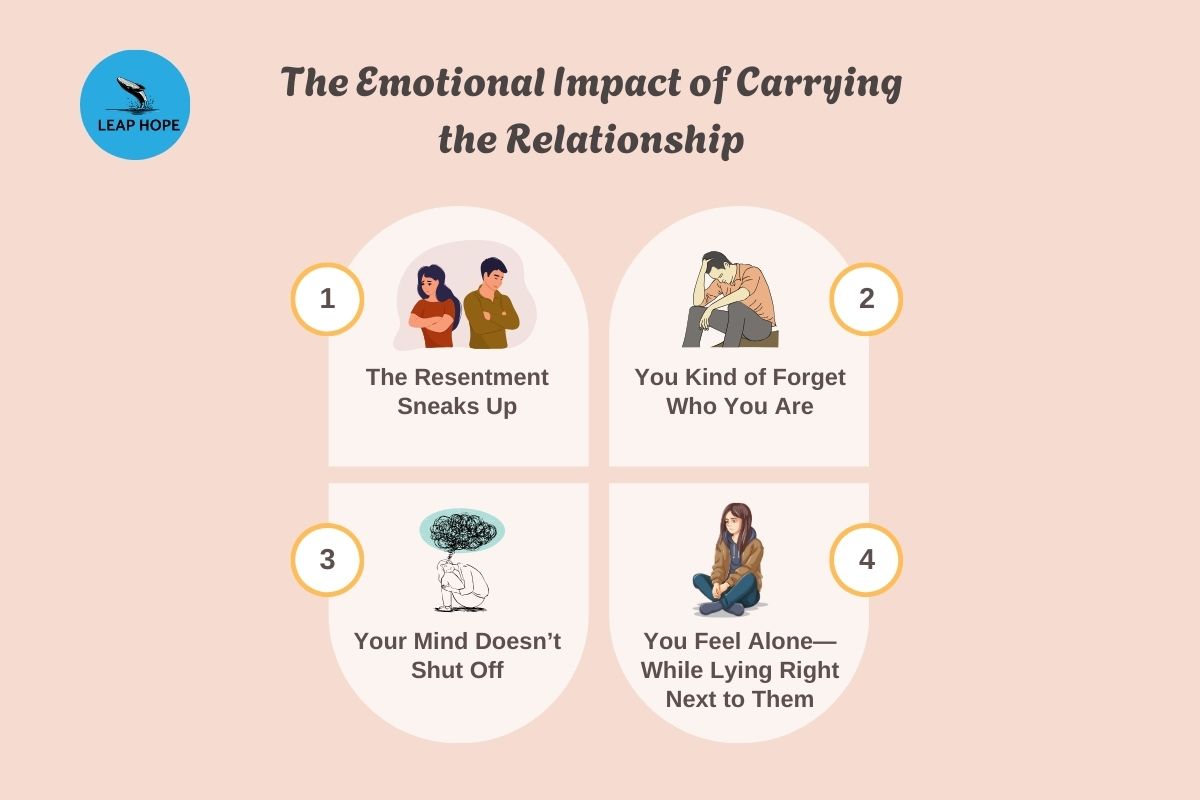
- Rumination: Replaying arguments and wondering why nothing changes.
- Relationship anxiety: Fearing rejection, needing reassurance but struggling to believe it.
- Hypervigilance: Watching their tone, messages and mood for signs of another problem.
- Lower self-worth: Thinking you are not worth the time or affection you keep asking for.
- Resentment and exhaustion: Feeling angry about doing so much, then too tired to keep trying.
These are possible effects, not proof of a mental health disorder.
The relationship may continue, but staying together does not mean both people are happy. Some dating couples break up. Some married partners stay for children or shared responsibilities and focus on other parts of life. Others choose separation.
A relationship can improve, but your partner needs to take part. You cannot keep doing the work for both.
What Can You Do to Make the Relationship Feel Worth the Effort?
If you have explained the same things several times, you do not need another long speech. Bring the conversation back to what you asked for, what they agreed to and what still has not changed.
1. Tell Them What You Need Beyond “Try Harder”
“My partner is not putting in effort” describes the problem, but name what you need: “I want you to call sometimes just to ask about me,” or “When I tell you I’m struggling, I need you to listen and check on me later.”
If you have already been clear, say so: “We have discussed this before. What is stopping you from following through?” You should not have to keep finding better words for the same request.
2. Ask What They Want From the Relationship Too
Ask, “Are you happy with how things are? What do you need from me? Do you still want the future we planned?”
They may see their effort differently or have concerns you have not heard. Listen, but do not let the whole conversation become about your faults while your concerns are left unanswered.
3. Agree on What Each of You Will Do Differently
“I’ll do better” leaves you guessing. Agree on a few clear changes, taking turns arranging time together, sharing a household task fully or returning to a difficult conversation after a break.
Ask them to suggest changes too. If you have to decide every step, you are still managing their effort.
4. Stop Taking Over Everything They Leave to You
If they agreed to arrange something, let them handle it. Do not automatically chase, remind and finish it yourself.
Be direct: “I can’t keep organising this for both of us.” This is not about ignoring them to see whether they chase you. It is about no longer taking on more than you can manage. Keep children’s needs and essential bills protected.
5. Check Whether Things Change Without Constant Reminders
Look beyond a good evening after a serious talk. Do they follow through when life gets busy? Notice when they slip? Make another plan if something falls through?
If nothing changes, say, “We agreed on this, but I’m still doing it alone. Are you willing to work on it with me?” You can suggest online marriage counselling or consider what you are willing to keep accepting. You do not have to restart the same conversation indefinitely.
Why Has Your Boyfriend, Girlfriend, Husband or Wife Stopped Trying?
Some people call, plan dates and give attention at the start, then stop once the relationship feels secure. Others struggle to balance work and marriage, face health problems or put more time into friends and changed priorities.
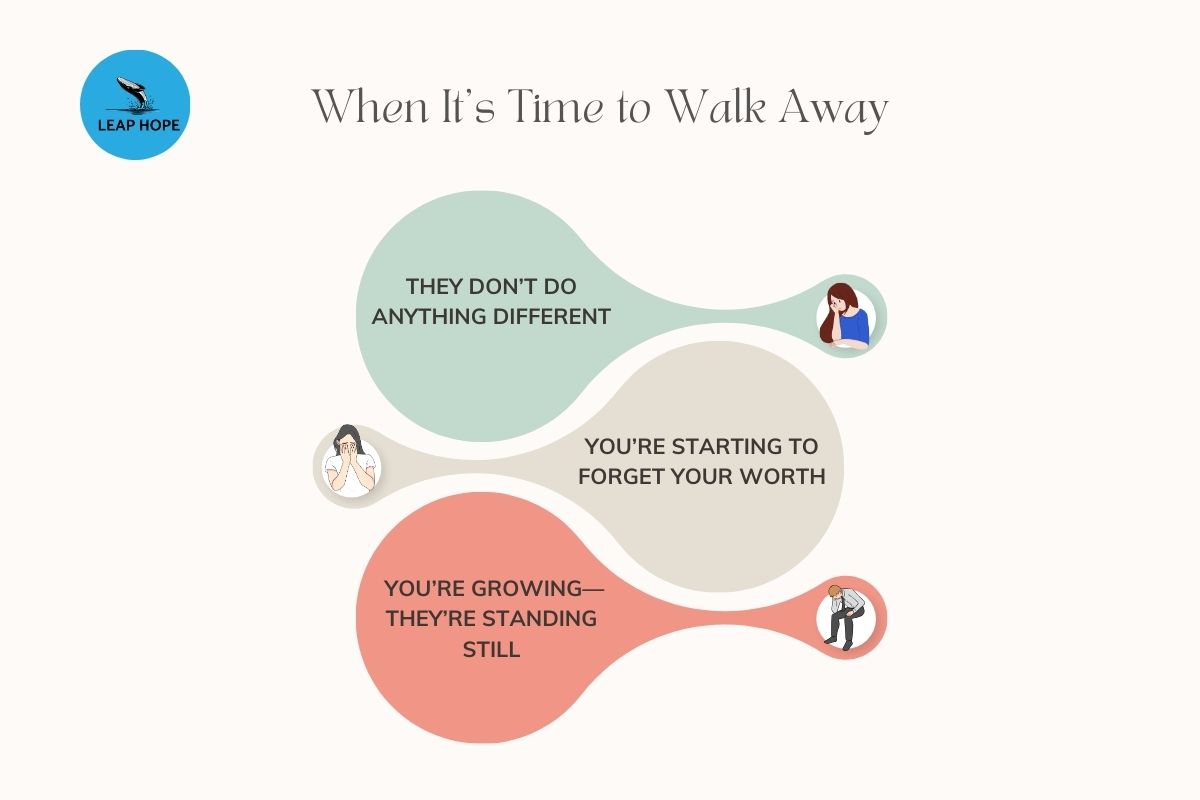
Past hurt, repeated fights, interest in someone else or doubts about staying can also play a part. Less effort alone does not tell you which reason fits.
Ask what has changed rather than guessing. The answer matters because being overwhelmed, holding onto past hurt and no longer wanting the same future are different problems. You need to know what both of you want and whether you are willing to work towards it.

Am I Asking for Too Much?
Wanting your partner to make time, show affection, ask about your day and keep agreements is not asking for too much. Expecting instant replies, every free hour together or cancelled plans whenever you ask is different.
The Gottman Institute also encourages separating your core relationship needs from expecting one partner to meet every need.
Effort does not have to match exactly. You may plan dates while they handle meals, bills or practical problems. Those things count too but they do not mean you should stay quiet about missing affection or support.
Be specific about both: “I appreciate that you handle dinner when I work late. I also miss sitting and talking with you.” Recognising their effort and asking for something you need can happen in the same conversation.
Can a Couples Therapist Help?
A marriage counsellor checks what each partner contributes, when the effort changed and why the same arguments or broken promises keep returning.
Depending on your needs and their training, they may use:
- Emotionally Focused Therapy (EFT): Work on the pattern where one partner keeps asking for closeness and the other pulls away.
- Gottman-informed work: Practise listening, repairing arguments and making time for each other.
- CBT: Examine self-blame, assumptions and repeated negative thoughts.
You agree on practical changes, then review what actually happened between sessions. You can review LeapHope’s online couples therapists in India and choose someone whose experience fits your concerns.
If your partner will not attend, individual counselling can help you set limits and decide what to do next. If you feel afraid, threatened or controlled, tell the therapist privately so they can assess whether joint sessions are appropriate.
Final Thoughts
If you feel like you’re the only one trying in your relationship, another promise may not mean much now. You want to see things happen without another argument or warning that you might leave.
There is room for hope when your partner listens, admits their part and keeps working on what you agreed. Change does not need to be perfect, but it needs to last beyond the conversation.
FAQs
Is it normal to feel like I’m the only one trying in my relationship?
Feeling like you’re the only one trying can happen during stress, illness or grief. If it continues, consider whether your partner recognises the imbalance, cares when you are struggling and contributes when they have the capacity.
Should I stop making an effort to see whether my partner notices?
Stopping effort to see whether your partner notices is not a reliable test of care. They may interpret silence as wanting space. Explain what you cannot keep managing alone, agree on responsibilities and avoid repeatedly taking over.
What if my partner says they are trying too?
If your partner says they are trying too, compare specific contributions rather than intentions. Practical tasks, emotional support and resolving arguments are different forms of effort. Recognising their contribution does not mean your unmet needs should be dismissed.
Why does my partner only make an effort when I threaten to leave?
Your partner may only make an effort when you threaten to leave because they now fear losing the relationship. That effort may be sincere, but lasting change means keeping agreements after the immediate fear passes, without another warning.
How Long Should I Wait for My Partner to Change?
How long you wait for your partner to change depends on the behaviour and its impact. Agree on a time to review specific changes. Look for kept agreements and corrected mistakes, not promises alone. Threats or violence require prioritising safety.
What if My Partner Refuses Couples Counselling?
If your partner refuses couples counselling, ask whether the barrier is cost, fear of blame or unwillingness to address problems. Individual counselling can help you understand the pattern, decide your limits and consider options without pressure to stay or leave.