
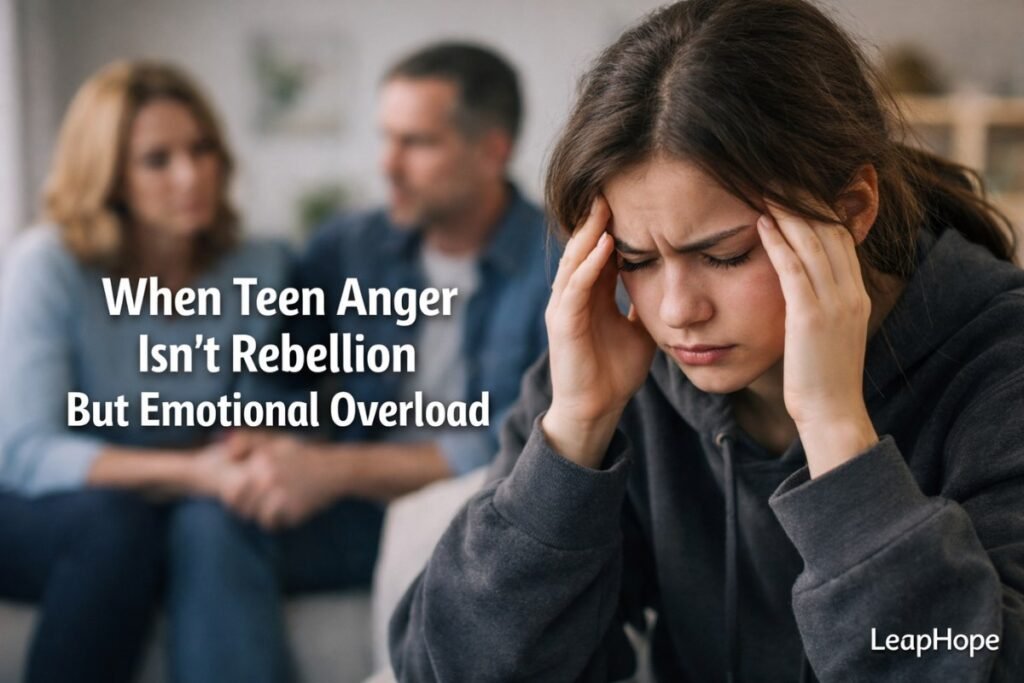
Your teen snaps at small things like chores, comments, or even jokes. Sometimes they slam doors. Other times, they go quiet and lock themselves in their room.
You ask what is wrong. They say “Nothing.” But you can feel that something is off. The short answers, the tension, and the distance were not there before.
This is not always rebellion. Often, it is emotional overload. Your teen is carrying feelings they do not yet know how to explain. As a parent, it can be confusing. You want to help but do not want to push too hard. You wonder when this is normal teenage frustration and when it is a deeper struggle that needs attention.
This article will help you notice the signs, understand what might be happening, and stay connected without making things worse.
Why Is My Teen Angry All the Time?
The Early Signs Parents Notice
Your teen snaps over small things that never used to bother them. A comment, a chore, or even a joke can trigger frustration. Sometimes they storm out of the room or slam a door. Other times, they respond with short, sharp answers.
You may notice that even minor frustrations seem to irritate them more than before. The energy in the house feels heavier, and interactions that were once easy now seem tense or quick. These early signs can be subtle, but they’re often the first indication that your teen is struggling with more than just ordinary moodiness.
Questions That Keep Parents Up at Night
You start wondering: Is this normal teenage anger? Is my teen simply rebelling, or is there something deeper going on?
It’s hard not to question yourself when the anger seems disproportionate to the situation. You want to give space, but you also want to help. You’re left trying to decide what’s typical adolescent behavior and what could signal emotional overload.
Understanding Emotional Overload in Teens
What Emotional Overload Really Looks Like
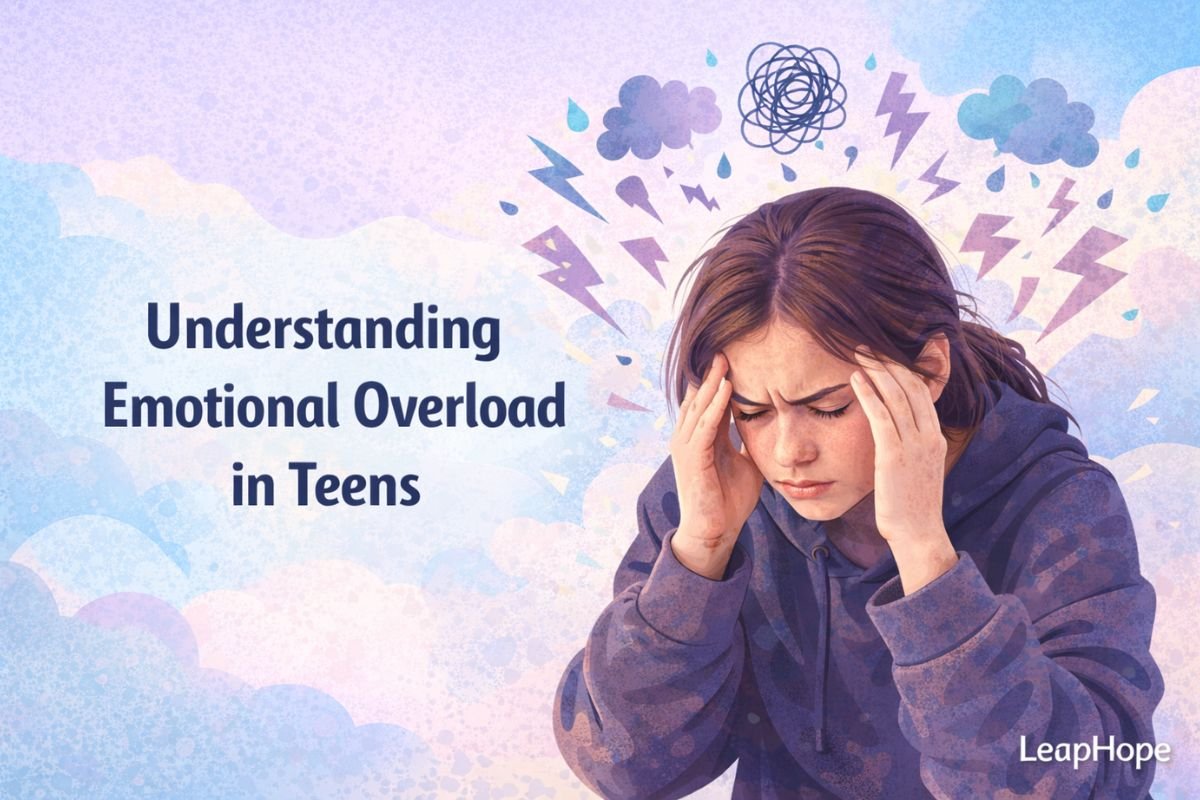
Emotional overload in teens doesn’t always look obvious. You might notice quick mood changes that seem to come out of nowhere. One minute, your teen is calm, the next, they’re snapping or withdrawing. Irritability often comes with withdrawal. Your teen may avoid conversations, isolate themselves, or show less interest in things they usually enjoy.
Even simple tasks can feel overwhelming. Homework, chores, or daily routines might trigger frustration faster than before. Fatigue or impatience can make even small challenges feel bigger. For parents, it can be confusing because outwardly, your teen is still functioning—they go to school, complete assignments, and follow rules—but something is clearly different emotionally.
Why Anger Becomes the Voice of Stress
Teens often don’t have the words for what they feel. Frustration becomes the easiest way to express emotions that feel too complicated to explain. Yelling, snapping, or slamming doors becomes their language when the feelings inside are too strong or tangled.
Digital distractions, constant social comparisons, and school pressure can make it harder for teens to manage these emotions. The anger is often the first signal parents notice, but it’s rarely the full story. Understanding that anger can be a sign of emotional overload rather than intentional defiance is the first step in seeing what’s really happening.
Why Teens Don’t Always Talk About Feelings
Lack of Emotional Vocabulary
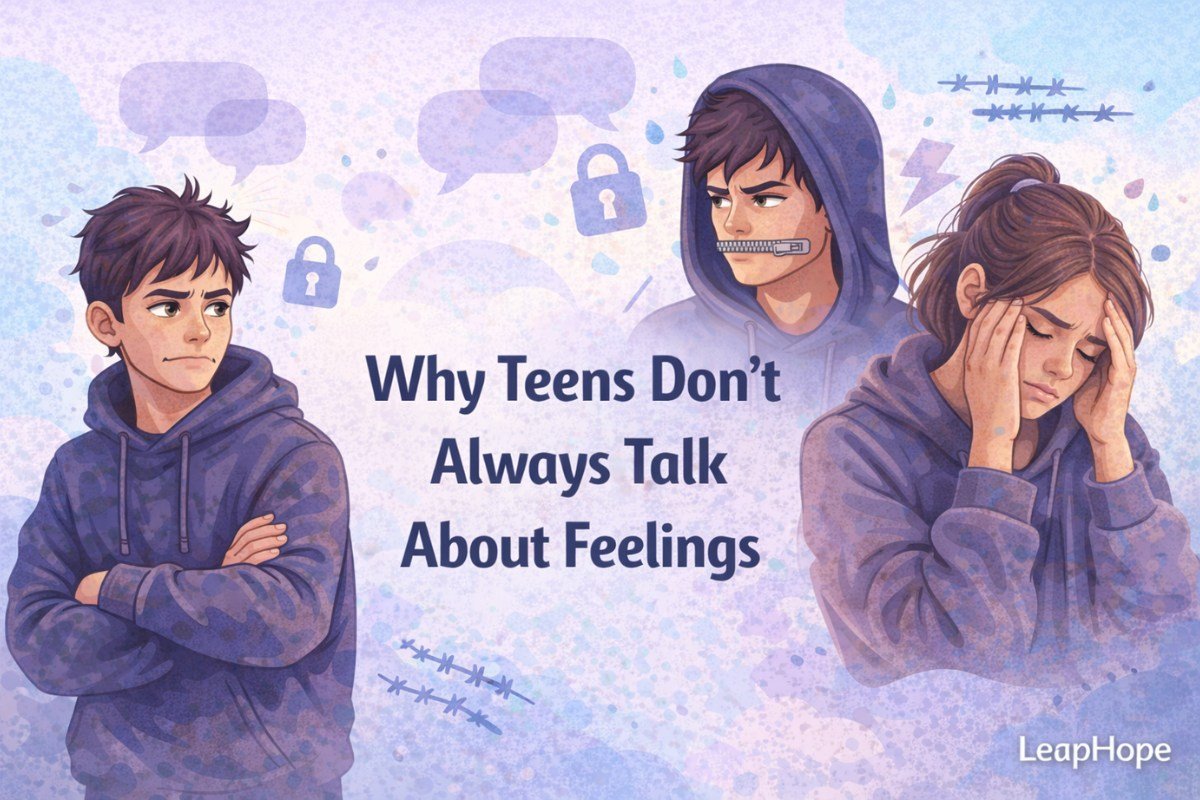
Many teens don’t explain what’s bothering them because they don’t fully understand it themselves. The feelings can be confusing, overwhelming, or mixed up, and putting them into words feels impossible. Saying “I’m fine” or “Nothing” becomes the easiest way to respond, even when it isn’t true.
Protecting Parents and Peers
Some teens hold back because they don’t want to worry you. They might also want to avoid arguments or tension at home. Staying quiet feels safer than trying to explain feelings that could spark more questions or reactions.
Sometimes what looks like rebellious behavior is actually your teen struggling to cope. Learning how parents sometimes misread emotional development can help you understand the anger behind the outbursts.
Fear of Judgment
Past experiences where their feelings were dismissed, corrected, or treated as “dramatic” can make teens hesitant to open up. They may worry that sharing will lead to criticism or misunderstanding, so they stay silent.
Silence doesn’t mean everything is fine. Often, it’s a sign your teen is struggling to process what’s going on inside, and they haven’t yet found a way to communicate it. Paying attention to body language, tone, and patterns can help you understand what’s really happening beneath the surface.
How to Tell Rebellion from Emotional Overload
Signs of Rebellion
Rebellion usually has a purpose. Teens test boundaries, argue openly, or push rules to see what they can get away with. Anger tied to choice or negotiation often comes with reasoning, bargaining, or challenge. You can usually spot patterns. Certain situations consistently trigger defiance, and your teen may still engage in conversation or show they understand the rules they are testing.
Signs of Emotional Overload
Anger from emotional overload feels sudden and intense. It often comes out even when your teen is generally following rules or acting responsibly. You may notice fatigue, withdrawal, or sadness alongside the anger. Sometimes small, ordinary frustrations trigger disproportionate reactions.
The key difference is that rebellion is intentional and situation-specific, while emotional overload shows up as reactions your teen can’t fully control. Parents often feel stuck trying to decide which it is, but paying attention to patterns rather than single outbursts helps make the difference clearer.
Common Parent Responses That Can Make Anger Worse
Pushing for Immediate Answers
It’s natural to want to know what’s wrong the moment your teen snaps. Asking “Tell me what’s going on right now” often comes from care, but it can backfire. Teens may feel cornered or pressured, which can make them withdraw even further instead of opening up.
Reacting Strongly Out of Fear
Parents often respond with worry, panic, or raised voices. While understandable, this can escalate tension. Your teen may feel responsible for managing your emotions on top of their own, which increases stress and fuels more anger.
Taking Distance Personally
When your teen storms off or shuts down, it’s easy to feel rejected or hurt. But often the withdrawal isn’t about you, it’s about what they’re managing internally. Misreading distance as personal can make interactions tense and widen the gap.
Even well-meaning responses can unintentionally intensify emotional overload. Staying calm, observing patterns, and not reacting immediately can help your teen feel safer and reduce the frequency or intensity of outbursts.
How Daily Stress Builds Up and Fuels Anger
Cumulative School and Academic Pressure
Even small school deadlines, tests, or assignments can pile up without a teen noticing. What feels manageable at first can quickly become overwhelming. For many teens, the stress quietly builds, and anger or irritability becomes the first way they show it.
Friendship and Social Media Stress
Teens today carry constant social pressure. Comparison with friends, online interactions, or feeling left out can weigh heavily on their emotions. These pressures don’t always show on the surface, but they can intensify frustration, making small conflicts feel much bigger than they really are. Many teens genuinely don’t have words for what they feel. Knowing when a teen says “I don’t know” about their feelings can help you respond calmly instead of reacting to anger.
Family and Home Environment Stress
Changes at home, disagreements, or even subtle tension can push a teen closer to their breaking point. When a teen is already carrying school and social stress, minor family conflicts can trigger disproportionate anger.
Anger in teens is often not about a single incident. It’s the sum of many small pressures building up. Recognizing these patterns helps parents see that emotional overload, not rebellion, is often behind the outbursts.
Simple Ways to Stay Connected When Anger Takes Over
Check in Without Pressuring
Small, calm interactions can make a big difference. A simple “I’m here if you want to talk” lets your teen know you notice their frustration without forcing them to explain it. These gentle check-ins show care without creating more tension.
Use Neutral Language
Avoid blaming or judgmental words like “Why are you always angry?” or “You’re overreacting.” Instead, describe what you see and how it affects the environment calmly, for example, “I notice you seem frustrated and I want to understand.” Neutral language keeps the door open instead of pushing them away.
Observe Patterns, Not Single Outbursts
One angry moment doesn’t tell the whole story. Look for repeated patterns—when the anger appears, what triggers it, and how long it lasts. Understanding patterns helps you respond thoughtfully rather than reacting to every incident. Teens often manage their stress in public but release it at home. Seeing why some teens hold it together outside but struggle at home helps parents distinguish emotional overload from defiance.
Offer Space While Remaining Present
Respect your teen’s need for privacy, but don’t disappear entirely. Being nearby, checking in occasionally, and maintaining routines show that you care. This balance helps teens feel safe to calm down and eventually express what they’re feeling.
These approaches focus on steady, realistic ways for parents to stay connected while anger is high, reducing tension and building trust without pushing or lecturing.
What Actually Helps Teens Manage Anger
Calm Presence Over Lectures
Teens often respond better to quiet presence than long talks. Simply being nearby, noticing changes without pressing for answers, can make a big difference. Short, calm check-ins like “I’m here if you want to talk” let your teen feel seen without feeling pressured.
Giving Space Without Abandoning
Respecting privacy is important, but so is maintaining connection. Giving space doesn’t mean ignoring your teen; it means letting them process while knowing you’re available. Consistent, calm attention reassures them that they are not alone. Anger often hides unmet emotional needs. Understanding emotional needs teens can’t easily express allows parents to respond with empathy instead of frustration.
Helping Teens Name Their Feelings
Sometimes reflecting on what you notice can help. Simple statements like “It seems like you’re frustrated about school today” or modeling words for emotions give them language to describe what’s going on inside. You don’t have to solve the problem; just showing understanding can ease the intensity of anger.
These approaches focus on creating a safe, steady environment where teens can slowly manage strong emotions, instead of reacting out of fear, frustration, or misunderstanding.
When Professional Support Can Help
Why Teens Open Up Better Outside the Family
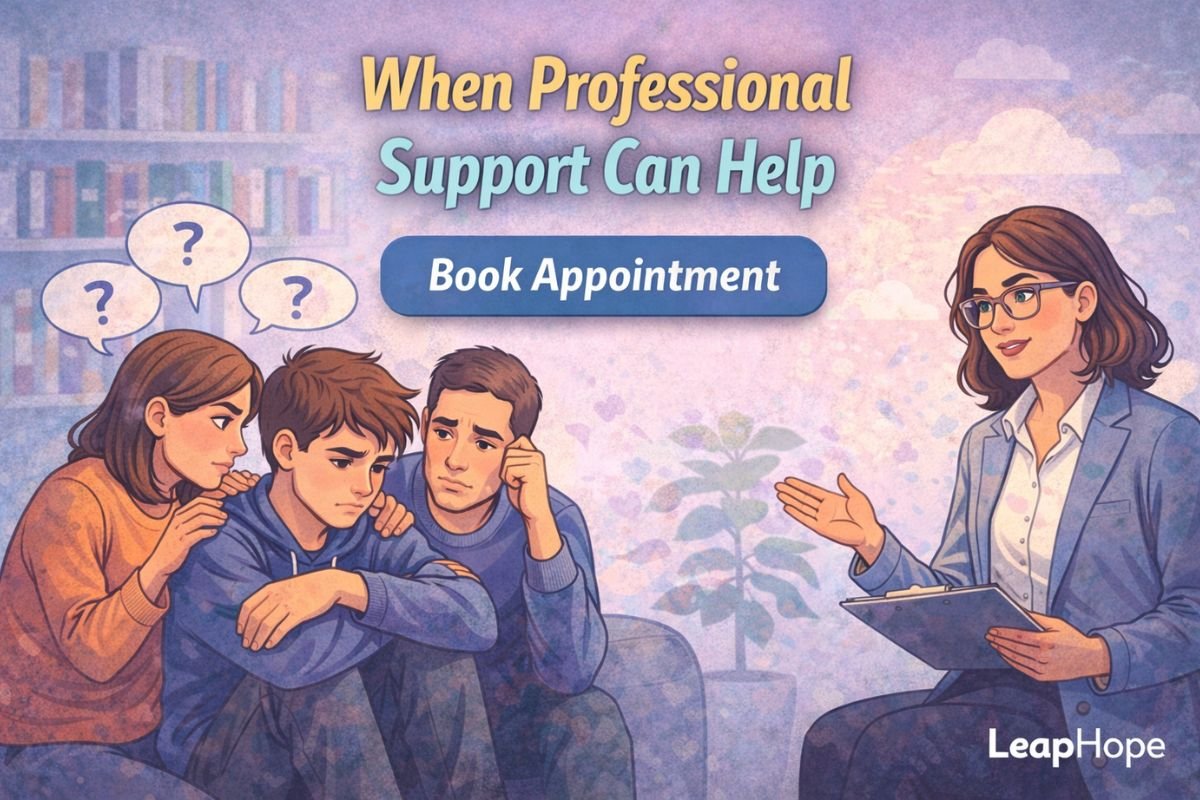
Some teens find it easier to talk to someone neutral. At home, they may worry about disappointing you, causing arguments, or being judged. In a professional space, there’s no pressure to explain everything perfectly, and they can speak at their own pace. Even saying very little at first is okay.
How Parents Benefit Too
Professional support can help parents understand patterns they might have missed. It gives guidance on how to respond calmly, reduces the guessing, and eases worry about making things worse.
For many families, having a safe space for both the teen and the parent creates clarity and reduces tension at home.
Some parents find it helpful to explore online counselling for children and teens, where a neutral space allows teens to open up while parents get guidance on how to respond effectively.
Final Thought
Teen anger can be confusing and exhausting. Just because your teen snaps, slams doors, or withdraws doesn’t mean they are being defiant or rebellious. Often, it is emotional overload, stress, frustration, or feelings they don’t yet know how to express.
Patterns matter more than single outbursts. Look for repeated tension, fatigue, withdrawal, or sudden reactions over time. These patterns often tell a clearer story than one-off incidents.
As a parent, staying calm, consistent, and available can make a bigger difference than punishment, lectures, or constant questioning. Simply noticing, listening when they’re ready, and offering gentle understanding helps your teen feel seen and supported, even when they say nothing is wrong.
Frequently Asked Questions
1. Why does my teen get angry over small things?
Many teens react strongly to minor triggers when their emotions are already overloaded. Small frustrations can feel much bigger than they seem.
2. How can I tell if my teen’s anger is rebellion or stress?
Rebellion usually has a clear pattern tied to rules or choices. Emotional overload shows as sudden, intense anger, often with fatigue, withdrawal, or sadness, even when rules are followed.
3. My teen says “I’m fine” but seems upset. Should I push them to talk?
Pressuring teens can make things worse. Gentle check-ins and calm presence often work better than forcing a conversation.
4. Can school, friends, or social media make teens angrier?
Yes. Academic stress, peer pressure, and online comparison can silently build up emotional overload that shows up as anger.
5. Why does my teen act irritated or snap instead of explaining their feelings?
Many teens don’t yet have the words to describe what they feel. Frustration becomes the easiest way to express emotions they can’t explain.
6. How long is too long for teen anger to be a concern?
Occasional outbursts are normal. It’s concerning when anger is frequent, intense, and affects school, friendships, or home life over several weeks or months.
7. Can parents make emotional overload worse without realizing it?
Yes. Reacting with frustration, lecturing, or taking distance personally can unintentionally escalate anger and withdrawal.
8. What can I do when my teen withdraws after an angry episode?
Give them space while staying consistently available. Short, calm check-ins and maintaining routines help them feel safe to return.
9. Can professional support help teens who get angry easily?
Absolutely. Neutral professionals can help teens process feelings safely and guide parents on how to respond without escalating tension.
10. How can I recognize the patterns behind my teen’s anger?
Observe triggers, timing, intensity, and accompanying behaviors like withdrawal or fatigue. Tracking patterns over time gives a clearer understanding than reacting to single outbursts.