Last Updated on February 26, 2026
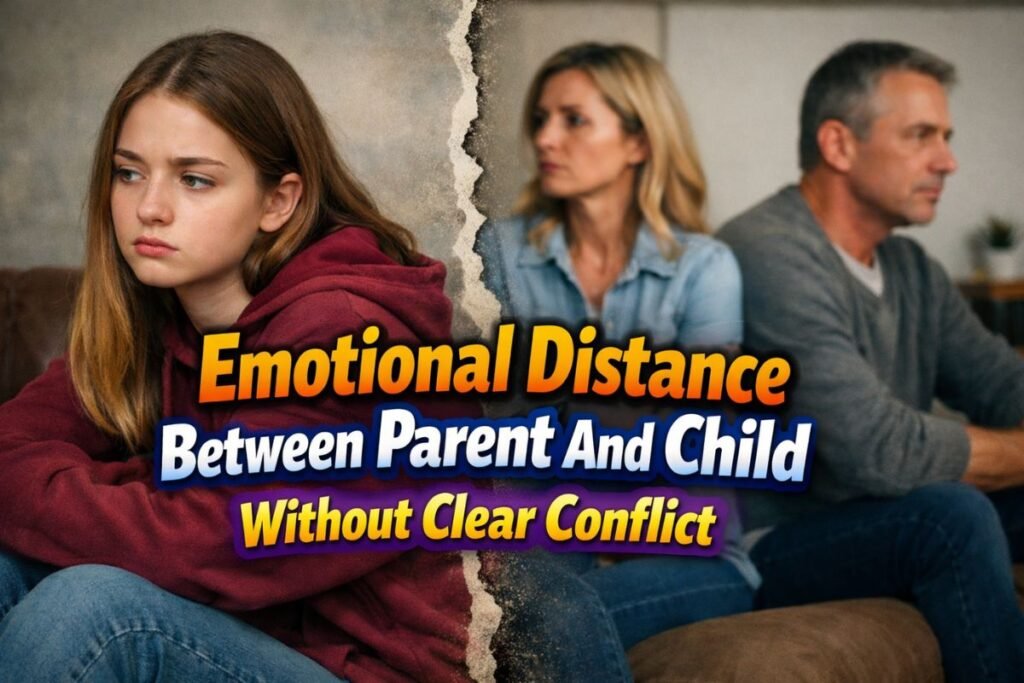
Your child is in the home, following routines, going to school, and doing everything expected. But the connection feels different. Conversations are shorter, answers feel flat, and moments that used to bring laughter or closeness now feel distant.
It isn’t rebellion, and it isn’t a sign that love is missing. Emotional distance often appears when children are dealing with feelings that are too big, confusing, or hard to put into words. They might be stressed, worried, or simply processing experiences internally.
As a parent, it can be confusing and worrying. You may wonder if something you did caused this change or if it is just a passing phase. It can be hard to know whether to step in, step back, or wait for your child to speak.
This article explores why emotional distance can happen without clear conflict, the subtle signs parents often miss, and ways to maintain connection without forcing conversation or creating tension.
Understanding Emotional Distance
Even in homes full of love, children sometimes create emotional space between themselves and their parents. This distance is rarely about rejection. Most of the time, it is a way for children to cope with feelings they do not yet know how to express. Understanding why this happens can help parents respond with patience and empathy.
Emotional Overload
Children can experience emotions that feel too intense, confusing, or overwhelming. Stress from school, friendships, or even minor family conflicts can accumulate without an obvious trigger. When feelings become difficult to handle, children may retreat emotionally instead of talking about them.
This silence is often a coping mechanism. Children might seem calm or distracted outwardly while internally struggling to process their feelings. Anger, sadness, or anxiety can be expressed subtly through withdrawal, irritability, or avoidance rather than words.
Fear of Being Misunderstood
Even in supportive homes, children can be cautious about sharing what they feel. Past experiences of being corrected, dismissed, or misunderstood can make them hesitant. They may worry that opening up will result in criticism, lectures, or unnecessary worry for their parents.
This fear does not mean your child distrusts you. It simply means they are learning to navigate their emotions while anticipating how others might react. Recognizing this allows parents to approach them without inadvertently reinforcing silence.
Protecting Parents From Worry
Some children withhold their emotions to protect their parents from stress. They see the effort you put into caring for them and choose silence as a way of shielding you. While it can be confusing or frustrating, this form of quiet is often an expression of care.
Parents can respond by maintaining calm availability, showing attention without pressing for disclosure, and creating a home environment where sharing does not feel like a burden.
What seems like emotional distance or withdrawal may not be rebellion. Understanding how parents sometimes misread emotional development helps you see the hidden reasons behind your child’s silence and respond more effectively.
Growing Independence and Autonomy
As children grow, their need for privacy increases. They want to control what they share and when. Emotional distance can sometimes reflect this natural step toward independence rather than a sign of a problem.
Respecting this autonomy while staying connected is key. Maintaining consistent routines, offering gentle check-ins, and being patient creates a safe environment. Children are more likely to open up when they feel control over their own communication.
When Distance Might Be More Than a Phase
Sometimes emotional distance is temporary and part of growing independence. Other times, it can signal that a child is struggling with emotions they haven’t been able to share. Paying attention to patterns, emotional changes, and subtle behavior is key to understanding the difference.

Consistent Withdrawal Patterns
One or two quiet moments don’t mean much. What matters is whether the distance happens repeatedly and across different interactions. If your child regularly avoids conversation during meals, homework time, or family activities, this can indicate a deeper struggle rather than a temporary phase.
Repeated withdrawal is often a subtle message that your child is managing stress, anxiety, or other overwhelming emotions. Parents can begin to notice triggers, timing, and emotional cues without forcing communication.
Emotional and Behavioral Changes
Alongside withdrawal, emotional shifts often appear. Your child may seem more irritable, moody, or fatigued. Interests and activities they once enjoyed may feel less appealing or abandoned altogether.
Even small changes matter. These shifts give parents insight into what’s happening internally and help differentiate between normal independence and signs of emotional overload.
Non-Verbal Clues
Children communicate a lot without words. Observe body language, posture, and facial expressions. Are they slouched, avoiding eye contact, or appearing tense? Are they turning to devices, books, or solitary activities more than usual?
These non-verbal cues often reveal what a child cannot express verbally. Paying attention to these patterns helps parents respond empathetically rather than misinterpreting distance as rejection.
Common Parent Responses That Can Backfire
Even in loving homes, parents sometimes unintentionally widen the emotional gap with certain reactions. Understanding these common missteps helps parents avoid escalating distance and keeps communication channels open.
Pressuring Children to Talk
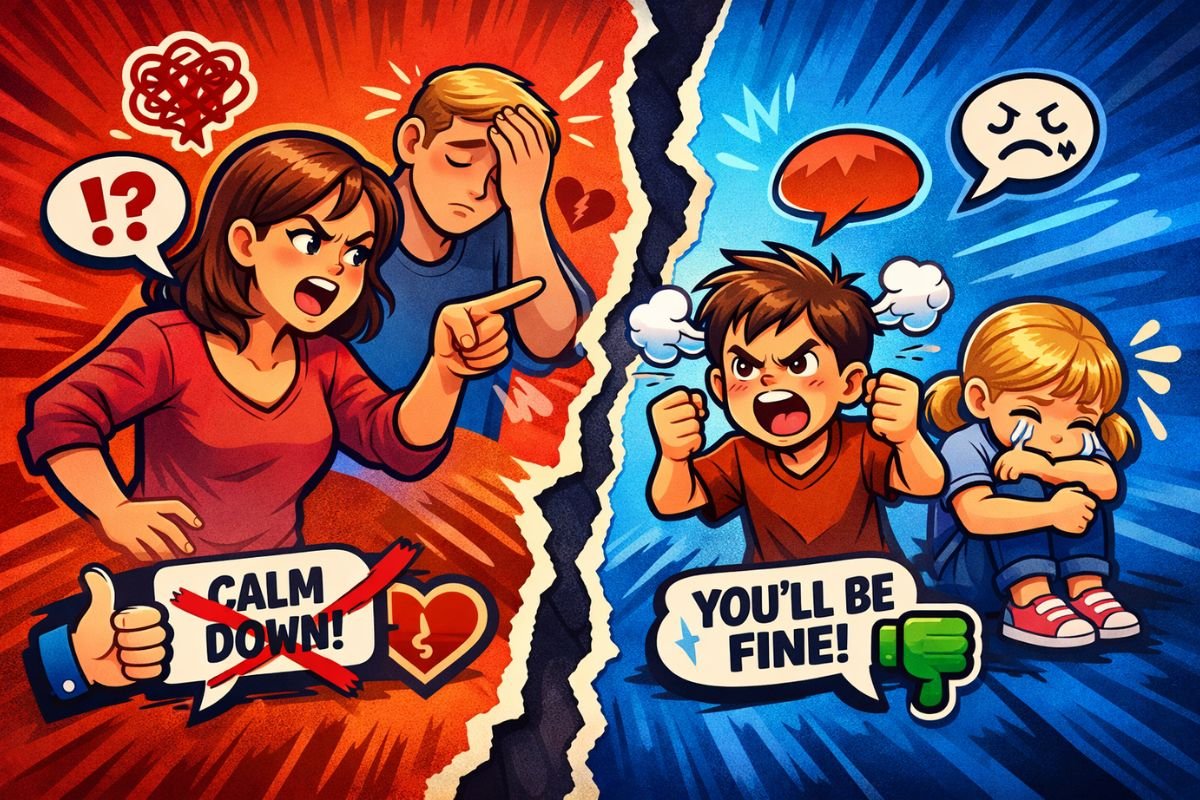
It’s natural to want answers when a child withdraws. Asking repeatedly or demanding explanations, such as “Tell me what’s wrong now,” often backfires. Children may feel cornered or pressured, which increases withdrawal rather than encouraging them to open up.
Overreacting Emotionally
Showing visible frustration, guilt, or anger can make children feel responsible for managing your emotions in addition to their own. This added pressure can intensify withdrawal, making children retreat further instead of connecting.
When children withdraw, their actions often speak louder than words. Learning how children show feelings through behaviour can help parents interpret emotional distance without misjudging their intentions.
Taking Distance Personally
It’s easy to interpret a child’s quietness as rejection or disinterest. In most cases, withdrawal is about their internal processing and not about the parent. Taking it personally can create misunderstandings and add tension, making the gap feel wider.
How Parents Can Rebuild Connection
Even when a child seems distant, it is possible to maintain and rebuild emotional connection. The key is patience, consistent presence, and gentle awareness rather than pushing for immediate conversation.
Calm, Consistent Presence
Being present without forcing conversation shows your child that you notice and care. Small gestures, like sitting nearby while they read or quietly checking in, demonstrate attention and support. These moments signal that you are available without creating pressure, allowing your child to approach you when ready.
Observing Patterns Over Time
One moment of withdrawal doesn’t tell the full story. Observe repeated behaviors over days or weeks. Notice when they withdraw, what seems to trigger it, and how they respond afterward. Understanding these patterns helps you respond thoughtfully, rather than reacting to isolated incidents.
Respecting Privacy While Staying Engaged
Giving children space doesn’t mean stepping away entirely. Maintaining routines, offering opportunities for shared activities, and letting them choose when to talk creates a balance of independence and connection. Children are more likely to open up when they feel in control and safe to share.
How Daily Life Can Contribute to Emotional Distance
Children don’t become distant without reason. Often, it’s the small, cumulative stressors in everyday life that quietly build walls, even when there is no clear conflict. Recognizing these triggers can help parents understand the “why” behind the distance. Withdrawal is often a sign of unmet emotional needs. Understanding emotional needs children struggle to express allows parents to create a safe environment for connection and gradual communication.

School and Academic Pressures
Even children who seem relaxed at home can feel weighed down by school expectations. Homework, exams, and constant performance pressure can add up quietly.
Your child might not talk about it, but the stress can appear as withdrawal, irritability, or reduced enthusiasm for family activities. Even minor school frustrations can accumulate, making children less willing to engage emotionally at home.
Social and Peer Stress
Friendships, social comparisons, and online interactions can also influence emotional distance. Children may hide worries about friends or social challenges because they don’t want to worry parents.
This silent burden can make them seem emotionally distant, even though they are processing a lot internally. Understanding this helps parents approach their child with empathy rather than frustration.
Family Environment Stress
Sometimes, even small tensions at home, changes in routines, subtle disagreements, or a busy household, can make children emotionally guarded.
A child might retreat to their room or focus on solitary activities as a way to manage these stresses, even if everything seems fine on the surface. Recognizing that these everyday stressors affect emotional closeness allows parents to respond thoughtfully.
Supporting Emotional Expression Without Pushing
Helping children express their feelings requires balance. Pushing too hard can increase distance, while providing calm, consistent support encourages them to share on their own terms.
Reflecting Observations
Instead of asking “Why are you upset?” parents can use statements that acknowledge what they notice. For example: “I notice you’ve been quiet today, and I’m here if you want to talk.”
This approach validates the child’s experience without pressure, making it easier for them to open up when ready. It shows that their feelings are seen and respected. Hearing “I don’t know” may seem dismissive, but it often reflects confusion or overwhelm. Recognizing when a child says “I don’t know” about their feelings helps parents respond calmly and supportively.
Offering Safe Outlets
Some children express emotions more comfortably through creative or physical outlets rather than words. Drawing, journaling, music, or movement can provide a safe way to process feelings.
Encouraging these activities allows children to manage strong emotions and gradually gives parents insight into what their child is experiencing. Over time, these outlets can lead to verbal communication as well.
Consistency Over Force
Regular, calm presence is more effective than insisting on immediate conversation. Showing up consistently, during routines, shared meals, or quiet check-ins, demonstrates availability and reliability.
Children are more likely to share when they trust that the parent will be calm, patient, and non-judgmental. Consistency builds a foundation for connection and reduces the emotional distance naturally.
When Professional Support Can Help
Sometimes, despite your best efforts, children remain emotionally distant. Professional support can provide a neutral, safe environment for them to express feelings, while also giving parents clarity on how to respond effectively.

Why Neutral Spaces Encourage Sharing
Children often open up more easily outside the home. At home, they may worry about disappointing you, triggering conflict, or being misunderstood. In a neutral environment, such as a counselor’s office or an online session, they can share at their own pace without fear of judgment.
This setting allows children to explore and understand their emotions safely. Even minimal sharing at first is progress. Over time, professional support can reduce tension and make conversations with parents more natural and less stressful.
How Parents Gain Guidance and Clarity
Professional support isn’t only for children; it benefits parents, too. It can help parents:
- Recognize patterns in withdrawal and silence
- Learn ways to respond calmly without escalating distance
- Understand triggers and subtle emotional cues
- Reduce stress and worry about making things worse
Having guidance from a professional provides reassurance and practical strategies. It helps both children and parents navigate emotional distance, rebuild trust, and improve communication gradually.
Many parents find it helpful to explore online counselling for children and teens, where a neutral space allows children to open up while parents gain guidance on how to respond effectively.
Final Thought
Emotional distance between parent and child can be confusing and worrying, especially when there is no obvious conflict. It doesn’t mean your child loves you any less. Often, it is a sign that they are processing feelings they cannot yet express, managing stress, or protecting you from worry.
Patterns matter more than single moments. Observe when the distance occurs, how long it lasts, and any accompanying changes in mood or behavior. These patterns provide insight into what your child is experiencing internally.
Staying calm, consistent, and present is more effective than pushing for conversation or reacting emotionally. Gentle check-ins, participation in shared activities, and respectful observation allow your child to feel safe to reconnect at their own pace.
Over time, this approach helps reduce emotional distance, rebuilds trust, and encourages children to share their thoughts and feelings naturally. Silence becomes less about separation and more about internal processing, with parents offering understanding, support, and a steady presence.
Frequently Asked Questions
1. Why does my child seem distant even though nothing happened?
Children sometimes withdraw to cope with feelings they cannot yet explain. Emotional distance is rarely about rejecting you.
2. Is it normal for children to pull away at home without conflict?
Some distance is normal as children grow and seek independence. It becomes concerning when withdrawal is consistent, prolonged, or accompanied by mood changes.
3. How can I tell if the distance is just a phase or something deeper?
Look for repeated patterns over time, not single moments. Consistent withdrawal, loss of interest in activities, or mood changes may indicate deeper emotional struggles.
4. My child says “I’m fine,” but I can sense something is wrong. Should I push?
Pressuring your child often backfires. Calm presence, gentle observation, and letting them open up at their own pace are more effective.
5. Can school or friends contribute to emotional distance?
Yes. Academic pressures, peer issues, and online interactions can accumulate stress that may cause children to withdraw emotionally at home.
6. How can I avoid making the emotional distance worse?
Avoid forcing conversation, overreacting, or taking silence personally. Consistent presence and non-judgmental attention help children feel safe to reconnect.
7. What non-verbal signs indicate my child is struggling?
Observe body language, posture, and facial expressions. Increased isolation, clinging to devices, or withdrawn hobbies can reveal underlying stress.
8. Can children stay distant to protect their parents from worry?
Yes. Many children withhold feelings to shield parents from stress. It can be a form of care, even if it’s confusing.
9. When should parents consider professional support?
Professional support is helpful if distance is prolonged, affecting daily life, or parents feel unsure how to respond. Neutral spaces encourage children to share while guiding parents.
10. How can I rebuild connection with a distant child?
Focus on calm presence, observing patterns, respecting privacy, and offering opportunities to interact. Consistency, patience, and gentle attention encourage children to open up.