Panic-focused online counselling

Online Counselling for Panic Attacks and Panic Disorder

Consult experienced Indian psychologists for sudden panic attacks, fear of another episode, racing heart, breathlessness, dizziness, chest discomfort, feelings of losing control or avoiding places where panic may happen. Counselling works on the panic cycle, feared bodily sensations, catastrophic thoughts, avoidance and safety behaviours, rather than offering only general reassurance.

RCI-registered clinical psychologists
Panic symptoms and avoidance assessed
50-minute private online sessions
₹1,799 or ₹2,799 per session
CBT and exposure-based work when appropriate
English and multiple Indian languages
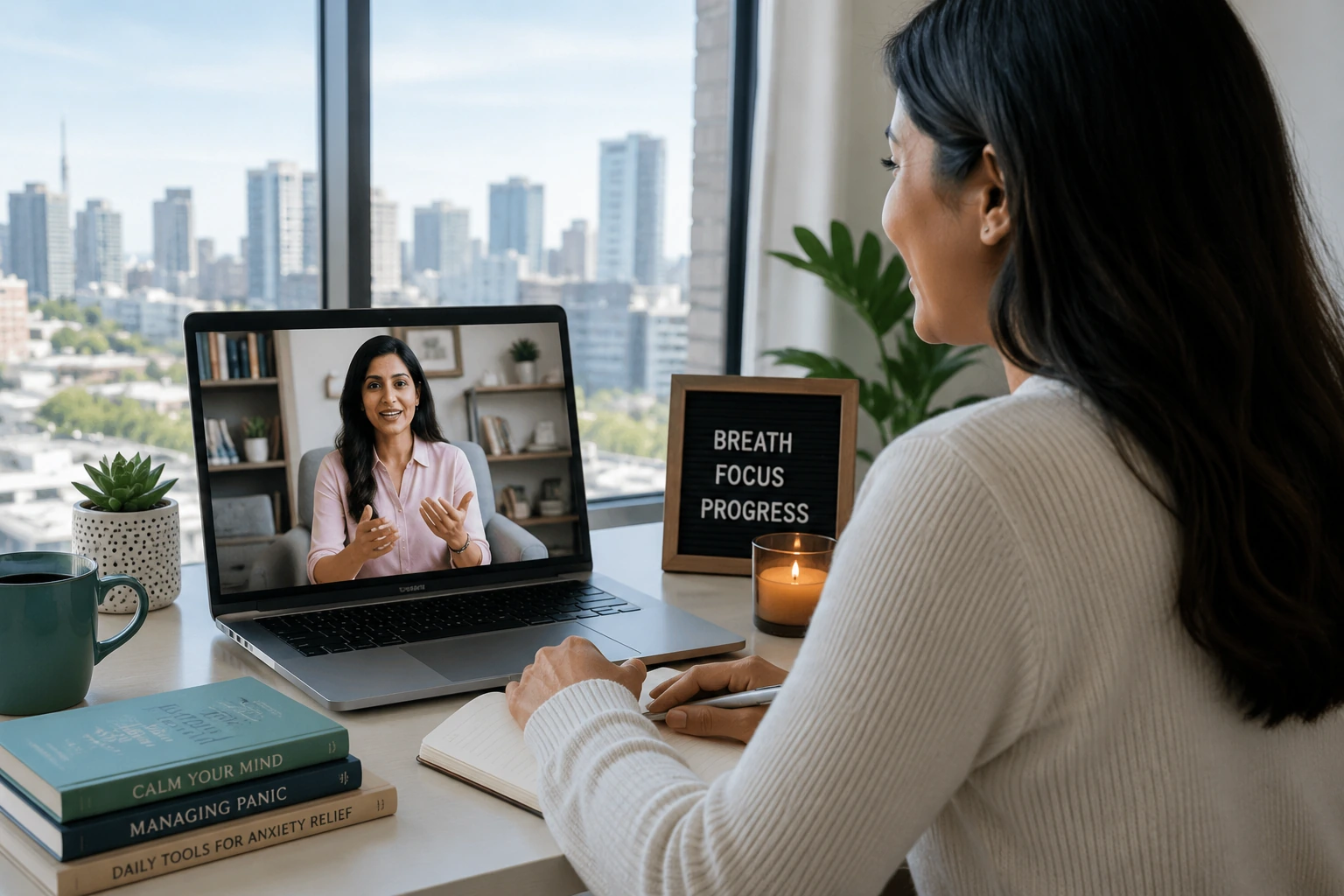
Adult attending online counselling for panic attacks with an Indian clinical psychologist
Structured panic-focused counselling Assessment · panic cycle · exposure planning · progress review
India and international time zones

Compare qualifications, methods and areas of panic treatment

Meet Our Panic Attack Psychologists and Counsellors

Choose a professional based on clinical qualifications, therapeutic approach, languages and the type of panic symptoms affecting you. Sessions are available for adults in India, NRIs and international clients across time zones.

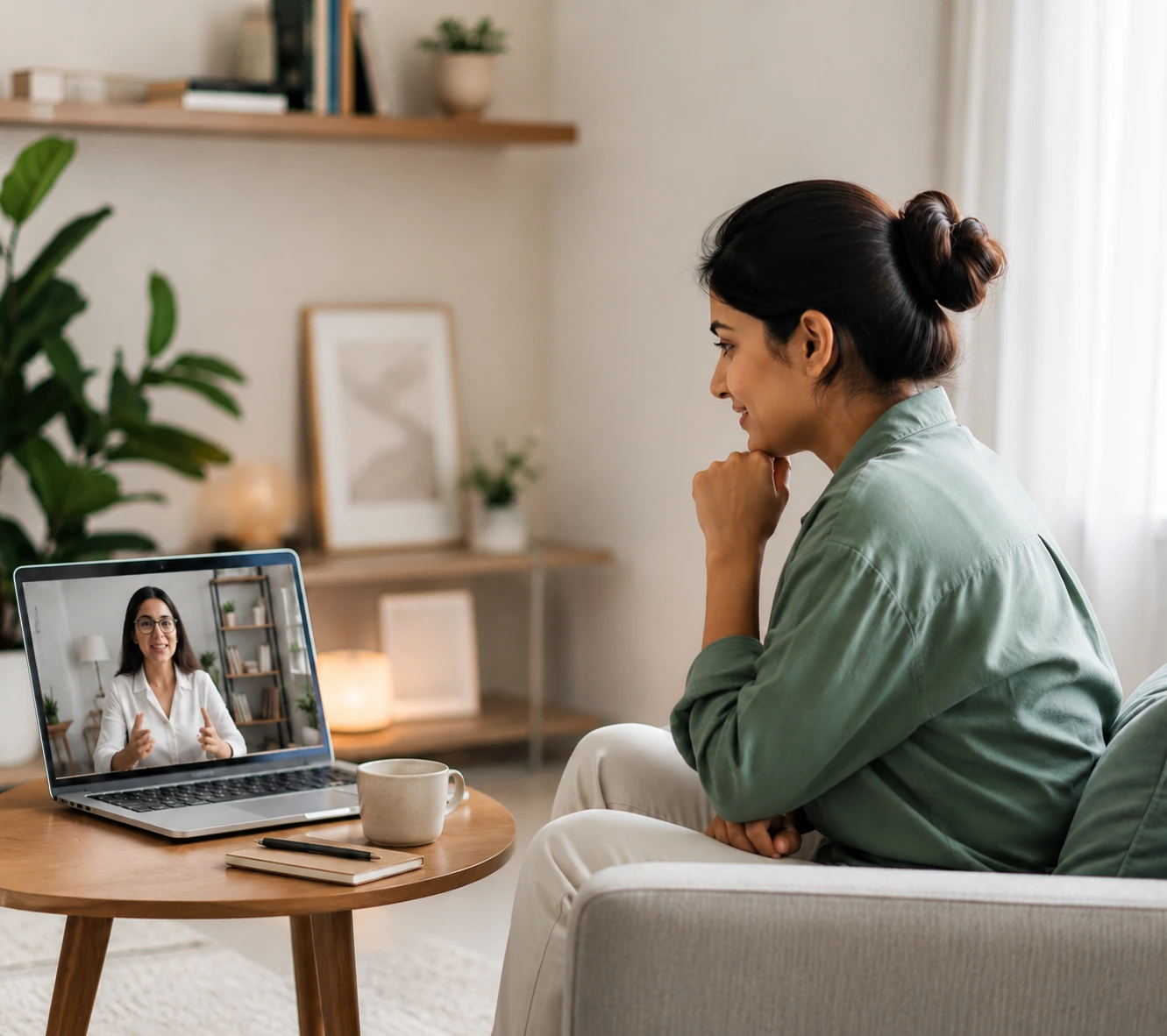
Mrs. Mansi More Nopany, senior clinical psychologist providing online panic attack counselling Available online

Senior Clinical Psychologist

Mrs. Mansi More Nopany

RCI-Registered · 9+ years of clinical experience

Assessment & Complex Panic

PhD Scholar · M.Phil. Clinical Psychology · PGDGC · M.A. Applied Psychology

Languages: Hindi, English

Mansi provides assessment-led treatment for recurrent panic attacks, panic disorder, health anxiety and symptoms overlapping with trauma, depression or relationship stress. She uses clinical formulation, panic-cycle mapping, symptom monitoring, cognitive restructuring and behavioural planning. Sessions examine feared physical sensations, repeated medical reassurance, avoidance and the effect of panic on work, relationships and independence.

  • Recurrent and complex panic attacks
  • Panic disorder assessment
  • Health anxiety and medical fears
  • Clinical formulation and treatment planning
50-minute private session ₹2,799 USD pricing available

Recommended for recurring attacks, an existing diagnosis, reduced daily functioning or panic symptoms complicated by other psychological concerns.

Book Appointment
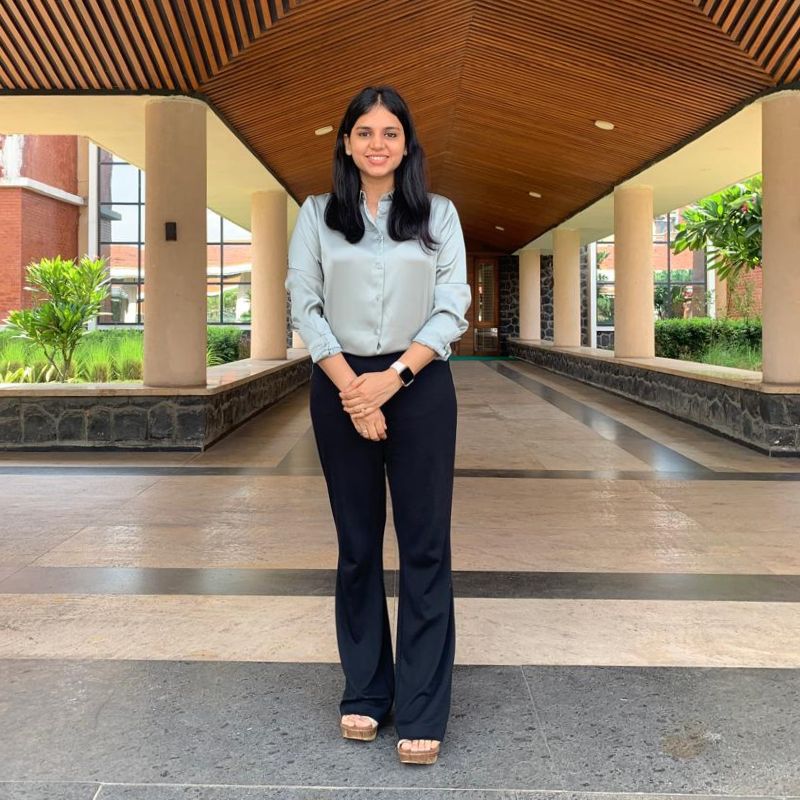
Mohit Yadav, clinical psychologist providing CBT and exposure-based therapy for panic attacks Available online

Clinical Psychologist

Mohit Yadav

RCI-Registered Clinical Psychologist

CBT & Exposure-Based Therapy

CBT-Informed Therapy · Behavioural Strategies · Exposure-Based Work

Languages: Hindi, English

Mohit uses structured CBT, behavioural experiments and graded exposure for panic connected with driving, flights, crowds, public transport, exercise, enclosed spaces or being alone. Sessions map catastrophic predictions, escape responses and safety behaviours, then build a step-by-step practice plan. Between-session exercises help clients test feared outcomes and gradually return to situations panic has restricted.

  • Situational panic attacks
  • Driving, travel and crowd avoidance
  • Fear of bodily sensations
  • Behavioural experiments and graded exposure
50-minute private session ₹1,799 USD pricing available

Recommended when panic is limiting travel, exercise, work, independence or participation in previously manageable situations.

Book Appointment
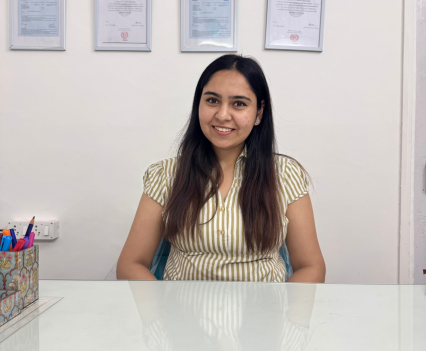
Bipasha Sharma, psychologist providing CBT and mindfulness therapy for panic attacks Available online

Counselling and Developmental Psychologist

Bipasha Sharma

RCI-Registered · Professional credentials verified

Anticipatory Anxiety

CBT · Mindfulness · Integrative Therapy

Languages: Hindi, English

Bipasha uses CBT, mindfulness and integrative therapy for fear of another attack, body scanning and catastrophic interpretations of heartbeat, breathing or dizziness. Sessions may use thought records, attention exercises, cognitive reframing, grounding and planned between-session practice. She also considers work pressure, family expectations, relocation and cross-cultural stress affecting Indian, NRI and international clients.

  • Fear of future panic attacks
  • Body scanning and symptom checking
  • Catastrophic thoughts about health
  • CBT, mindfulness and thought records
50-minute private session ₹1,799 USD pricing available

Recommended for anticipatory anxiety, repeated symptom monitoring, reassurance-seeking and fear of panic while working, travelling, sleeping or being alone.

Book Appointment
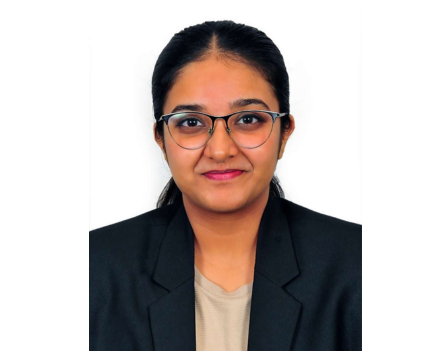
Amritha H., counselling psychologist and CBT practitioner providing online panic attack counselling Available online

Counselling Psychologist and Certified CBT Practitioner

Amritha H.

Qualifications and CBT training verified

CBT & Neurodivergent-Affirming

Certified CBT Practitioner · Mindfulness · Neurodivergent-Affirming

Languages: English, Malayalam, Tamil, Hindi

Amritha combines CBT, mindfulness, panic diaries, cognitive reframing and gradual behavioural practice for panic sensations, anticipatory anxiety and reassurance-seeking. Worksheets, exercises and session pacing can be adapted around sensory sensitivity, communication style and processing needs. Her approach also considers panic connected with relocation, unfamiliar environments, workplace pressure and adjusting to life abroad.

  • Panic diaries and pattern tracking
  • Reassurance-seeking and avoidance
  • Sensory and processing differences
  • CBT and neurodivergent-affirming care
50-minute private session ₹1,799 USD pricing available

Recommended for clients who need structured panic counselling adapted around neurodivergence, sensory sensitivity, communication preferences or major life transitions.

Book Appointment
K. S. Veena, RCI-registered counsellor providing multilingual online support for panic symptoms Available online

RCI-Registered Mental Health Counsellor

K. S. Veena

Registration and professional qualifications verified

Practical Panic Management

CBT-Informed Counselling · Emotional Support · Practical Coping

Languages: English, Tamil, Kannada, Telugu, Hindi

Veena uses psychoeducation, grounding, paced breathing, trigger tracking and personalised coping plans for occasional panic episodes and stress-related physical anxiety. Sessions help clients recognise early signs, understand the body’s alarm response and practise strategies for work, travel and family situations. Her multilingual approach is useful for clients who express distress more comfortably in an Indian language.

  • Occasional panic episodes
  • Grounding and paced breathing
  • Trigger tracking and coping plans
  • Multilingual online counselling
50-minute private session ₹1,799 USD pricing available

Recommended for stress-linked panic symptoms, emotional overwhelm and clients seeking practical counselling in a familiar language.

Book Appointment

Panic attack counselling experiences

What Clients Say About Panic Attack Counselling at LeapHope

Adults in India, NRIs and international clients share their experiences of understanding panic symptoms, reducing fear of future attacks and gradually returning to situations they had started avoiding.

Fear of a heart attack
Every attack felt like a heart problem even after my medical reports came back normal. I kept checking my pulse and asking people whether I looked unwell. My psychologist helped me understand the panic cycle, question the danger I attached to physical sensations and gradually stop relying on constant reassurance.
Adult counselling client India · Anonymised feedback
Panic while driving
After having a panic attack on the highway, I stopped driving alone and started avoiding longer routes. Therapy was practical and structured. We created a gradual exposure plan, worked on my fear of becoming trapped and reviewed what happened after each practice. I slowly began driving independently again.
NRI counselling client United Arab Emirates · Anonymised feedback
Fear of another attack
The attacks were frightening, but the constant fear between them had become even worse. I monitored every change in my breathing and avoided being alone. Counselling helped me identify body scanning, catastrophic thoughts and safety behaviours I had not recognised. The sessions gave me a clear plan instead of only telling me to relax.
NRI counselling client United Kingdom · Anonymised feedback
Panic at work
I had a panic attack during a meeting and became terrified it would happen again in front of my colleagues. I started avoiding presentations and always sat close to the door. My therapist helped me work on the feared outcome, reduce escape behaviours and practise staying present during gradually more difficult work situations.
Working professional India · Anonymised feedback
Nocturnal panic attacks
I would wake suddenly with my heart racing and feel afraid to go back to sleep. Living abroad made it harder because my family was in another time zone. My psychologist helped me understand nocturnal panic, track the episodes and work on the fear and habits that had developed around sleep.
NRI counselling client Canada · Anonymised feedback
Travel and crowd avoidance
I had gradually stopped using public transport, travelling alone and entering crowded places because I feared I would panic and have no way to escape. Therapy helped me understand how avoidance was making the fear stronger. We used a step-by-step practice plan that felt challenging but still manageable.
International counselling client Australia · Anonymised feedback
1 / 2

Client experiences are anonymised and lightly edited for privacy and readability. Individual symptoms, treatment needs, progress and outcomes vary.

Recognising how panic may affect your body and everyday life

Panic Can Continue Even Between Attacks

A panic attack may last for a relatively short period, but fear of another episode can affect how you travel, work, exercise, sleep and spend time alone. Counselling examines the physical sensations, catastrophic thoughts, avoidance and safety behaviours that may be keeping this cycle active.

You do not need a panic disorder diagnosis to begin counselling.

Physical sensations, feared outcomes and avoidance patterns

My heart suddenly races or pounds very strongly
I feel unable to breathe properly or get enough air
Chest pressure or pain makes me fear a medical emergency
I become dizzy, light-headed or unsteady
My body trembles or shakes during an episode
I notice tingling or numbness in my hands or face
I suddenly sweat even when I am not physically active
I experience sudden heat, chills or flushing
I feel nauseous or notice discomfort in my stomach
My surroundings or body can suddenly feel unreal
I fear that the sensations mean I am having a heart attack
I worry that I may faint or collapse in public
I feel as though I may lose control of myself
I fear that I may lose touch with reality or go crazy
I remain worried for hours or days after an attack
I constantly wonder when the next attack will happen
I repeatedly check my pulse, breathing or other sensations
I keep seeking reassurance that nothing medical was missed
I need to know where the nearest exit is
I feel unable to go places without a trusted person
I avoid driving, highways, bridges or traffic
I fear flights, trains or public transport where escape feels difficult
I avoid malls, crowds, events or busy public places
Standing in queues makes me feel trapped or unsafe
I avoid exercise because a fast heartbeat feels dangerous
I feel unsafe being alone or far away from home
I wake from sleep in panic or fear going back to bed
I avoid meetings, presentations or situations at work
Panic is restricting travel, independence or life abroad
I want a professional assessment of what I am experiencing

Panic-like symptoms can overlap with physical health conditions. New, severe or unexplained chest pain, breathing difficulty, fainting or other concerning physical symptoms should be medically assessed before being assumed to be caused by panic.

Selected around your panic pattern, avoidance and daily functioning

Approaches Used in Online Panic Attack Counselling

Panic therapy is planned around the sensations you fear, what you believe may happen during an attack, the situations you avoid and the coping behaviours keeping you dependent on reassurance. Methods are selected after assessment rather than applied as one standard programme.

Adult discussing panic attacks with an Indian psychologist during an online counselling session

Clinical Assessment and Panic Formulation

Maps attack frequency, physical sensations, feared outcomes, anticipatory anxiety, avoidance, safety behaviours, previous treatment and impact on everyday functioning.

Cognitive Behavioural Therapy for Panic

Works with thoughts such as “I will faint,” “I am losing control” or “this must be a heart problem” and tests whether those feared outcomes actually occur.

Interoceptive Exposure to Feared Sensations

Carefully planned exercises may help clients experience harmless sensations such as a faster heartbeat, dizziness or breathlessness without automatically interpreting them as dangerous.

Graded Exposure to Avoided Situations

A step-by-step plan supports returning to driving, public transport, crowds, exercise, travel, work meetings or being alone without beginning with the most difficult situation.

Safety-Behaviour and Reassurance Reduction

Therapy examines pulse checking, sitting near exits, carrying medication “just in case,” needing a companion or repeatedly seeking confirmation that nothing is wrong.

Between-Session Practice and Relapse Prevention

Panic diaries, thought records, behavioural exercises and personalised warning-sign plans help clients practise skills between sessions and maintain progress after therapy.

Grounding or breathing strategies may be used for immediate distress, but panic-focused counselling also addresses fear of bodily sensations, catastrophic thinking, avoidance and dependence on safety behaviours.

Indian adult attending online panic attack counselling while living abroad
Private panic counselling across time zones

Panic attack counselling across cultures

Online Panic Attack Counselling for Indians, NRIs and Adults Worldwide

Panic can become harder to manage when you are living away from family, adjusting to another country or trying to explain culturally specific pressures to an unfamiliar therapist. LeapHope connects you with Indian psychologists who understand both panic symptoms and the wider personal, family and cultural context affecting your life.

01

Specialist support beyond your city

Choose a psychologist based on clinical qualifications, panic treatment experience, language and therapeutic approach rather than being limited by local availability or travel distance.

02

Cultural context without repeated explanation

Discuss family expectations, pressure to appear strong, relationship stress, health fears and work demands with a psychologist familiar with Indian family and social realities.

03

Support for panic while living abroad

Work on panic connected with flights, driving, unfamiliar environments, living alone, workplace pressure, immigration stress or being far from your usual support system.

  • Private 50-minute video sessions
  • Flexible international scheduling
  • INR and USD payment options
  • Continue with the same psychologist
  • English and Indian language options
  • No panic disorder diagnosis required

Assessment, progress tracking and coordinated care

How Progress Is Reviewed in Online Panic Attack Therapy

Progress is not judged only by whether another panic attack occurs. Your psychologist reviews changes in fear, avoidance, body monitoring, daily functioning and your ability to respond differently when panic sensations appear.

01

Assessment Establishes the Starting Point

The psychologist reviews attack frequency, physical sensations, feared outcomes, avoidance, safety behaviours, previous treatment, medical history and the effect of panic on everyday functioning.

02

Progress Is Measured Beyond Attack Frequency

Reviews may consider reduced fear of future attacks, less body checking, fewer escape behaviours and greater confidence while driving, travelling, exercising, working or being alone.

03

The Therapy Plan Is Adjusted as You Progress

Your psychologist reviews exercises, panic records and real-life practice between sessions. CBT, behavioural experiments, exposure work or coping strategies can then be paced or adjusted according to your response.

04

Psychiatric or Medical Referral When Needed

When symptoms require medication assessment, psychiatric care or further medical evaluation, your psychologist can recommend referral to a trusted psychiatrist or appropriate medical professional while psychological therapy continues where suitable.

Progress review
  1. 1Clinical assessment symptoms, avoidance and functioning reviewed
  2. 2Ongoing adjustment methods adapted according to progress
  3. 3Coordinated referral psychiatrist or medical support when required

Your psychologist remains responsible for reviewing progress, discussing treatment decisions and helping coordinate additional professional care when panic symptoms require support beyond counselling alone.

Clinical answers before starting panic therapy

Frequently Asked Questions About Online Panic Attack Counselling

Direct answers about panic assessment, CBT, exposure therapy, cardiophobia, agoraphobia, medication referral, online sessions, Indian psychologists and worldwide access through LeapHope.

What is online panic attack counselling?

Online panic attack counselling is structured psychological treatment delivered through private video sessions. LeapHope psychologists assess attack patterns, feared bodily sensations, catastrophic thoughts, avoidance, reassurance-seeking and daily impairment before planning panic-focused therapy.

Can I start panic attack counselling without a diagnosis?

Yes. You can begin counselling after one frightening episode, recurring panic attacks, persistent fear of another attack or increasing avoidance. A previous panic disorder diagnosis is not required. An eligible clinical psychologist can assess the presentation before treatment is planned.

Can LeapHope assess panic attacks and panic disorder?

Yes. LeapHope’s RCI-registered clinical psychologists can assess panic frequency, unexpected and situational attacks, anticipatory anxiety, physical sensations, avoidance, safety behaviours, agoraphobic patterns, previous treatment and functional impairment. Assessment also identifies when medical or psychiatric input is required.

What happens in the first panic counselling session?

The first appointment is a complete 50-minute session. The psychologist reviews when the attacks began, what you feel, what you fear will happen, situations you avoid, medical checks, medication, previous treatment and the effect on work, travel, sleep, relationships and independence.

What is the difference between a panic attack and panic disorder?

A panic attack is a sudden episode of intense fear or discomfort with symptoms such as racing heart, breathlessness, dizziness, trembling or fear of losing control. Panic disorder involves recurrent unexpected attacks followed by persistent worry, behavioural change or avoidance.

Does LeapHope provide CBT for panic attacks?

Yes. Appropriately trained LeapHope psychologists provide CBT-informed therapy for panic attacks and panic disorder. CBT examines catastrophic interpretations of bodily sensations, anticipatory anxiety, escape responses, avoidance and safety behaviours, then uses structured exercises to change the panic cycle.

What is interoceptive exposure for panic attacks?

Interoceptive exposure is a CBT technique that uses controlled, therapist-planned exercises to bring on selected bodily sensations associated with panic. The purpose is to test feared predictions and reduce the belief that sensations such as dizziness or a faster heartbeat automatically signal danger.

Will exposure therapy force me into my biggest fear?

No. Exposure work is collaborative, planned and graded. The psychologist first identifies feared sensations, situations, predictions and safety behaviours. Practice usually progresses from manageable steps rather than beginning with the most difficult situation, and it is adjusted according to clinical need.

What happens if I have a panic attack during an online session?

Your psychologist remains present, checks immediate safety and helps you observe the sensations, thoughts and responses occurring during the episode. Grounding or paced breathing may be used when appropriate, followed by a structured review of what triggered and maintained the panic response.

Can therapy help when I fear a heart attack despite normal tests?

Yes. After appropriate medical evaluation, panic counselling can address cardiophobia, repeated pulse checking, body scanning, emergency reassurance-seeking and catastrophic interpretations of chest sensations or heartbeat changes. Therapy does not dismiss physical symptoms; it separates medically assessed risk from the panic cycle.

Can panic therapy help with driving, travel and agoraphobia?

Yes. Panic therapy can address avoidance of driving, flights, public transport, traffic, crowds, queues, enclosed spaces, exercise or being far from home. Graded exposure and behavioural experiments help clients test feared outcomes and rebuild independent functioning step by step.

Can LeapHope help with panic attacks during sleep?

Yes. LeapHope psychologists work with nocturnal panic, fear of returning to sleep, repeated checking after waking and anxiety about being alone at night. Assessment also considers sleep patterns, medication, substances and physical symptoms that may require medical evaluation.

Can panic attacks cause derealisation or depersonalisation?

Yes. Some people feel detached from themselves, mentally distant or as though their surroundings are unreal during intense panic. Therapy addresses the fear attached to these sensations, the belief that they mean losing control and the avoidance or checking that follows.

How long does online panic attack therapy take?

Panic attack therapy duration depends on attack history, agoraphobic avoidance, associated conditions, previous treatment and engagement with between-session work. LeapHope reviews progress through reduced fear, less checking and escape, improved functioning and return to previously avoided activities.

Does LeapHope provide medication for panic disorder?

Psychologists do not prescribe medication. When psychiatric assessment or medication treatment may be required, LeapHope can refer the client to a trusted psychiatrist. Psychological therapy can continue alongside psychiatrist-led treatment when clinically appropriate, with each professional working within their scope.

When should panic-like symptoms receive medical evaluation?

New, severe or unexplained chest pain, fainting, major breathing difficulty, neurological changes, symptoms following substance use or a significant change in physical health require medical evaluation. Psychological treatment should not replace appropriate examination of unfamiliar or potentially urgent physical symptoms.

Can panic attacks overlap with anxiety, depression or trauma?

Yes. Panic may overlap with health anxiety, general anxiety, depression, trauma, OCD, social anxiety or substance-related concerns. LeapHope assesses the full presentation and can connect clients with focused anxiety counselling when broader anxiety patterns require treatment.

Why choose LeapHope for online panic attack counselling?

LeapHope provides named psychologists, visible qualifications, RCI registration where applicable, panic-specific treatment methods, clinical assessment, clear fees, language choice and continuity with the same professional. Psychiatric and medical referral pathways are available when counselling alone is not sufficient.

Is online panic attack counselling available in India and worldwide?

Yes. LeapHope provides online panic attack counselling across India and for NRIs and non-Indian international clients in the United States, Canada, United Kingdom, UAE, Australia, New Zealand, Europe and Asia. Sessions are scheduled across Indian and international time zones. Explore therapy for NRIs .

Which languages, fees and session options does LeapHope offer?

LeapHope provides private 50-minute online sessions priced at ₹1,799 or ₹2,799 according to the psychologist, with USD payment options for international clients. Sessions are available in English, Hindi, Tamil, Kannada, Telugu and Malayalam, and clients can continue with the same psychologist.

Scroll to Top