
Last Updated on October 10, 2026
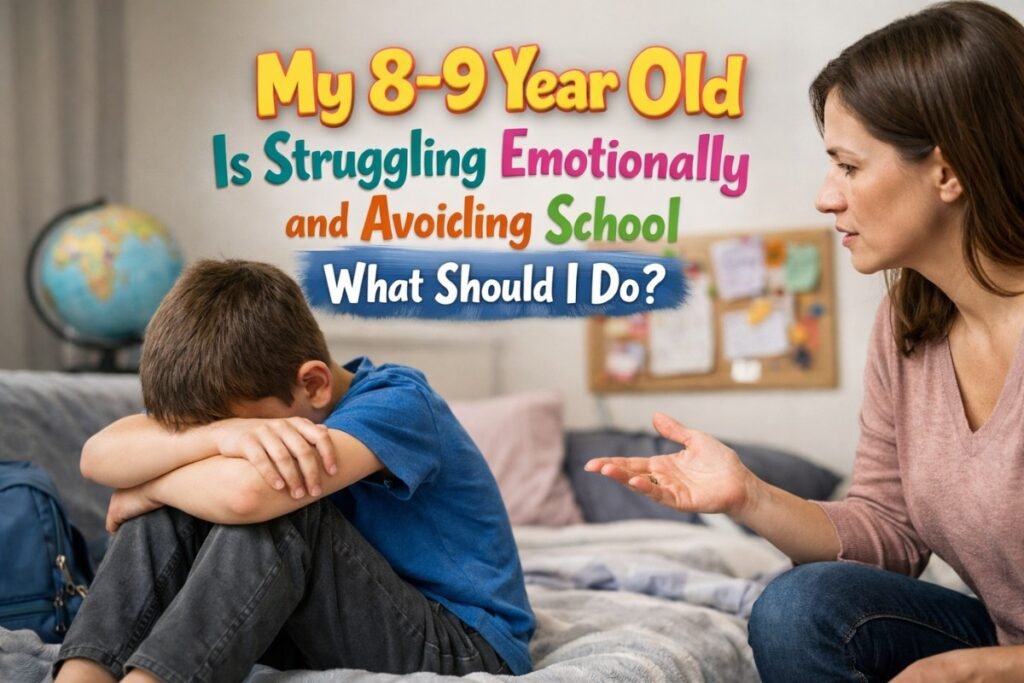
A child occasionally saying “I don’t want to go to school” is common. The concern is when reluctance becomes repeated crying, physical complaints, delaying, missed school, leaving early or complete refusal to attend.
Psychologists generally use school refusal or school avoidance to describe this pattern. It is a behaviour, not a diagnosis.
The reason may involve anxiety, academic difficulty, bullying, family stress, learning problems, attention difficulties or another issue. The first step is understanding why school has become difficult for the child, rather than treating the refusal itself as the whole problem.
What Is School Refusal in Children?
School refusal means a child has repeated difficulty attending school or remaining there for the full day.
It can appear as:
- refusing to get ready
- crying or becoming highly distressed before school
- frequent headaches or stomach aches on school days
- repeated lateness
- asking to come home early
- missing particular days or classes
- attending reluctantly after prolonged arguments
- completely refusing to attend
School refusal is different from an occasional bad morning.
It is also usually different from deliberate truancy. Many children who refuse school are visibly distressed, their parents know they are absent, and the child may actually want to attend but feel unable to manage something associated with school.
Why Does a Child Refuse to Go to School?
There is rarely one explanation that fits every child.
The same behaviour can come from very different difficulties. A child refusing school because of bullying needs a different response from a child avoiding a difficult maths class or a child struggling with separation anxiety.
Anxiety and Fear
Anxiety is one of the common psychological factors associated with school refusal.
The fear may involve:
- separating from parents
- speaking in front of the class
- making mistakes
- being judged by classmates
- examinations
- meeting a particular teacher
- unfamiliar situations
- something bad happening while the child is away from home
Some children explain these worries clearly.
Others may simply say:
“I don’t like school.”
“I feel sick.”
“I don’t want to go.”
Repeated reassurance may temporarily calm the child without resolving the underlying fear.
If anxiety is affecting several areas of your child’s life, it may be useful to look more closely at child anxiety.
Academic Difficulties
School refusal does not always begin with an emotional problem.
Sometimes the child is struggling academically.
Look for:
- difficulty reading or writing
- problems understanding maths
- difficulty following classroom instructions
- taking much longer than expected to finish homework
- fear of being asked questions
- repeated poor marks
- avoiding tests
- losing confidence after schoolwork becomes harder
A child may say they “hate school” when the real problem is repeatedly feeling unsuccessful there.
Before treating the behaviour as laziness or lack of discipline, parents should find out whether the child is actually keeping up with classroom demands.
Bullying and Social Problems
Peer problems can quickly change how a child feels about attending school.
This may involve:
- bullying
- teasing
- exclusion
- friendship breakdowns
- being threatened
- being embarrassed in front of others
- fear of a particular child or group
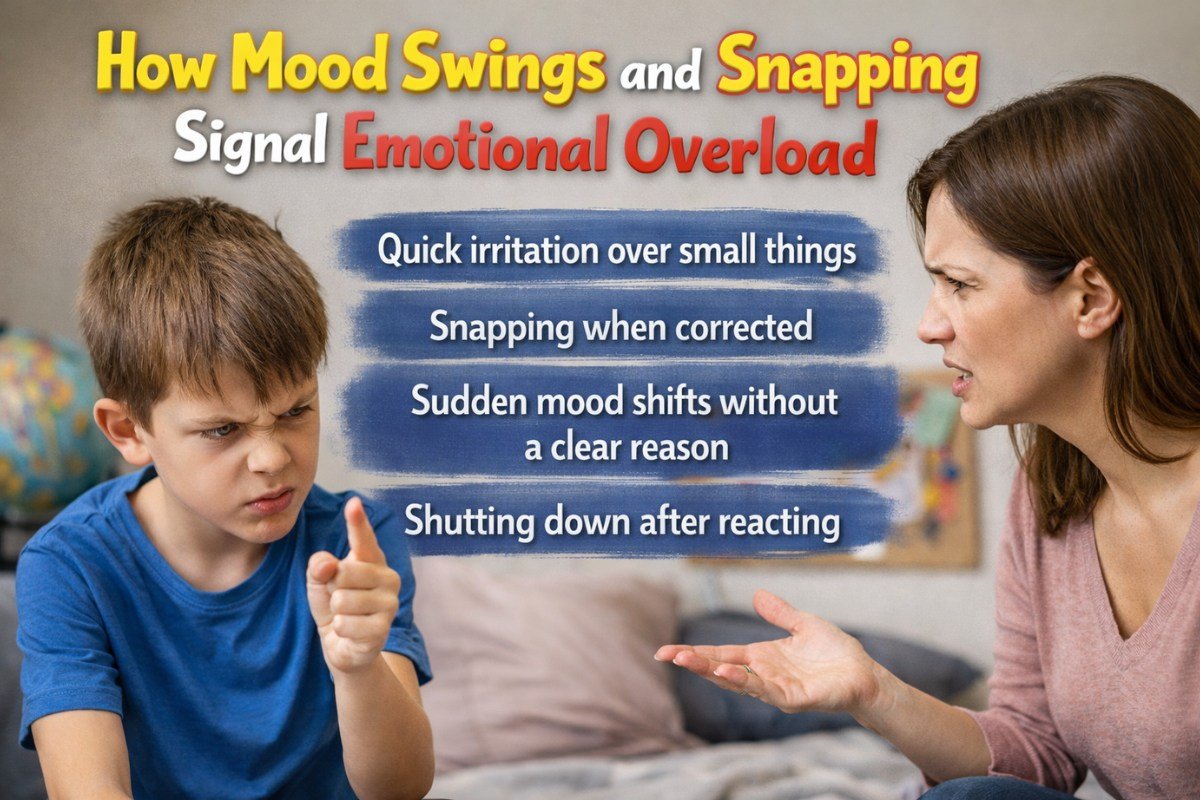
Children do not always use the word “bullying.”
They may say:
“They keep troubling me.”
“I don’t want to sit there.”
“Nobody talks to me.”
“I don’t like that boy.”
A sudden change in school attendance, friendships or behaviour deserves closer attention.
Bullying should not simply be treated as anxiety that the child needs to “push through.” The actual school problem has to be addressed.
Fear of a Teacher or Classroom Situation
Some children become particularly anxious around one teacher, subject or classroom.
The issue may involve:
- fear of being scolded
- public correction
- embarrassment after giving a wrong answer
- strict classroom expectations
- fear of punishment
- difficulty asking for help
- feeling unable to keep up
Parents should avoid immediately assuming either that the teacher is at fault or that the child is exaggerating.
Instead, compare what your child reports with what the school observes.
Ask which lessons are most difficult, when participation drops and whether the child behaves differently in one class.
Stress and Academic Pressure
For some Indian children, school is only one part of the academic day.
School may be followed by homework, tuition, coaching classes, tests and additional study.
Academic pressure can become more difficult when combined with:
- fear of poor marks
- comparison with classmates
- comparison with siblings
- repeated criticism about performance
- competitive entrance preparation
- little recovery time after school
This does not mean academic expectations automatically cause school refusal.
But when refusal becomes stronger around tests, results or particular subjects, the academic load needs to be considered.
LeapHope also supports children dealing with wider school stress.
Changes at Home or School
School refusal can sometimes begin after a major change.
Examples include:
- changing school
- changing class
- a new teacher
- relocation
- prolonged illness
- returning after a long absence
- parental separation
- family conflict
- bereavement
- another stressful family event
Timing matters.
A child who has struggled with school for several years raises different questions from a child who was attending comfortably and suddenly began refusing.
When the change is sudden, ask:
What changed before the refusal started?
Can Avoiding School Make the Problem Worse?
Sometimes, yes.
Avoiding a feared situation can bring immediate relief.
A child who stays home may feel calmer because the difficult lesson, separation, peer problem or stressful situation has been removed.
That short-term relief can make avoidance more likely the next time the same situation appears.
This does not mean every child should simply be forced into school.
If the child is avoiding bullying, humiliation, a genuine safety concern or an untreated academic or medical problem, the underlying problem needs to be addressed.
The important distinction is between escaping a real problem that needs intervention and repeatedly avoiding manageable anxiety until attendance becomes harder and harder.
Could a Mental Health or Developmental Issue Be Involved?
Sometimes school refusal is one part of a wider pattern.
Clinical assessment may be worth considering when there are concerns involving:
- anxiety disorders
- ADHD or attention difficulties
- persistent sadness or depression
- strong shyness or social fear
- learning disabilities
- autism or other developmental differences
- sleep difficulties
- physical health problems
For example, a child with attention difficulties may also struggle with homework, organisation and following instructions at home.
A child with a learning difficulty may repeatedly avoid subjects where they feel behind.
A child experiencing persistent low mood may withdraw not only from school but also from friends and activities they previously enjoyed.
These patterns do not confirm a diagnosis.
School refusal by itself cannot diagnose ADHD, anxiety, depression, a learning disability or another condition. A proper assessment is needed to understand whether a broader emotional, attention, learning or developmental difficulty is contributing.
Indian clinical research has also found that school refusal can involve a combination of psychiatric, academic and family factors rather than one single cause. Research on school refusal in Indian children
Is It Normal Reluctance or Something Parents Should Worry About?
Not every complaint about school needs psychological treatment.
Temporary reluctance is more likely when:
- complaints happen occasionally
- the child still attends regularly
- distress settles once school begins
- learning and friendships remain stable
- the problem gradually improves
- the child continues enjoying other parts of school
Look more closely when:
- absences are increasing
- the child regularly cannot enter or stay at school
- distress is becoming stronger
- physical complaints repeatedly occur on school days
- one subject, teacher or student is strongly avoided
- academic performance changes
- the child becomes socially withdrawn
- sleep or appetite changes
- the same difficulties appear outside school
- family life starts revolving around getting the child to attend
The direction of change matters more than an arbitrary number of days.
A child who is slowly improving is different from a child whose avoidance is spreading.
What Should Parents Do When a Child Refuses School?
The response should depend on what is causing the refusal.
Find Out What Is Making School Difficult
Avoid beginning every conversation with:
“Why don’t you want to go?”
Children often cannot answer such a broad question.
Ask about specific areas:
- Which class feels hardest?
- Is anyone bothering you?
- Are you worried about a teacher?
- Is any work difficult to understand?
- Is there anything happening during break or lunch?
- Are you worried about a test?
- Has anything changed recently?
Specific questions usually provide better information.
Speak With the School
Parents see mornings, homework and behaviour at home.
Teachers see classroom performance, friendships, attention and participation.
Both perspectives are important.
Ask the school:
- Which subjects require the most help?
- Has classroom participation changed?
- Does the child appear anxious or withdrawn?
- What happens during break and lunch?
- Have teachers noticed teasing or exclusion?
- Does the child frequently ask to leave class?
- Has academic performance changed?
- Is one class or activity regularly avoided?
Avoid settling for only:
“They seem fine here.”
A child can remain quiet and compliant while still struggling.
Keep the Family Response Consistent
School refusal can become harder to manage when adults respond very differently.
One parent may insist on attendance while another parent or grandparent immediately allows the child to stay home.
Try to agree on the same basic response.
Avoid:
- shouting
- humiliation
- calling the child lazy
- repeated threats
- long morning arguments
- changing the rules every day
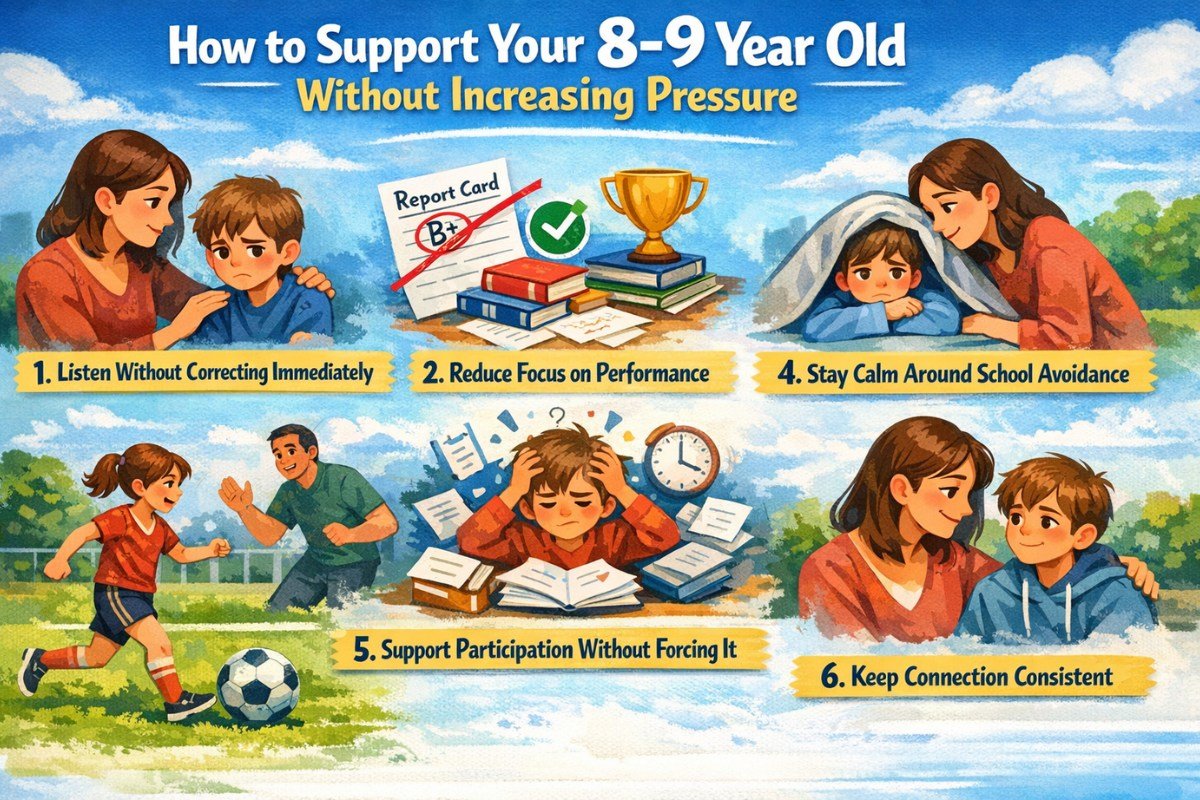
Parents can remain calm and firm while still taking the child’s distress seriously.
Address the Actual Problem
There is no single solution for every child.
If academic difficulty is driving avoidance, investigate learning support.
If bullying is involved, work with the school to address it.
If anxiety is the main issue, psychological support may focus on coping skills and gradually facing manageable situations.
If difficulties with attention, learning or development are suspected, assessment may be needed.
If major family stress is contributing, that also needs attention.
Treating only the behaviour of refusing school can miss the reason underneath it.
Should Parents Force a Child to Go to School?
Parents should not ignore repeated school avoidance, but simply forcing attendance without understanding the reason can also create problems.
First check whether the child is dealing with:
- bullying
- threats
- humiliation
- significant academic difficulty
- severe emotional distress
- physical illness
- another genuine safety concern
If these have been addressed or ruled out and anxiety-based avoidance is developing, repeatedly staying home can make returning more difficult.
The aim is not:
“Make the child attend at any cost.”
It is:
Understand the reason, address the problem and support regular attendance.
When Should You Consult a Child Psychologist?
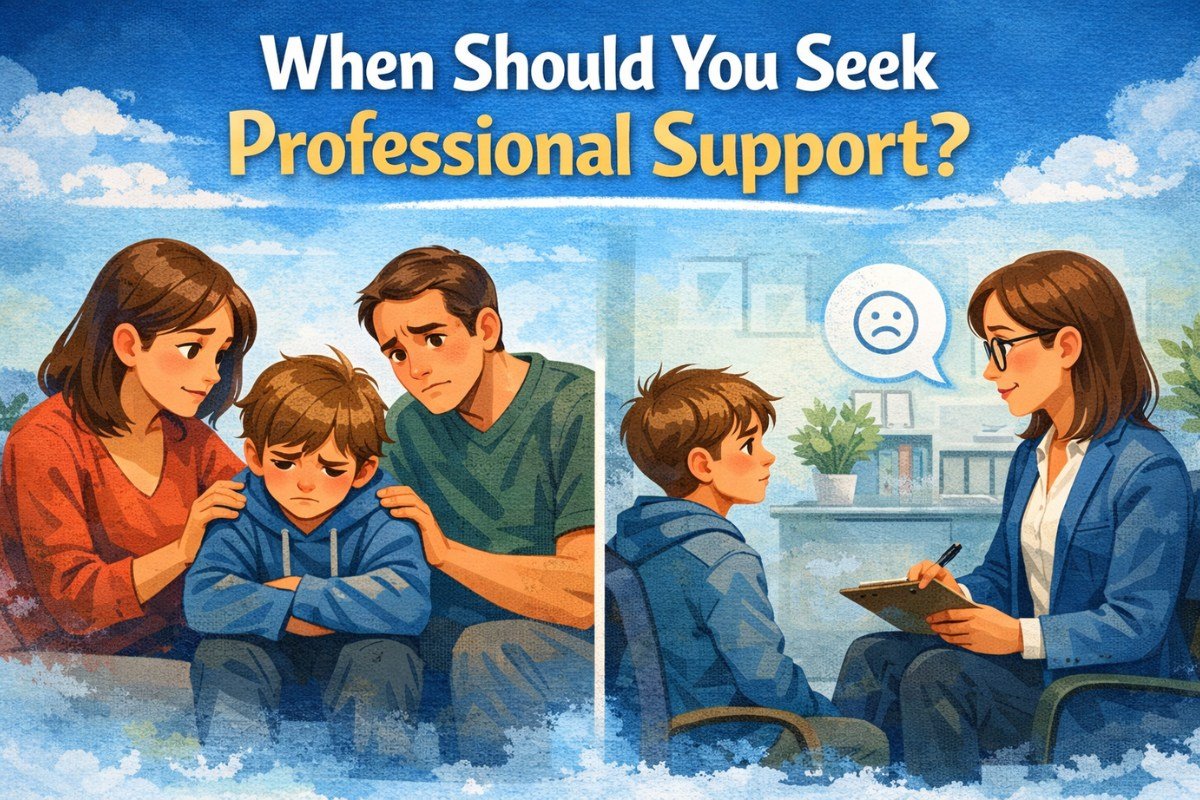
Professional assessment becomes more useful when:
- school refusal is becoming frequent
- attendance is falling
- the child cannot remain at school
- distress is severe or worsening
- physical complaints repeatedly interfere with attendance
- anxiety or fears appear across several situations
- the child becomes persistently sad or withdrawn
- academic performance drops significantly
- ADHD or attention difficulties are suspected
- a learning disability may be affecting schoolwork
- developmental concerns are present
- bullying has caused significant emotional distress
- similar problems appear at home and school
- parents and teachers still cannot understand what is driving the behaviour
LeapHope provides child and teen counselling for emotional, behavioural and school-related difficulties.
Families in India can also consult LeapHope’s child psychologists in India.
How Can a Child Psychologist Help With School Refusal?
A child psychologist does not assess school refusal by looking only at whether the child attends school.
Assessment may look at:
- when the refusal began
- emotional symptoms
- fears and anxiety
- behaviour at home and school
- academic functioning
- attention and concentration
- possible learning difficulties
- peer relationships
- family changes
- developmental history
- what happens when school is avoided
The purpose is to understand what is contributing to the behaviour.
Support can then be matched to the actual problem instead of assuming every child needs the same school-refusal strategy.
Final Thoughts
School refusal should not automatically be labelled stubbornness, laziness, anxiety or a behaviour problem.
It is a sign that something about school, the child’s emotional state, learning, relationships or wider functioning needs to be understood more clearly.
The most useful question is not only:
“How do I make my child go to school?”
It is:
“What is making school difficult enough that my child is trying not to go?”