Online Sex Therapy
Sexual difficulties do not always present as physical problems. Desire can fade, intimacy can feel strained, or emotional connection can shift even when medical health appears normal.
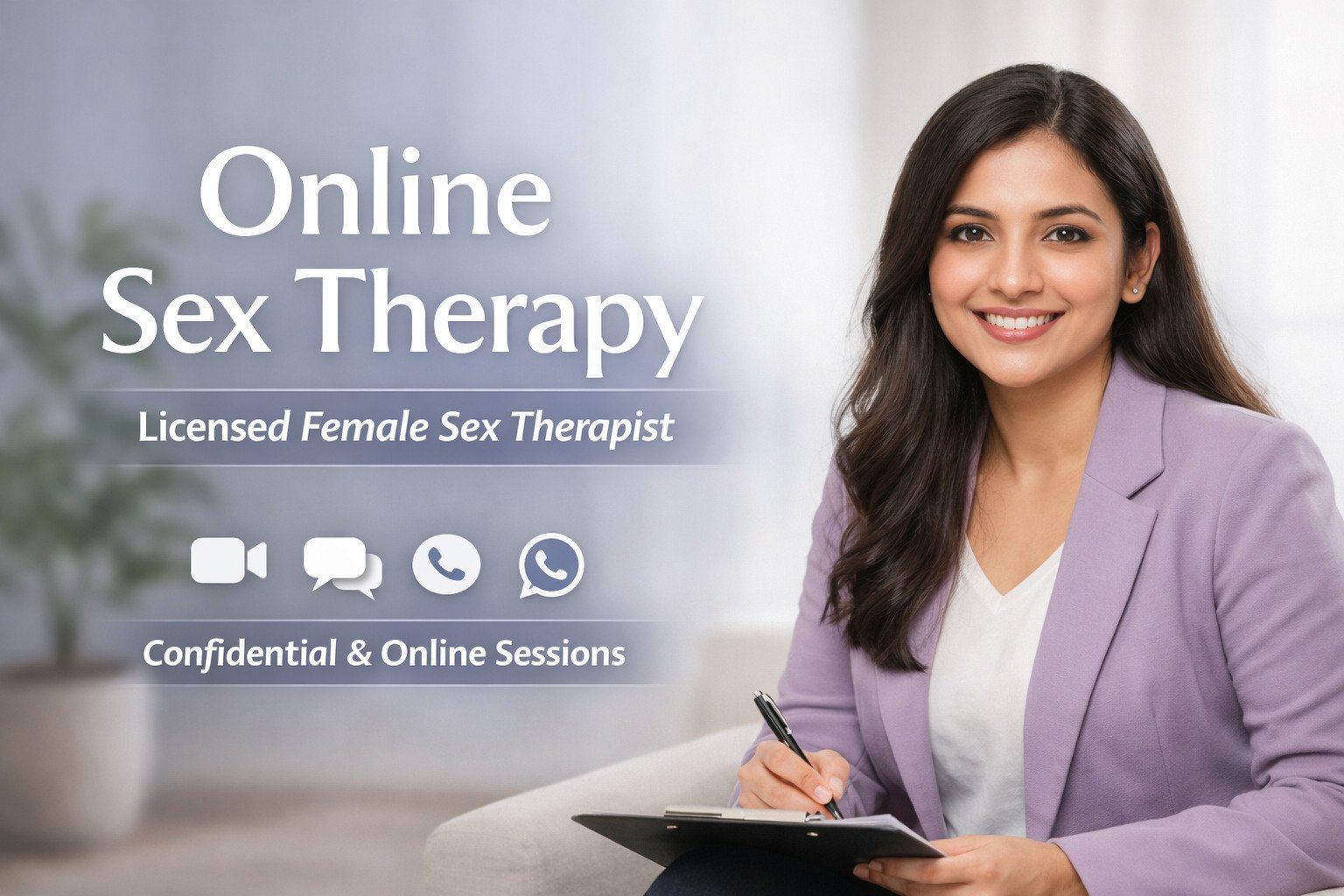
LeapHope provides online sex therapy with RCI-licensed therapists who work with individuals and couples on the psychological and relational factors influencing sexual experiences.
RCI-licensed therapists | Online sessions by appointment | Non-medical therapy
Is Online Sex Therapy Right for You?
Sexual concerns do not always follow a clear medical explanation. Many people seek sex therapy when changes in desire, arousal, or emotional connection begin to affect their relationship or sense of self.
Online sex therapy focuses on understanding what is happening psychologically and relationally, rather than offering quick advice or performance-based solutions.
This service may be suitable if
- Sexual concerns keep repeating despite time or effort
- Medical tests have not provided clear answers
- Sex feels pressured, disconnected, or emotionally distant
- Desire or arousal has changed within a long-term relationship
- You want professional therapy rather than tips or coaching
This service may not be suitable if
- A medical or surgical condition requires treatment
- There is ongoing physical pain during sexual activity
- Safety, abuse, or coercion is involved
- Immediate crisis or emergency support is needed
Common Reasons People Seek Sex Therapy
Changes in sexual desire
Interest in sex reducing or disappearing over time, especially within long-term relationships.
Difficulties during partnered sex
Sexual response working in some situations but not with a partner, leading to confusion or pressure.
Feeling mentally disconnected during intimacy
Being physically present but mentally absent, distracted, or unable to stay engaged.
Sex becoming tense or performance-driven
Anxiety, pressure, or fear of disappointing a partner interfering with natural response.
Mismatched sexual needs
Differences in desire, frequency, or expectations creating distance or repeated conflict.
Unhelpful sexual habits
Patterns developed over time that reduce interest, arousal, or satisfaction in real-life intimacy.
Sex becoming infrequent or absent
Long gaps without intimacy that are difficult to talk about or resolve as a couple.
Difficulty talking about sex
Conversations about intimacy leading to avoidance, discomfort, or repeated misunderstandings.
When these concerns are part of an ongoing relationship or marriage, couples may benefit from structured online marriage counselling alongside sex therapy.
How Online Sex Therapy Works
Initial conversation
Understanding the concern and the context around it.
Understanding patterns
Exploring psychological, relational, and behavioural factors.
Focused therapy sessions
Working on the identified issue in a structured way.
Review and direction
Assessing progress and deciding how to continue.
Meet Your Online Sex Therapist
Licensed psychosexual therapy delivered through secure online sessions.

Mrs. Mansi More Nopany
RCI-Licensed Clinical Psychologist · 7+ Years Experience
Works with individuals and couples on sexual concerns involving desire, intimacy, emotional connection, anxiety around sex, and long-standing relationship-related sexual difficulties.
Sessions focus on psychological patterns, relational dynamics, and behavioural habits that influence sexual experiences.
Session length: 50 minutes | Fee: $49
Confidentiality and Professional Boundaries
Sex therapy involves subjects that are rarely discussed openly. For this reason, confidentiality and professional boundaries are central to how online sessions at LeapHope are conducted.
All sessions are handled by a licensed mental health professional. Sessions are not recorded, shared, or observed by any third party. Personal information and session content remain confidential within ethical and legal limits.
Therapy is conducted strictly within professional boundaries. Sessions involve conversation and psychological work only. There is no physical contact, no explicit instruction, and no interaction outside the therapeutic context.
Confidentiality may only be breached in limited situations, such as a serious risk of harm or where disclosure is required by law. These limits are explained clearly if they apply.
Sessions are delivered through secure online formats including video, audio, chat, and WhatsApp-based communication. The same confidentiality standards apply across all formats.
Common Questions About Online Sex Therapy
Can I choose a female sex therapist for online sessions?
Yes. If you feel more comfortable working with a female sex therapist, you can request this preference while booking. Availability depends on the therapist currently offering online sessions. You can view therapist profiles here.
Do both partners need to attend every session?
Not always. Some sessions may involve both partners, while others may be conducted individually depending on the concern being addressed. This is discussed and agreed upon during therapy.
Can sex therapy help when physical health reports are normal?
Yes. Many sexual concerns are influenced by psychological patterns, relational dynamics, stress, or long-standing habits even when medical evaluations do not indicate a physical cause.
What happens in the first sex therapy session?
The first session focuses on understanding the concern, relevant history, and current context. The therapist explains how therapy may proceed and clarifies expectations before any focused work begins.
How long does sex therapy usually take?
The duration varies depending on the nature of the concern and the pace of therapy. Some people seek short-term support, while others continue for a longer period based on progress and goals.
Will the therapist give techniques or exercises?
Therapy may include structured exercises when appropriate, but the focus remains on understanding patterns rather than following instructions. Any exercises are discussed and agreed upon during sessions.
Can sex therapy replace medical treatment?
No. Sex therapy does not replace medical care. When medical conditions are present, therapy may work alongside healthcare providers. You can learn more about psychosexual therapy in general here.
How do I know if I should book a session now or wait?
If a sexual concern has been persistent, is affecting your relationship or sense of wellbeing, or feels difficult to resolve on your own, speaking with a therapist can help clarify the next steps.
