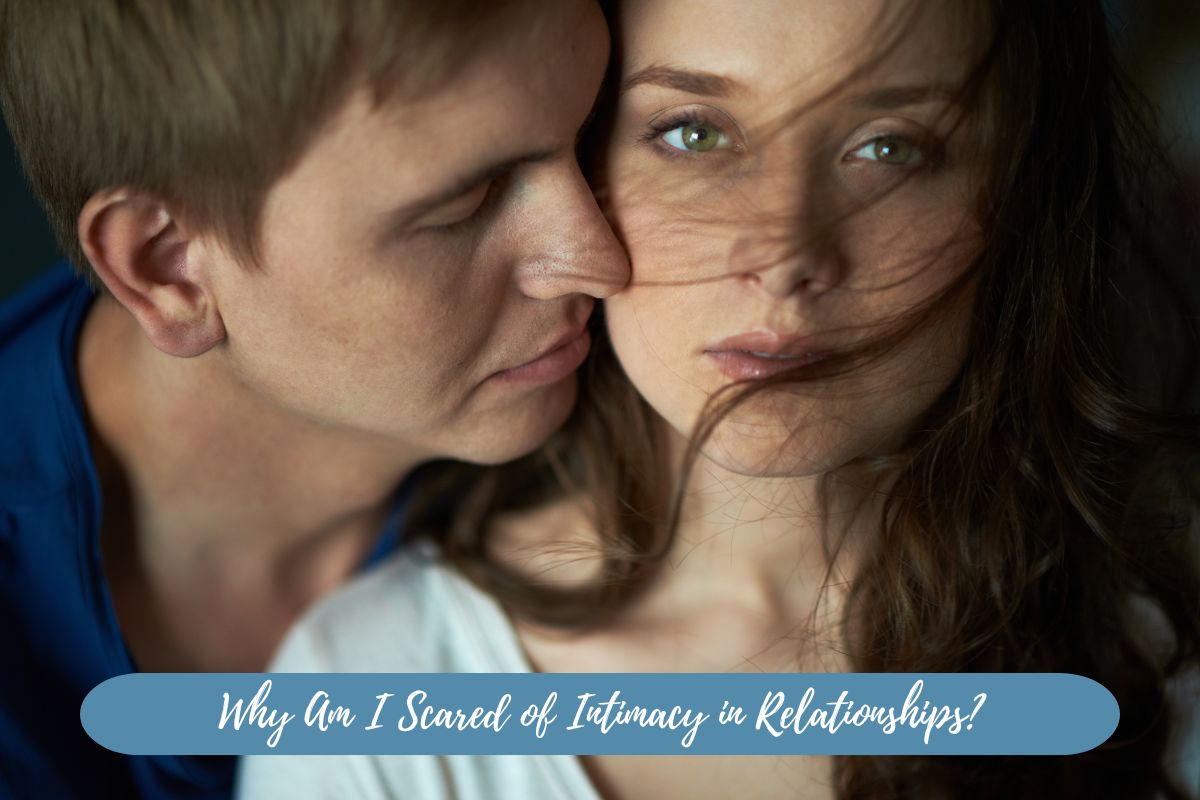
Some people don’t struggle with attraction or dating, they struggle with what happens after connection begins.
Things feel fine at first. Conversation flows. Interest is mutual. But once emotional closeness starts increasing, something shifts. You hesitate. You pull back. You feel uneasy without knowing exactly why.
This reaction is often labelled as a fear of intimacy, but the experience itself is more specific than that. It isn’t about disliking relationships, and it isn’t always about physical closeness. It’s about what closeness demands: emotional exposure, dependency, and being seen without control over the outcome.
Many people misread this pattern as commitment issues, independence, or “not having met the right person yet.” In reality, it often shows up only when a relationship becomes emotionally real.
This page looks at what actually drives fear of intimacy inside relationships, how it develops, and how it quietly shapes behaviour long before someone consciously identifies it.
Intimacy is not limited to physical closeness. It involves emotional exposure, shared inner experiences, and the willingness to be affected by another person. In relationships, intimacy increases when there is honesty, emotional presence, and consistency over time.
There are different kinds of intimacy, like:
When you fear intimacy, it’s hard to let someone get close in any of these ways.
There’s no single reason why people are scared of intimacy, but here are some common fears:
Sharing your true self with someone can feel really risky. You might find yourself thinking, “What if they don’t like the real me?” That fear of rejection can lead you to build up walls to shield yourself.
If you’ve been hurt in the past, it’s completely normal to want to protect yourself from going through that again. Childhood experiences, like feeling unloved or unsupported, can shape your perspective on relationships. Additionally, past betrayals or heartbreaks can make you extra cautious.
When you struggle with yourself, it’s tough to believe that someone else could genuinely love you.You might think, “If they really knew me, they’d want to leave,” so you end up keeping your distance.
Sometimes, people fear that getting close to someone will mean giving up their freedom. They might see intimacy as being stuck or controlled, which can lead them to shy away from deep connections.
It can be scary to let someone see your true self. Being vulnerable means sharing your fears and weaknesses and trusting that person not to hurt you. That can seem like a huge risk.
Not every hesitation around closeness points to a deeper issue. Context matters.
Fear around intimacy often shows up during specific moments rather than as a fixed pattern. This can include:
In these cases, distance usually reduces once safety builds. The discomfort fluctuates instead of controlling your behaviour.
The pattern becomes more concerning when closeness repeatedly triggers withdrawal, even in relationships that feel stable and respectful.
This often looks like:
Here, the issue is not the partner or timing. It is the internal response to being needed, seen, or emotionally depended on.
Many people describe this pattern as independence, high standards, or not meeting the right person yet. Those explanations feel logical, but they avoid a harder truth.
Fear of intimacy is not about disliking closeness. It is about losing emotional control once closeness exists.
Until that difference is recognised, the same cycle tends to repeat across relationships, even when everything else changes.
It’s not always obvious when fear of intimacy is affecting your relationships. Here are some signs:
Fear of intimacy can create a gap in your relationships. Your partner might feel like they can’t get close to you, which can lead to misunderstandings and frustration. Eventually, this can make relationships feel one-sided or even result in them falling apart.
For example:
The great part is that you can work through your fear of intimacy. Just take it step by step, and don’t hesitate to reach out for support if you need it—you’re not alone. Here are some steps to help:
Take time to reflect on why you’re scared. Is it rejection? Trust issues? Pinpointing the cause is the first step to moving forward.
Work on your self-esteem. Remind yourself that you’re worthy of love and connection. Self-love makes it easier to let others in.
If you’re in a relationship, let your partner know how you’re feeling. Explain that your fear isn’t about them but something you’re trying to work through. Open communication can help build understanding.
You don’t have to open up all at once. Start small, like sharing a little more about your day or your feelings. Gradually, you’ll feel more comfortable being vulnerable.
Sometimes, working through fear of intimacy requires professional help. A therapist can provide a safe space to explore your feelings and help you build trust and connection.
It’s okay to take your time. Healing and growth don’t happen overnight. Celebrate the small victories and don’t be too hard on yourself.
Being scared of intimacy doesn’t mean you can’t have deep, meaningful relationships. It just means there are some fears or past experiences that need to be addressed. By understanding your feelings and taking small, steady steps, you can allow yourself to form closer connections.
Remember, intimacy isn’t about being perfect; it’s about being genuine and letting someone see and accept you for who you are. With time and effort, you can overcome your fears and build the loving, fulfilling relationships that you deserve.
Your child is in the house, but the connection feels different. Conversations that used to…
Sexual rejection from a wife or girlfriend hurts deeply for many men because it activates…
In online therapy, we meet many men who ask the same question: “Why do I…
Your teen snaps at small things like chores, comments, or even jokes. Sometimes they slam…
Your teen is still at home, still going to school, still doing what needs to…
Your teen used to talk more. Now conversations feel shorter, or don’t happen at all.…